Carbon
Von der Leyen Announces EUR200 Million Guarantee for European Small Modular Reactors
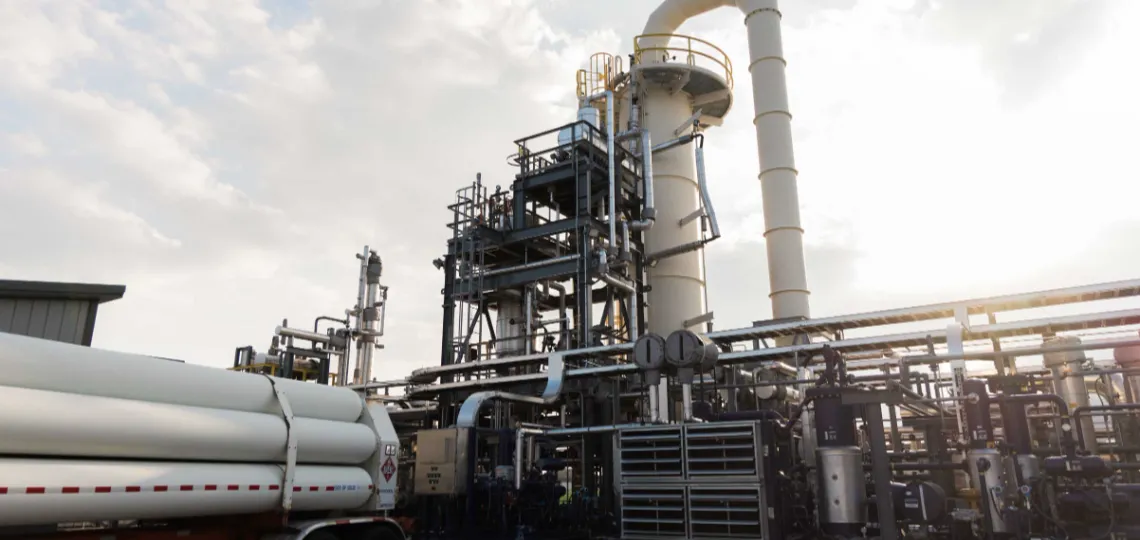
HYCO1, PETROS and PJ Energy Services Partner to Develop CO₂ Utilization in Sarawak
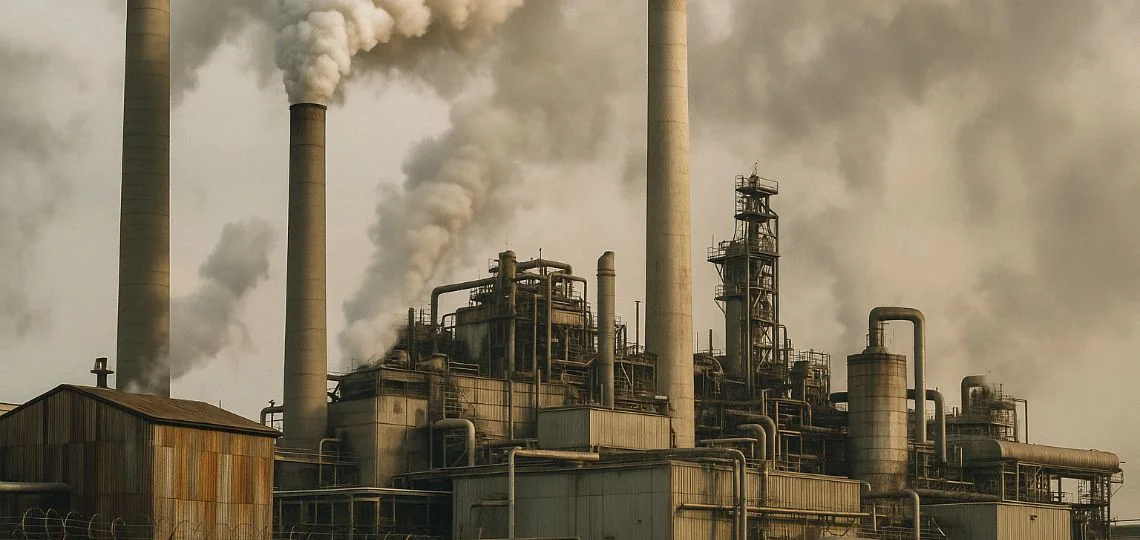
Three energy players sign a collaboration agreement to evaluate the conversion of CO₂ emissions into industrial products in Malaysia. The partnership targets the development of low
European Carbon Market: 52 Million Allowances Withdrawn from Auctions in 2026
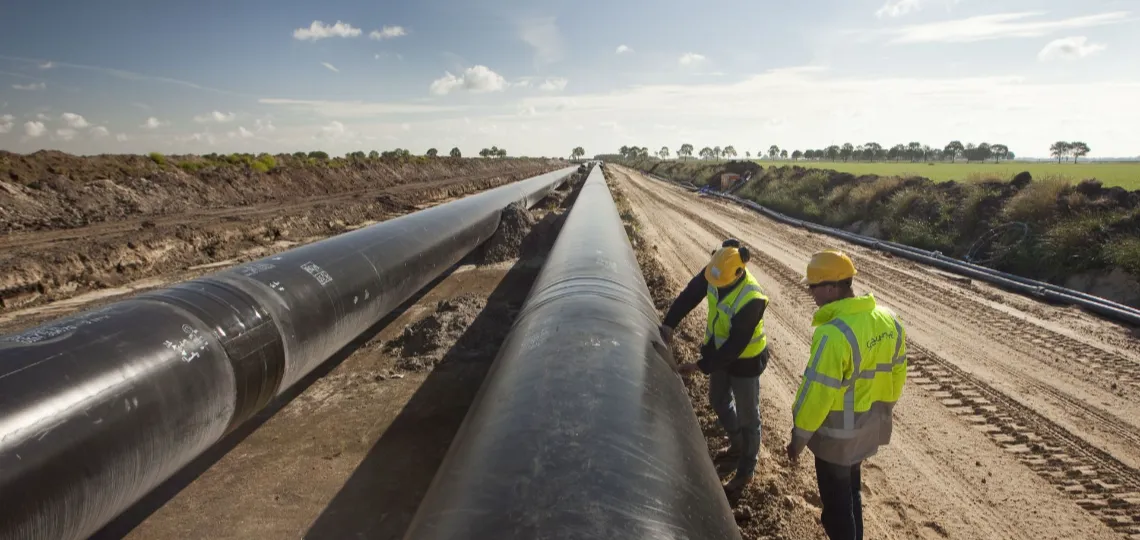
Gasunie awards €2.5bn in contracts for new gas pipelines in Europe

France opens final consultation phase for 2050 low-carbon strategy

Germany locks in food-based biofuels and restructures carbon quota system
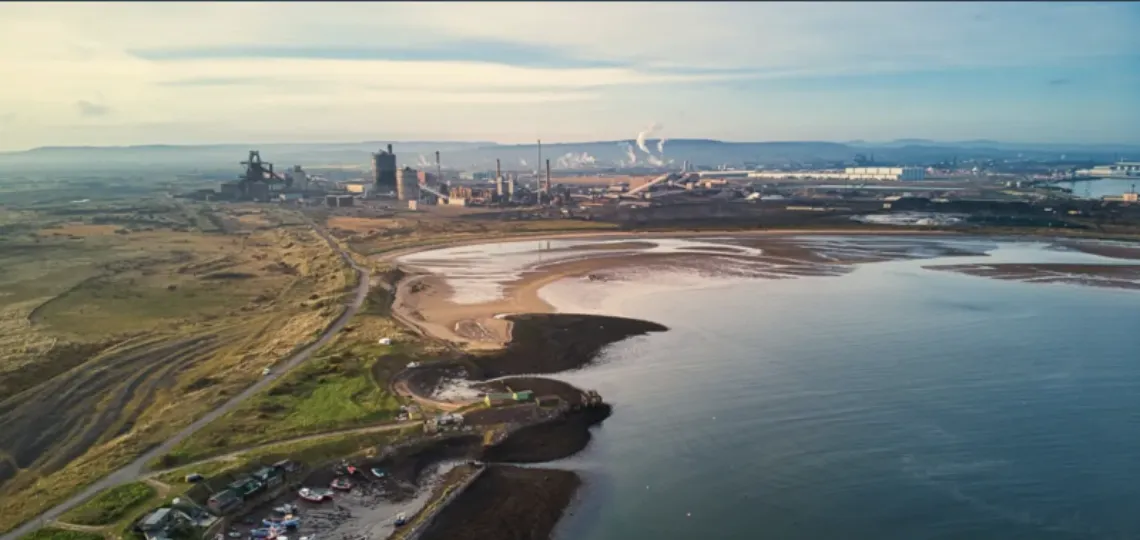
Fossil fuel divisions block adoption of major UN report
A key scientific report by the United Nations Environment Programme failed to gain state approval due to deep divisions over fossil fuels and other sensitive issues.
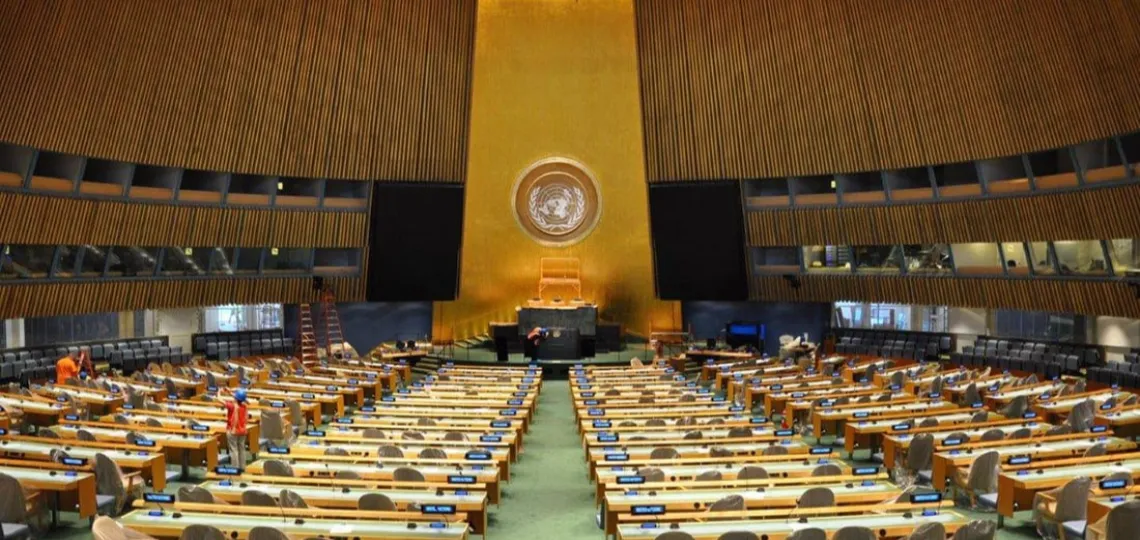
JERA and Newlab partner to scale up industrial testing of CO₂ capture technologies
Japan’s JERA has entered a strategic partnership with Newlab in New Orleans to fast-track the commercialisation of carbon capture solutions for power generation facilities.

Carbonova raises C$5.1mn to launch industrial nanofibre demonstrator in Calgary
The Canadian start-up has secured financing to complete a C$13.6mn project aimed at converting captured CO₂ and natural gas into high-value carbon nanofibres.
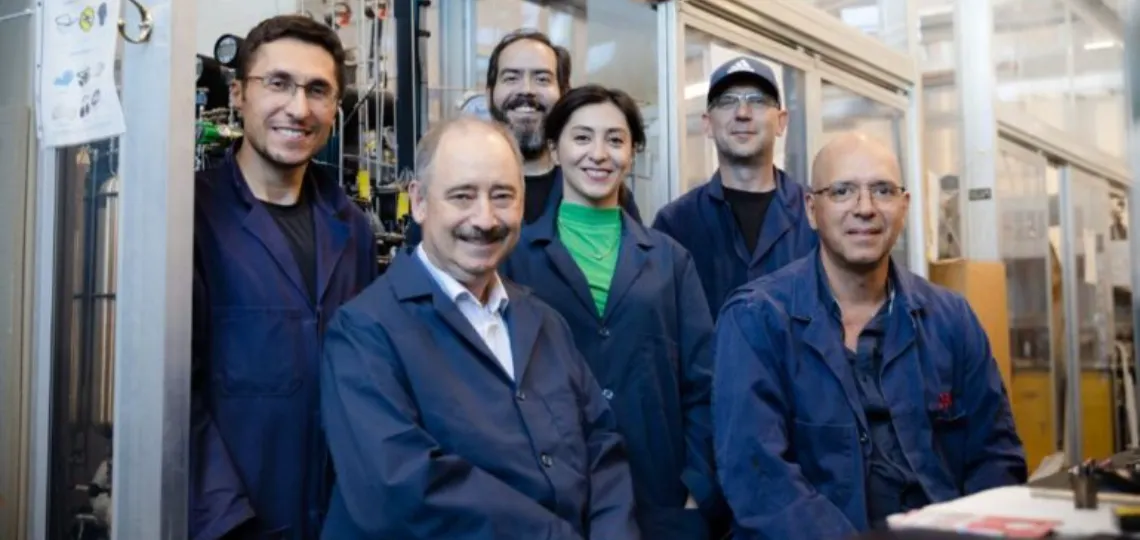
EDP signs PPA with Carrefour for 50 GWh of energy in Poland
EDP will supply 30% of Carrefour Polska’s energy needs through a PPA combining solar and wind, marking a step forward in the development of renewable capacity in Poland.

The European Union approves 235 energy interconnection projects through 2040
Brussels validates a new list of 235 PCI/PMI infrastructure projects, prioritising electricity, hydrogen and CO₂ corridors, while locking in access conditions to European funding t
Thyssenkrupp to cut 11,000 jobs ahead of potential steel unit sale to Jindal
German steelmaker Thyssenkrupp plans to cut 11,000 jobs and reduce capacity by 25% as a condition to enable the sale of its steel division to India’s Jindal Steel.
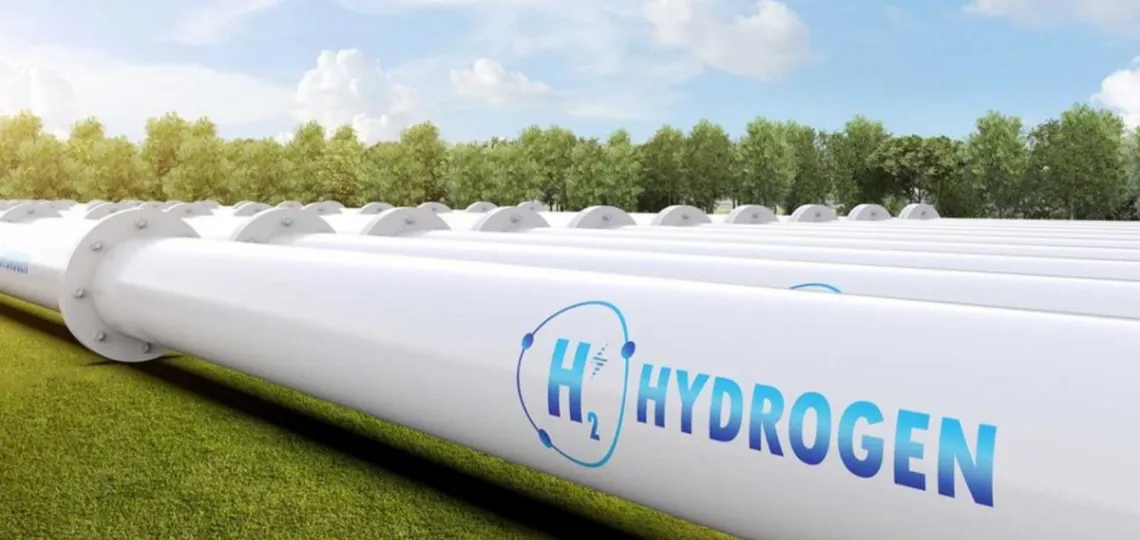
Snam secures Africa-Europe axis with SoutH2 and Callisto backed by the EU
Snam strengthens its position in hydrogen and CO₂ infrastructure with EU-backed SoutH2 corridor and Ravenna hub, both included in the 2025 list of strategic priorities for the Euro
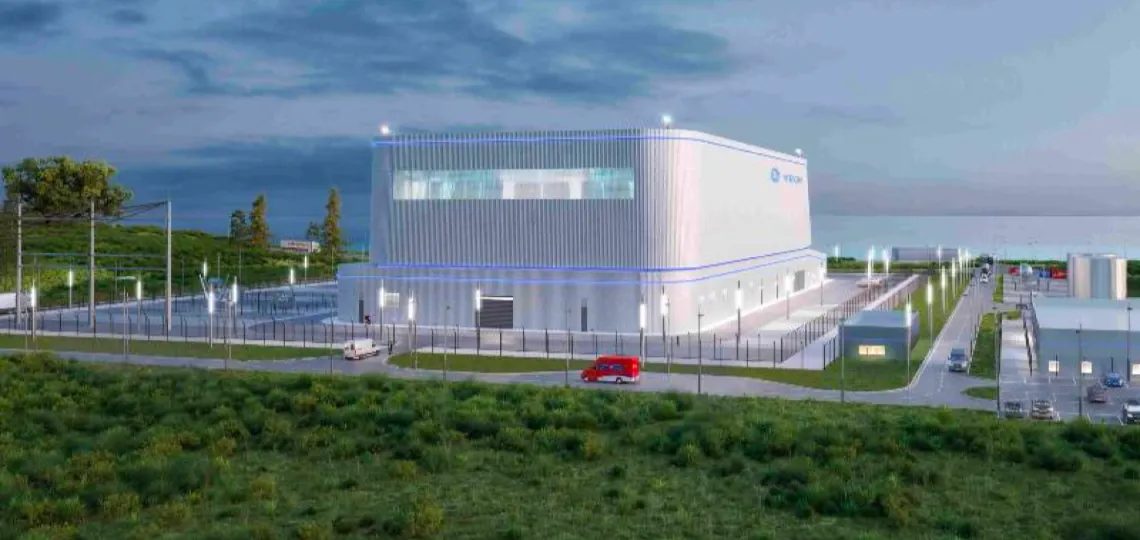
Canada and Alberta agree on joint nuclear strategy by 2027
Ottawa and Edmonton commit to a nuclear production roadmap by 2050, through a memorandum of understanding also covering carbon capture and an Indigenous-led pipeline project.
Quebec maintains sole carbon price at the pump despite federal tax repeal
Quebec becomes the only Canadian province where a carbon price still applies directly to fuels, as Ottawa eliminated the public-facing carbon tax in April 2025.

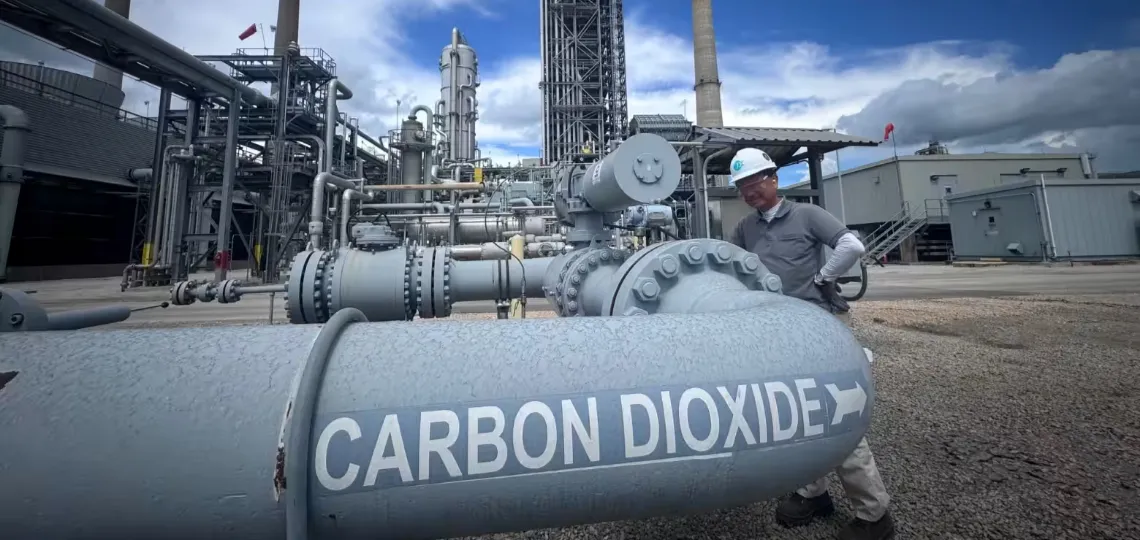
Carbon capture technologies emerge as industrial lever by 2035
CO₂ removal techniques are moving from lab-scale to national and corporate strategies, but their development remains constrained without a clear legal framework and targeted incent
Funds shift from natural gas to EU carbon allowances
Amid an expected LNG surplus from 2026, investors are reallocating positions toward the EU carbon market, betting on tighter supply and a bullish price trajectory.

Asian Development Bank opens nuclear energy financing to developing countries
Asian Development Bank has amended its energy policy to enable funding for civil nuclear projects in developing member countries across the Asia-Pacific region.

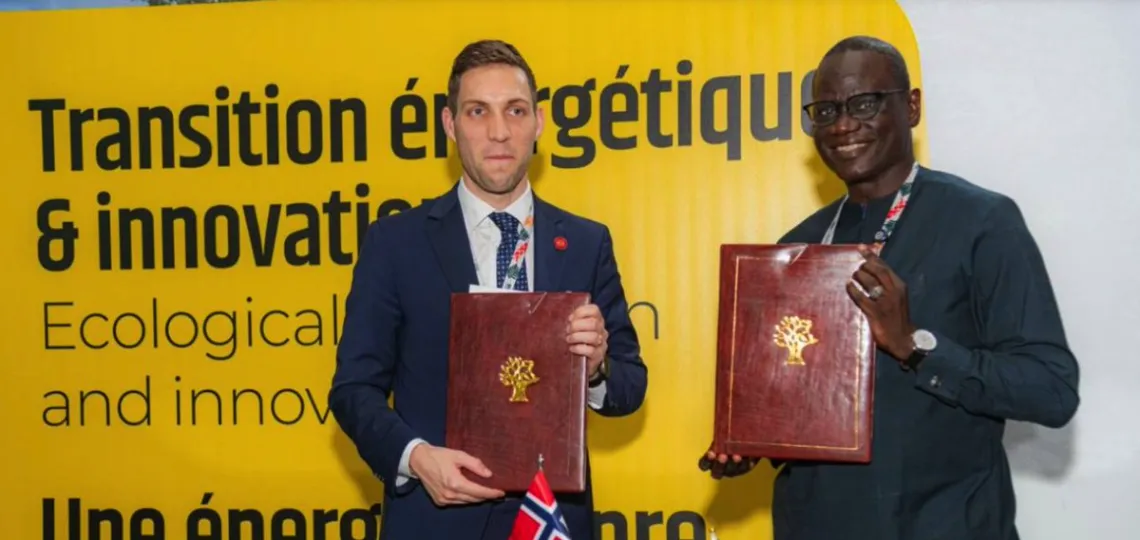
Senegal and Norway sign deal to activate Article 6 carbon market mechanisms
Norway plans up to $740mn to fund verified emission reductions, supporting Senegal’s entry into cooperation frameworks under the Paris Agreement.
UK and FirstRand mobilise $150mn to accelerate Africa’s energy transition
British International Investment and FirstRand partner to finance the decarbonisation of African companies through a facility focused on supporting high-emission sectors.
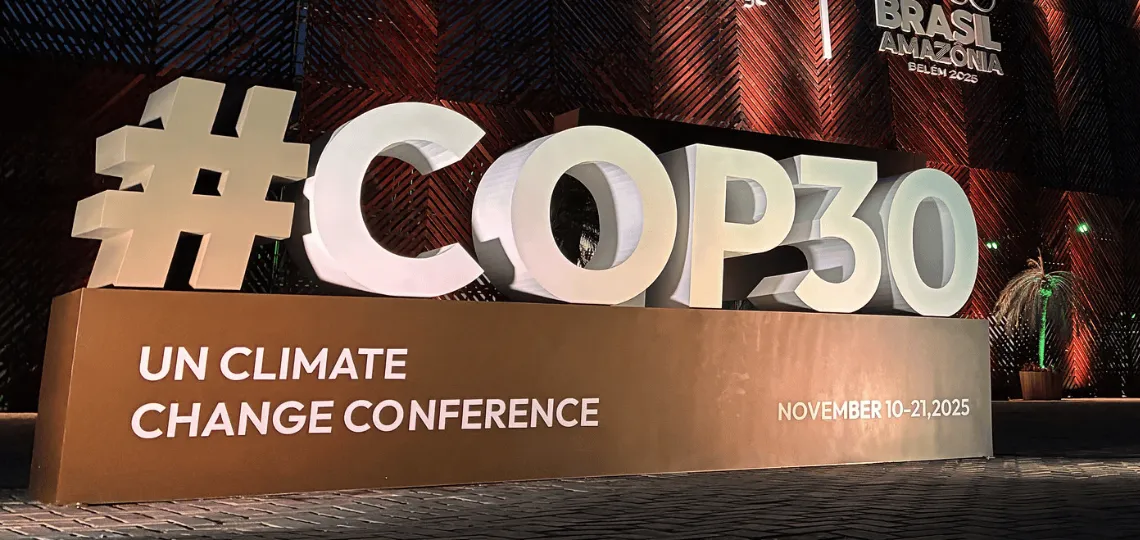
Major US companies increase their presence at COP30 despite Washington
Sixty Fortune 100 companies are attending COP30, illustrating a growing disconnect between federal US policy and corporate strategies facing international climate regulations.