COP29: Public Funding from Wealthy Countries at the “Heart” of the Global Agreement Expected, UN Climate Press
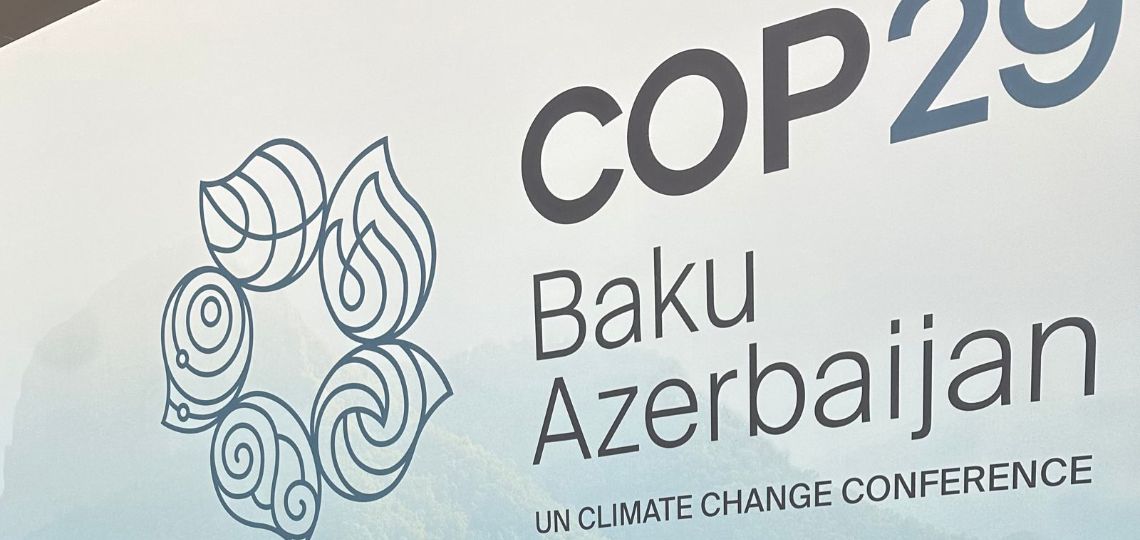
At COP29 in Baku, discussions focus on the importance of public financing from developed nations to achieve global climate objectives, according to Simon Stiell, Executive Secretary of UN Climate.
| Countries | Chine, France, Corée du Sud, États-Unis |
|---|---|
| Companies | Banque Mondiale, Fonds monétaire international |
| Sector | Carbone, Marché carbone |
| Theme | Politique & Géopolitique, Diplomatie |
The new global climate finance framework, a central topic at COP29 in Baku, highlights the need for strong public financial support from developed countries. Simon Stiell, Executive Secretary of the United Nations Framework Convention on Climate Change (UNFCCC), emphasized the importance of this public funding during his speeches.
Objectives and Debates at COP29
COP29, scheduled from November 11 to 22, aims to establish a “New Quantified Collective Goal” (NQCG) for climate finance. This new goal is intended to replace the 2009 target, which called for wealthy nations to provide $100 billion annually to developing countries, a target that was barely met by 2022. Current discussions are focused on the amount of the new package, what it will include, and potential contributors.
Position of Developed Countries
Developed countries insist on the limitation of their budgetary resources, asserting that public financing will only be a portion of the total needed. They also propose including private financing and expanding the contributor base to nations like China and South Korea, which currently have the financial means to participate.
Requirements for Accessible Financing
Simon Stiell emphasized the necessity for public funding to be primarily in the form of grants or concessional loans, making these funds more accessible to developing countries. He also reminded that the 2015 Paris Agreement required developed countries to mobilize diverse financial resources to support climate action.
Impact on Financial Institutions
Stiell called on the World Bank and the International Monetary Fund (IMF) to send clear signals during their upcoming annual meetings. The goal is to ensure that developing countries have the necessary funds for climate actions and investments, thereby avoiding devastating debts and astronomical capital costs.
Perspectives and Challenges
Negotiations in Baku will be crucial in determining the future trajectory of climate finance. The ability of developed countries to mobilize sufficient public funds and include new contributors will determine the effectiveness of global efforts to combat climate change.