Eight Baltic Electricity Operators Plan 13 GW of Interconnections and 50 GW of Offshore Wind by 2040
Transmission system operators from eight countries bordering the Baltic Sea publish a joint study on offshore infrastructure. The document identifies a potential for 13 GW of interconnections and up to 50 GW of additional offshore wind by 2040.
| Countries cited | Allemagne, Danemark, Finlande, Pologne, Suède |
|---|---|
| Companies cited | 50Hertz, Energinet, Fingrid, Svenska Kraftnät |
| Sector | Éolien, Hydrogène |
| Theme | Développement de projets / Général |
| Energy Plan | — |
The Transmission System Operators (TSOs) of Denmark, Estonia, Finland, Germany, Latvia, Lithuania, Poland and Sweden have published a regional study on offshore grid infrastructure and offshore wind. This document, presented as the first of its kind at the Baltic Sea scale, falls under the Baltic Offshore Grid Initiative (BOGI). The study covers a time horizon extending to 2040.
A Potential of 50 GW of Offshore Wind Identified
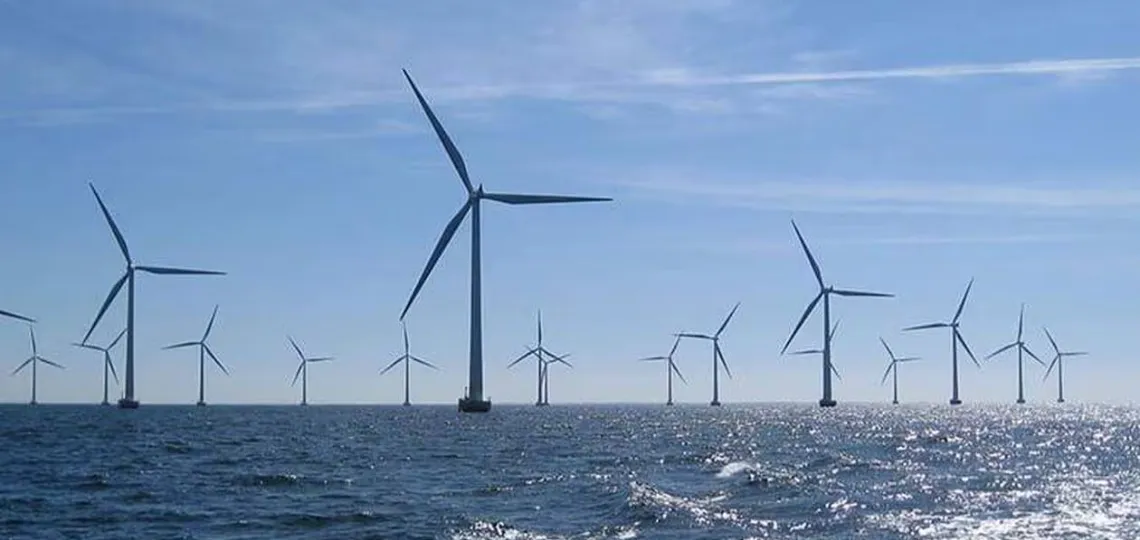
According to the published results, the Baltic region could host around 13 GW of new cross-border interconnectors and up to 50 GW of additional offshore wind capacity by 2040. These connections would include point-to-point links between countries as well as strategic offshore nodes. The island of Bornholm is cited as a potential future hybrid hub. Market modelling would indicate that these interconnectors would operate with high utilisation throughout the year.
The study builds on the latest national development plans and the European Ten-Year Network Development Plan (TYNDP) framework. It aims to provide a common analytical basis for joint decision-making and alignment of national planning processes. The operators also highlight the role of sector coupling: offshore wind would not only supply electricity directly to consumers but also feed a growing hydrogen system.
The Baltic Sea as a Net Electricity Exporter
According to the study, the Baltic Sea is expected to act as a net exporter of electricity to the rest of Europe. Dedicated sensitivity analyses examine the influence of different parameters on infrastructure needs: electricity and hydrogen demand evolution, availability of onshore renewable sources or investment costs. While the scale of offshore wind and hydrogen production shifts strongly across scenarios, interconnector projects would remain robust, according to the study authors.
The publication comes a few days before the North Sea Summit in Hamburg. The eight TSOs involved are 50Hertz for Germany, AST for Latvia, Elering for Estonia, Energinet for Denmark, Fingrid for Finland, Litgrid for Lithuania, PSE for Poland and Svenska kraftnät for Sweden. This regional initiative positions itself as a methodological model for other European sea basins.