France allocates €62.2 million to decarbonize the maritime transport sector
The French government launches a €62.2 million call for projects to reduce the maritime sector's reliance on fossil fuels, funded by the European carbon tax and managed by Ademe.
| Sectors | Alternative Fuels, Marine Fuel |
|---|---|
| Themes | Investments & Transactions, Grants & Subsidies |
| Countries | France |
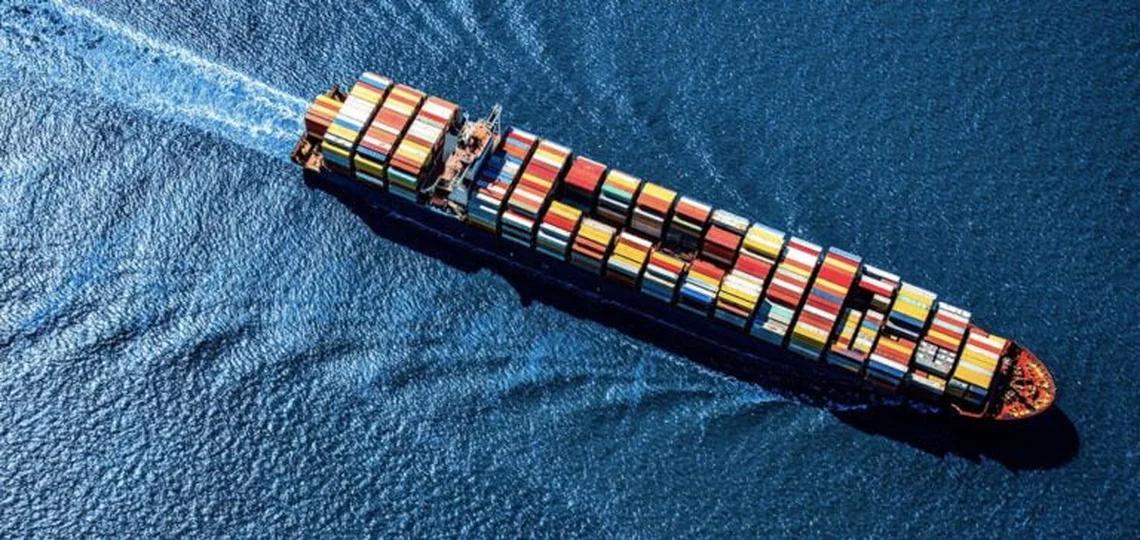
The French government announced the launch of a €62.2 million call for projects to accelerate the exit from fossil fuels in maritime transport. The program, managed by the Environment and Energy Management Agency (Ademe), targets a sector responsible for "nearly 3% of greenhouse gas (GHG) emissions in Europe," according to the government statement. The announced envelope falls below the €70 million figure mentioned in early February at the Euromaritime trade show. The measure was presented in a joint statement by ministers Philippe Tabarot (Transport), Catherine Chabaud (Sea and Fishing) and Sébastien Martin (Industry).
Funding drawn from the European carbon tax
The program is funded through an earmarking of the European carbon tax paid by shipowners under the EU Emissions Trading System (EU ETS). The decision to redirect these revenues was agreed during an interministerial sea committee held last May. Maritime decarbonization is part of a broader political dynamic, as climate issues increasingly shape agendas across the continent, as illustrated by the weight of climate in Denmark's electoral debates.
The call for projects covers a broad spectrum of investments. Eligible activities include energy improvements to existing vessels through "innovative on-board equipment and solutions," as well as the acquisition of zero-emission or more energy-efficient new ships. Strengthening European industrial production capacities is also eligible, through the creation or expansion of shipyards, factories and new production lines for decarbonation equipment. Investments in port infrastructure are also included.
A broad maritime ecosystem mobilized
Potential beneficiaries include ship owners, shipping companies, charterers, shipyards, equipment manufacturers, maritime ports, terminal operators, bunkering operators and alternative fuel distributors. This broad scope reflects the intention to mobilize the entire sector's value chain. Catherine Chabaud stated in February that the measure was not about "giving gifts to the sector," but rather supporting "a decarbonization dynamic that is underway."