The EU Rules Out Canadian Fossil Fuels for 2050 Climate Neutrality
Bruxelles affirme donner la priorité aux énergies renouvelables et au nucléaire pour atteindre la neutralité climatique en 2050. Les exportateurs canadiens d'hydrocarbures peinent à trouver un débouché européen dans ce contexte.
| Energy Plan | — |
|---|
The European Union (EU) has no intention of making Canadian fossil fuels a cornerstone of its energy policy. Belén Martínez Carbonell, Secretary General of the European External Action Service (EEAS), the EU's diplomatic corps, confirmed this direction at a press conference in Ottawa on February 27. The European priority remains clean energy sources, as part of the bloc's objective to achieve climate neutrality by 2050.
Over 70% Clean Electricity: Europe's Climate Course
The EU derives over 70% of its electricity from renewable energy and nuclear power, according to data provided by the diplomat. 'Our policy is to prioritize clean energy sources, as we are on track to reach our 2050 targets,' Martínez Carbonell stated. Brussels positions itself as the 'first climate-neutral continent in the world,' an ambition that directly shapes its energy supply choices.
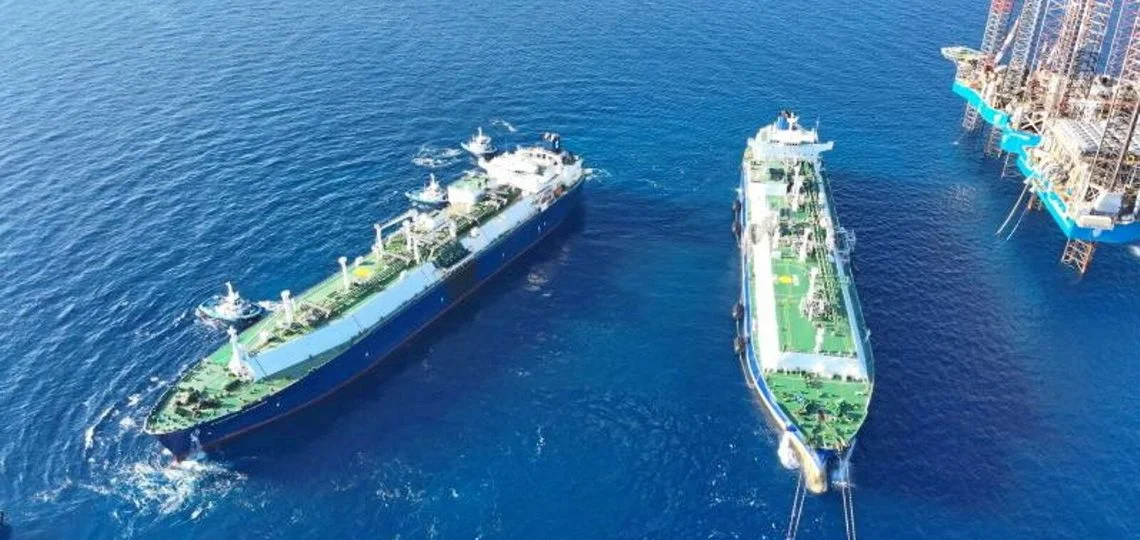
Since Russia's invasion of Ukraine in 2022, Europe has massively imported liquefied natural gas (LNG) from the United States to offset Russian volumes. This increased reliance on fossil fuels creates direct tension with the bloc's climate objectives. The equation between short-term supply security and structural decarbonization remains unresolved.
Canada Facing Global Hydrocarbon Oversupply
Canada is seeking new markets for its hydrocarbons amid global oversupply. Alberta presented a budget revealing a CAD 7.5 billion drop in oil sands royalties, a consequence of low oil prices. Trade relations with the United States, Canada's primary trading partner, remain marked by uncertainty following Donald Trump's election to the U.S. presidency.
Ottawa is pursuing export diversification beyond traditional markets. China has signaled increased interest in Canadian energy amid tensions with Washington. India has also indicated its willingness to import Canadian oil and gas, according to statements made during Prime Minister Mark Carney's visit to the country.
Europe's Carbon Mechanism at the Heart of Trade Negotiations
The January implementation of the EU's Carbon Border Adjustment Mechanism (CBAM) complicates bilateral trade. This mechanism imposes a tax on imports of carbon-intensive products, including steel and cement. The compatibility of Canada's carbon pricing system with European requirements is now central to discussions between Ottawa and Brussels.
Discussions took place between Carney and Ursula von der Leyen, President of the European Commission, to assess how Canada's carbon price would be factored into the CBAM. 'There are discussions to account for this and adjust the price,' stated Geneviève Tuts, EU Ambassador to Canada. Carney removed the carbon tax applied to households before striking an agreement with Alberta allowing greater flexibility in the application of the provincial pricing system.