The Czech Republic aims for 68% nuclear electricity by 2040
The new Czech energy plan projects a rise to 68% nuclear electricity by 2040, alongside a boost in renewables to meet the European Union’s climate targets.
| Countries | Tchéquie |
|---|---|
| Companies | CEZ |
| Sector | Énergie Solaire, Énergie Nucléaire, Énergie Éolienne, Terrestre, Photovoltaïque, Fission |
| Theme | Régulation & Gouvernance, Politique publique |
The Czech government has submitted its updated National Energy and Climate Plan to the European Commission, emphasizing a significant increase in nuclear and renewable energy capacities. Developed by the Ministry of Industry and Trade in collaboration with the Ministry of the Environment, this strategic document provides a framework to meet European decarbonization goals while ensuring economic competitiveness and energy security.
Strengthening nuclear energy
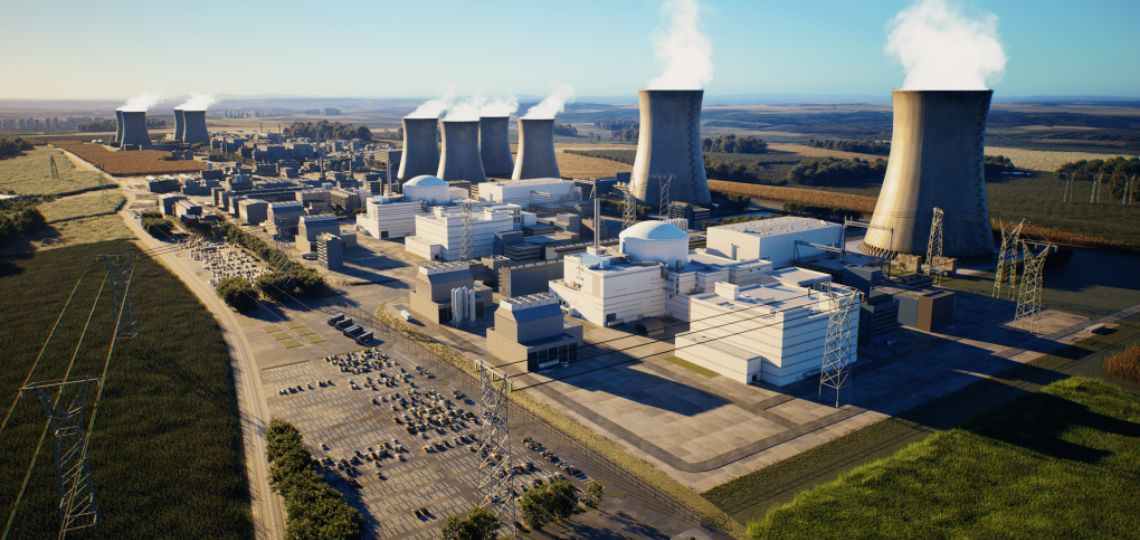
The Czech Republic, currently deriving one-third of its electricity from nuclear power, plans to increase this share to 44% by 2030 and 68% by 2040. This expansion includes the construction of four new large-scale production units and the addition of small modular reactors with a total estimated capacity of 3 GW. These projects aim to enhance energy sovereignty and reduce dependency on fossil fuel imports.
Growth of renewable energy
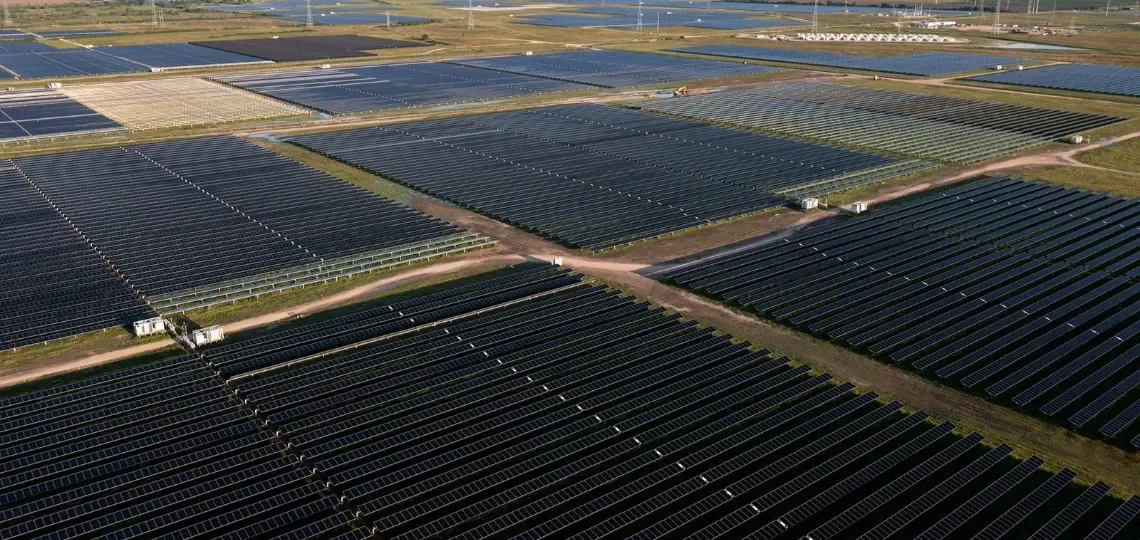
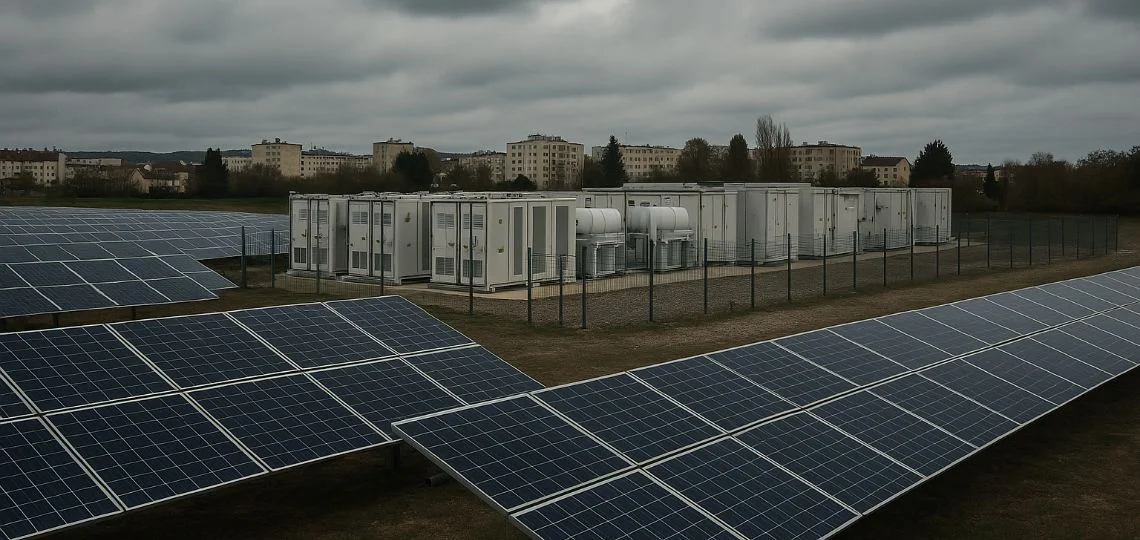
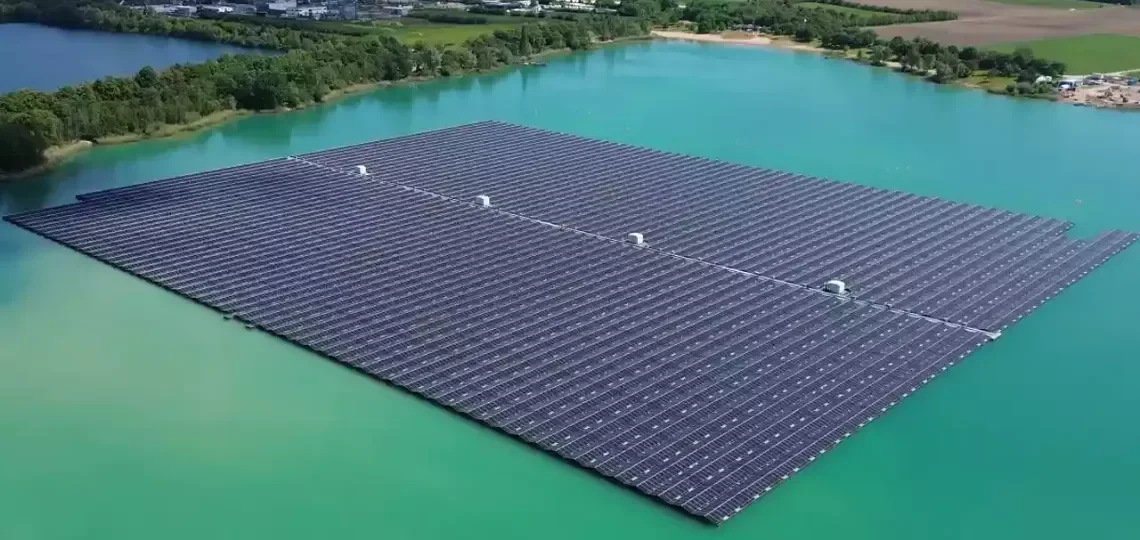
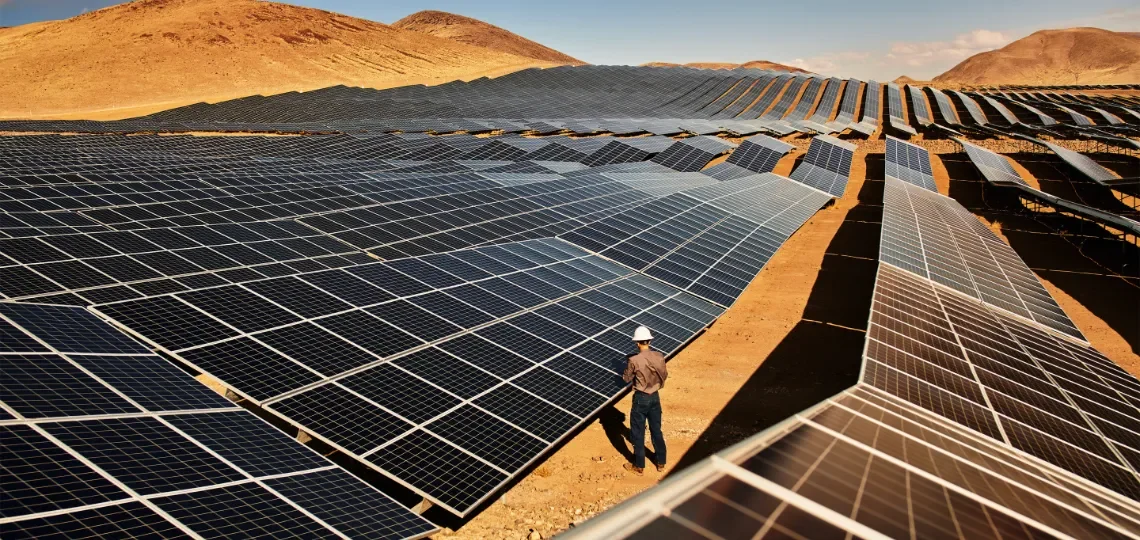
In addition to nuclear power, the country is focusing on significantly expanding renewable energy, increasing its share in electricity production from 16.5% in 2023 to 28% by 2030 and 46% by 2050. This strategy includes substantial developments in solar and wind energy, as well as storage solutions to address intermittency.
Minister of Industry and Trade Lukáš Vlček emphasized the importance of a balanced energy transition: “We have devised a realistic and cost-effective plan that ensures secure supply while meeting European Union expectations.”
Energy transition and reduction of fossil fuels
In its effort to decrease reliance on coal and gas, the Czech Republic plans to completely phase out coal extraction and usage by 2033. Natural gas, considered a transitional resource, will be gradually replaced by renewable and low-emission gases, including hydrogen.
Economic perspectives
The plan is not limited to energy transition but also aims to positively impact the national economy. Projections suggest a potential two-percentage-point GDP increase driven by investments in energy infrastructure, innovative technologies, and energy efficiency.
Minister of the Environment Petr Hladik stated: “This plan provides a clear and strategic vision that supports private-sector actors in their long-term investment decisions.”