European Union sanctions 189 new Russian tankers used clandestinely
The European Union has expanded its measures against Russia by targeting nearly 200 new vessels illegally transporting oil, as part of its 17th sanctions package.
| Countries | Russie |
|---|---|
| Companies | Union Européenne |
| Sector | Pétrole |
| Theme | Politique & Géopolitique, Sanctions |
The European Union has officially adopted a 17th round of sanctions against the Russian Federation, adding 189 additional vessels to the list of its so-called “shadow fleet” of oil tankers. The announcement was made by the High Representative of the Union for Foreign Affairs and Security Policy, Kaja Kallas, during a ministerial meeting in Brussels.
342 tankers sanctioned since the beginning of the conflict
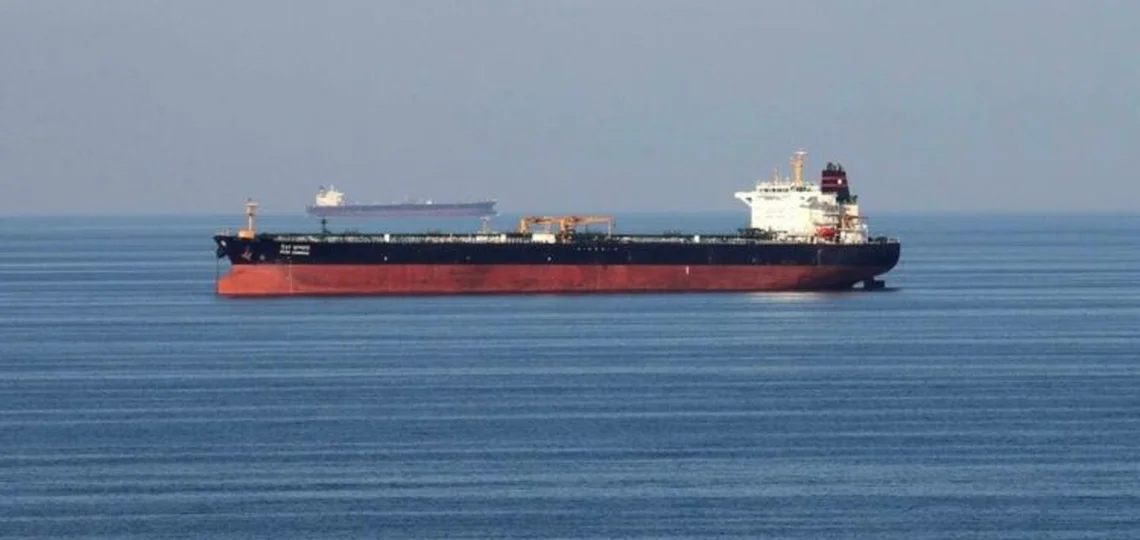
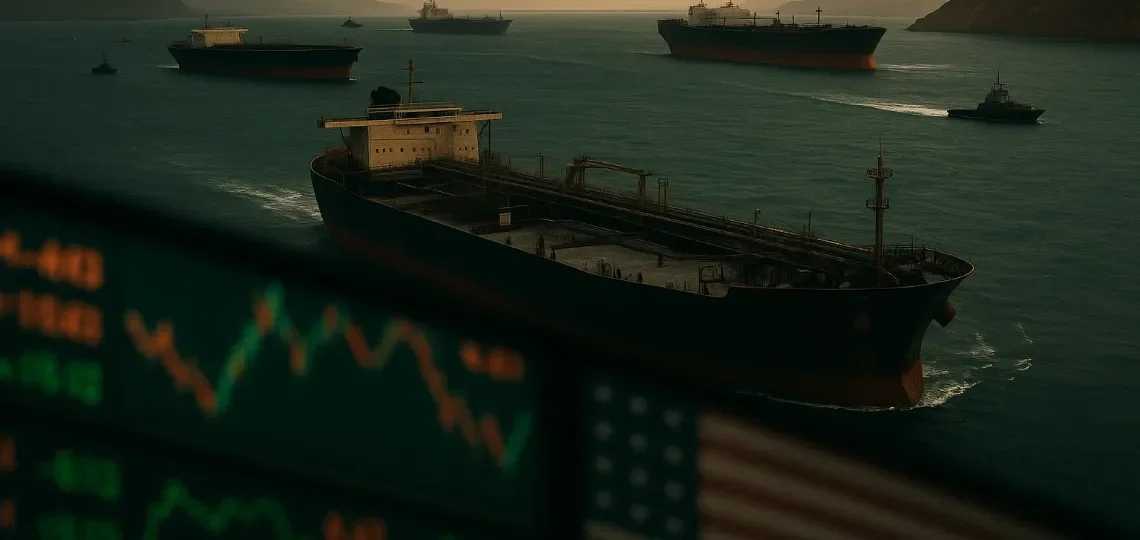
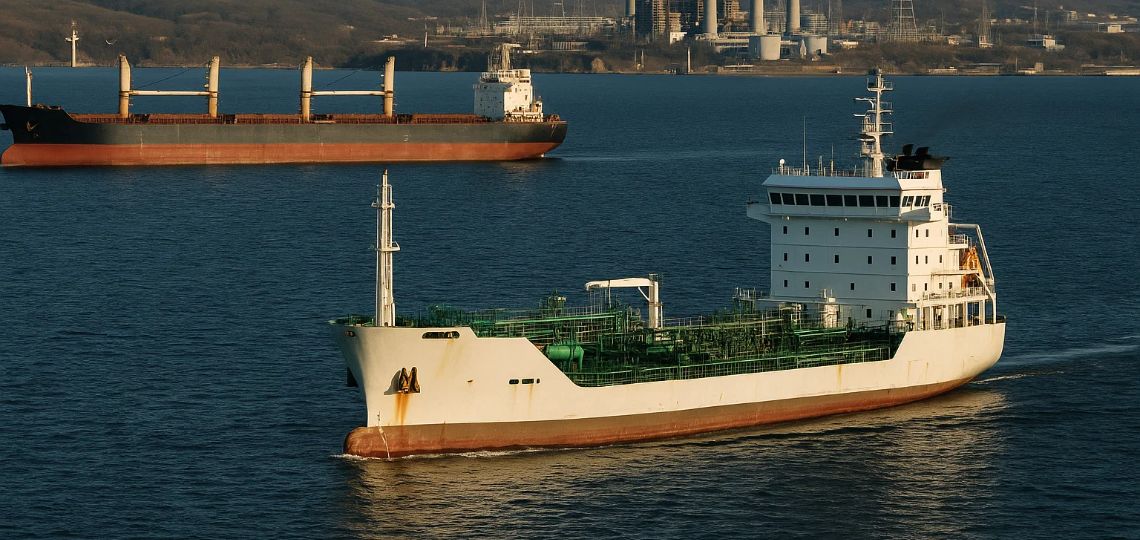
These ships, mostly unregistered and operating under opaque conditions, are used to transport Russian oil while bypassing existing restrictions. Since the implementation of the first economic measures against Moscow following the invasion of Ukraine, their number has grown significantly. The official communiqué states that 342 vessels are now targeted by EU sanctions.
According to Estonian Minister of Defence Hanno Pevkur, up to 500 tankers may be part of this parallel fleet. “The Union still has room to expand these measures,” he stated during a press conference in Brussels. Most of these ships are active in the Baltic Sea, where they operate by concealing their positions and sailing without international certification.
Logistics networks also targeted
In addition to the vessels, the 17th package also includes sanctions against around 30 entities identified for their role in facilitating these maritime operations. These organisations are accused of enabling the transport or sale of oil in violation of existing embargoes. The new measures include asset freezes and restrictions on commercial operations within the EU.
Discussions among member states are ongoing regarding an 18th set of sanctions, which is expected to include newly identified tankers. The initiative is supported by several EU capitals seeking to increase economic pressure on Russia while maintaining the coherence of current measures.
First EU sanctions targeting hybrid operations
The European Union has also imposed, for the first time, sanctions in response to so-called hybrid acts attributed to Russia. Twenty-one individuals and six entities have been targeted for their alleged involvement in criminal arson, attacks on infrastructure or attempts to harm European public figures.
These measures come in addition to those that could be considered if Moscow continues to reject the 30-day ceasefire proposed by Kyiv and supported by several Western partners.