Northern Lights to invest €660 mn to triple annual CO2 storage capacity
Norwegian joint venture Northern Lights, backed by Equinor, Shell and TotalEnergies, will invest NOK7.5bn to expand its CO2 storage infrastructure following a new industrial contract signed in Sweden.
| Sector | Carbone, Stockage géologique |
|---|---|
| Theme | Investissements & Transactions, Partenariats commerciaux |
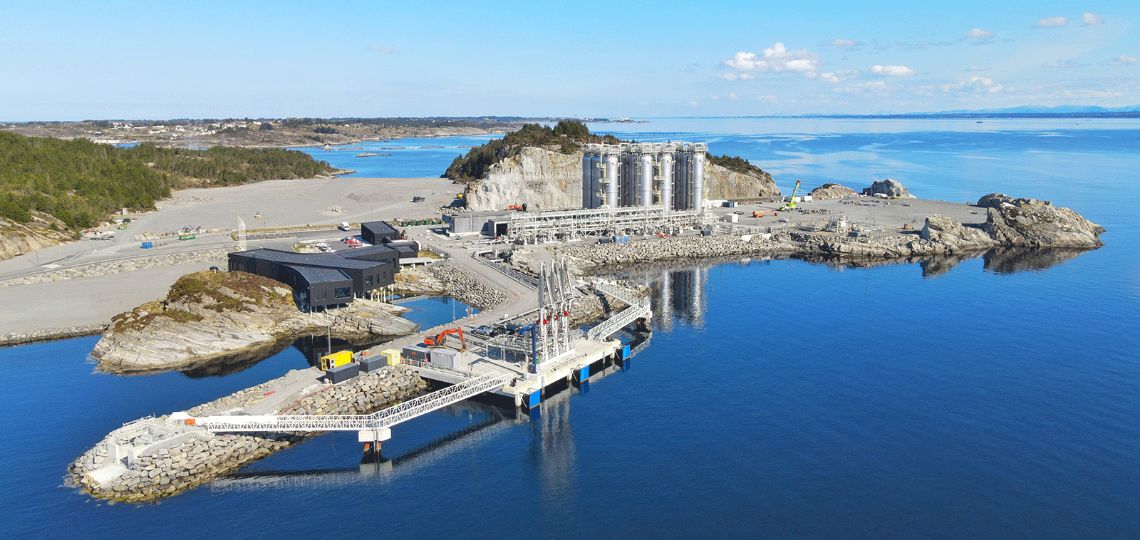
The Northern Lights project, located off the Norwegian coast, will increase its annual capacity for subsea carbon dioxide (CO2) storage from 1.5 to 5 million tonnes. The announcement was made on 27 March by the joint venture comprising Equinor ASA, Shell PLC and TotalEnergies SE, which has committed NOK7.5bn (€660 mn), including €131 mn in funding from the European Commission.
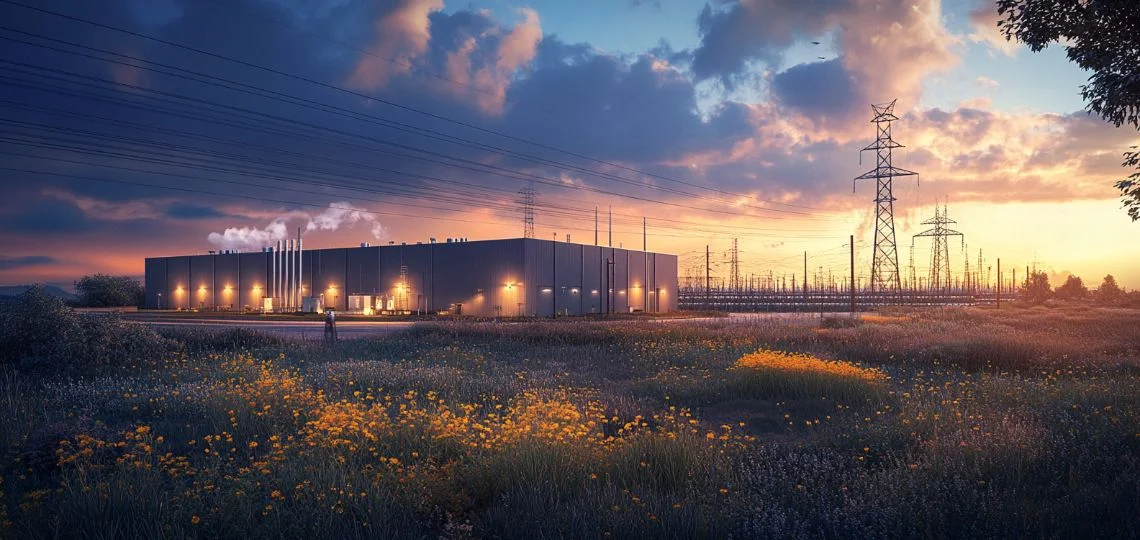
Originally designed to handle 1.5 million tonnes of CO2 per year, the site operates at a depth of 2,600 metres in a saline aquifer 110 kilometres offshore, near Bergen. The second phase of expansion, scheduled for completion in the second half of 2028, is conditional upon confirmed demand from European industry players.
Industrial partnership with Swedish power plant
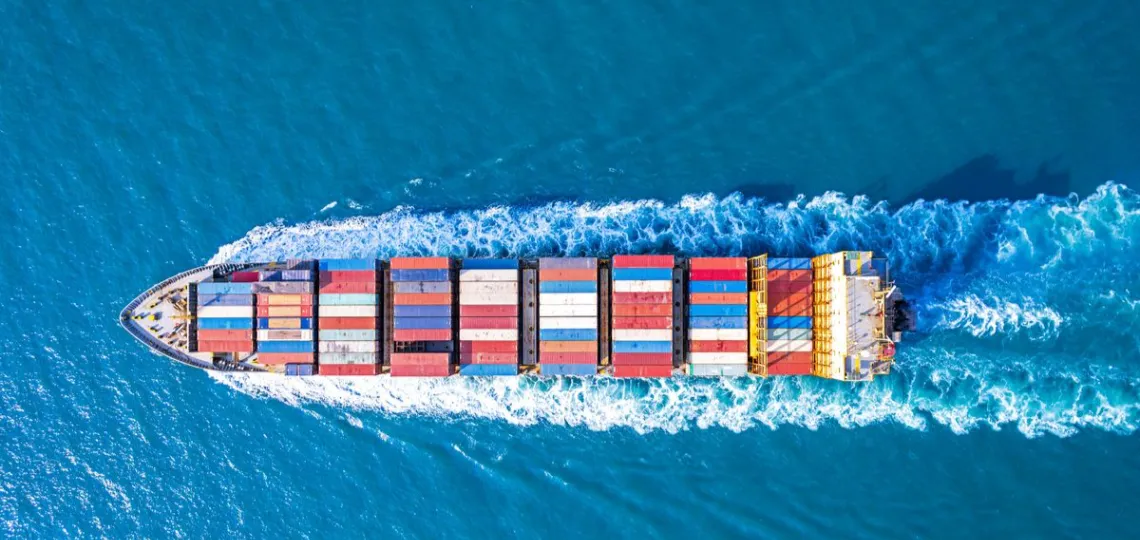
The joint venture has signed a contract with Stockholm Exergi AB, a Swedish thermal and power generation company, to transport and store up to 900,000 tonnes of CO2 annually. This CO2 will be captured from its biomass-powered plant in Stockholm and transported in liquefied form to the west coast of Norway.
The technical process involves shipping the CO2 to a land-based facility near Bergen, from where it is injected via a pipeline system into the subsea geological formation. This agreement expands the project’s industrial base, which until now had been limited to Norwegian sources.
Industry reference data
According to figures published by the International Energy Agency (IEA), the current global CO2 capture capacity stands at 50.5 million tonnes per year, equivalent to approximately 0.1% of annual global emissions. The development of infrastructure such as Northern Lights aligns with ongoing efforts to structure a cross-border logistics chain for CO2 transport and storage in Europe.