PetroChina Ships Chinese Crude to Singapore to Cover Iranian Supply Shortfalls
The war in Iran is disrupting oil supplies across Asia. PetroChina ships crude from China to Singapore while Coal India records its first sales increase in six months.
| Sectors | Oil, Refining, Coal |
|---|---|
| Themes | Policy & Geopolitics, Energy Security |
| Companies | PetroChina, Chevron, Coal India, Pioneer Natural Resources, Singapore Refining Co. |
| Countries | Singapore, China, India, Romania, Iran |
PetroChina shipped a rare cargo of nearly 2 million barrels of crude from its storage facilities in China to the refinery it co-owns in Singapore, seeking to fill supply shortfalls caused by the war in Iran. According to tanker trackers Vortexa and Kpler, the tanker New Merit delivered 1.8 million barrels of crude to Dalian, northeast China, in mid-March, before transporting it to Jurong Island in Singapore. According to Vortexa Analytics and another trade source, the shipment consisted of Murban crude from the UAE, in whose production PetroChina holds an equity stake. Sources declined to be identified as they were not authorized to speak to the media.
SRC Refinery Facing Supply Disruptions
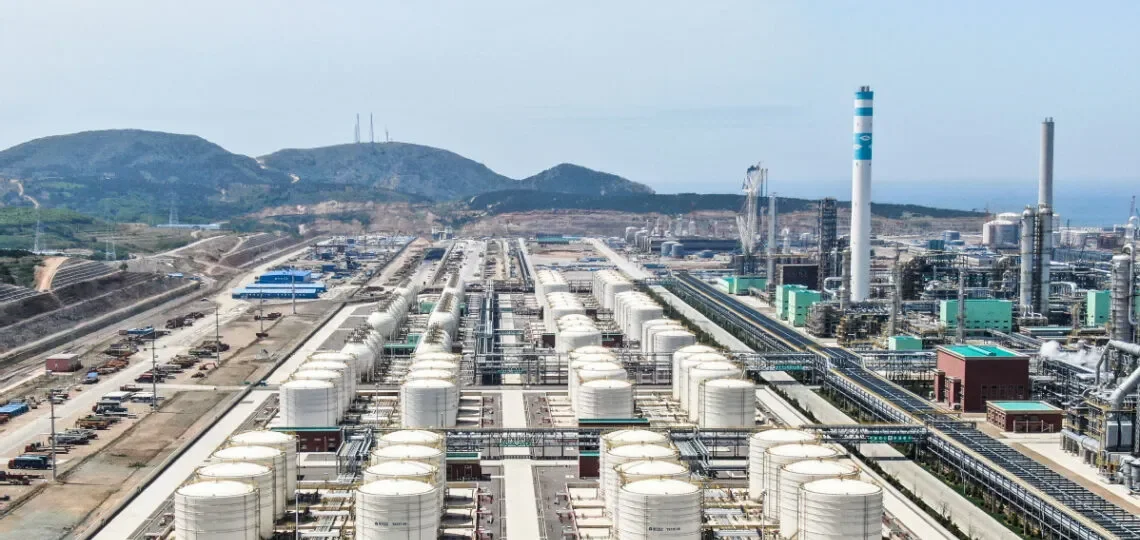
PetroChina and U.S. giant Chevron jointly operate the Singapore Refining Co. (SRC) refinery, Singapore's third refining facility with a capacity of 285,000 barrels per day, processing crude oil primarily from the Middle East. According to a source familiar with its operations, the two groups alternate quarterly in supplying crude to the plant. Since early March, the war in Iran has disrupted these deliveries: oil prices fell sharply following a 15-point US-Iran peace plan, underscoring persistent market volatility. Asian refineries, which absorb the majority of Middle Eastern oil exports, have reduced their run rates amid feedstock shortages. Globally, the crisis is pushing multiple players to find alternative solutions: Mexico is seeking private intermediaries to ship oil to Cuba.
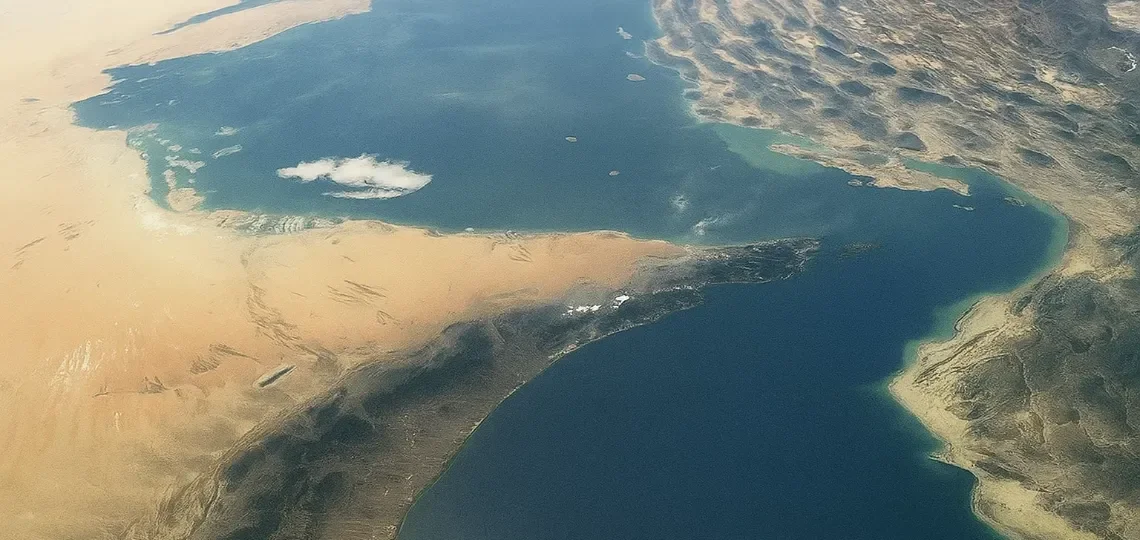
PetroChina Chairman Dai Houliang stated last week that his company can maintain normal oil and gas operations without relying on supplies transiting through the Strait of Hormuz, which has been blocked for more than a month. China very rarely exports crude oil, making this transfer particularly exceptional. PetroChina and SRC declined to comment.
Romania Maintains Budget Targets Despite Uncertainty
Romania is on track to meet its budget deficit target of 6.2% of gross domestic product (GDP) this year, despite the war in Iran, according to its Finance Ministry. The country is seeking to reduce a deficit that exceeded 9% of GDP in 2024 — the highest among all European Union members — to 6.2% in 2025 and then to 3% by end of decade, in order to preserve its investment-grade credit rating. Its fiscal space remains limited to absorb the conflict's impact on energy prices and debt costs. Should the conflict last longer, assumptions would be affected, with higher inflation and less growth than projected, a government official indicated.
The governing coalition has capped fuel price markups and approved a state aid scheme to offset the rise in gasoline prices for road transport operators carrying goods and passengers, with plans to extend this to farmers. Prime Minister Ilie Bolojan announced in March a temporary reduction in fuel excise duties. The 2026 budget, approved in March, was based on a 1% economic growth assumption.
Coal India Posts First Sales Increase in Six Months
Coal India announced on Wednesday that its deliveries to clients rose 0.7% in March to 69.5 million tonnes, marking the first increase in six months. The state-owned company, which accounts for more than 80% of national coal production, recorded a provisional production decline of 1.5% to 84.5 million tonnes. Coal India is also the world's largest coal miner. This upturn reflects a build-up of stocks ahead of peak summer demand, amid a gas supply shortage stemming from the war in Iran.
Coal India's deliveries had fallen for six consecutive months following a 7.6% increase in August, fuelling stock build-up at power stations as mild temperatures dampened electricity demand in 2025. Vasudev Pamanani, director of iEnergy Natural Resources, a Gujarat-based coal trader, noted that high inventory levels kept import demand low despite the approaching summer season. Disruptions in liquefied natural gas (LNG) supply and reduced gas-based power generation are expected to increase coal dependence for electricity production. In India, where coal accounts for nearly 75% of electricity generation, gas represents less than 2% of total output, but the country consumes 8 to 10 gigawatts of gas capacity during heat waves or peak demand periods. Facing the gas shortage, India has asked its coal plants to operate at full capacity to avoid planned power outages.