Les Philippines accélèrent 1 471 MW de capacités renouvelables d'ici avril 2026
The Philippine Department of Energy is fast-tracking 22 renewable energy projects totaling 1,471 MW for commissioning by April 2026, aiming to secure national electricity supply amid rising fuel costs.
| Sectors | Solar Energy, Photovoltaic, Marine & Hydraulic Energy, Hydroelectricity |
|---|---|
| Themes | Project Development, Commissioning |
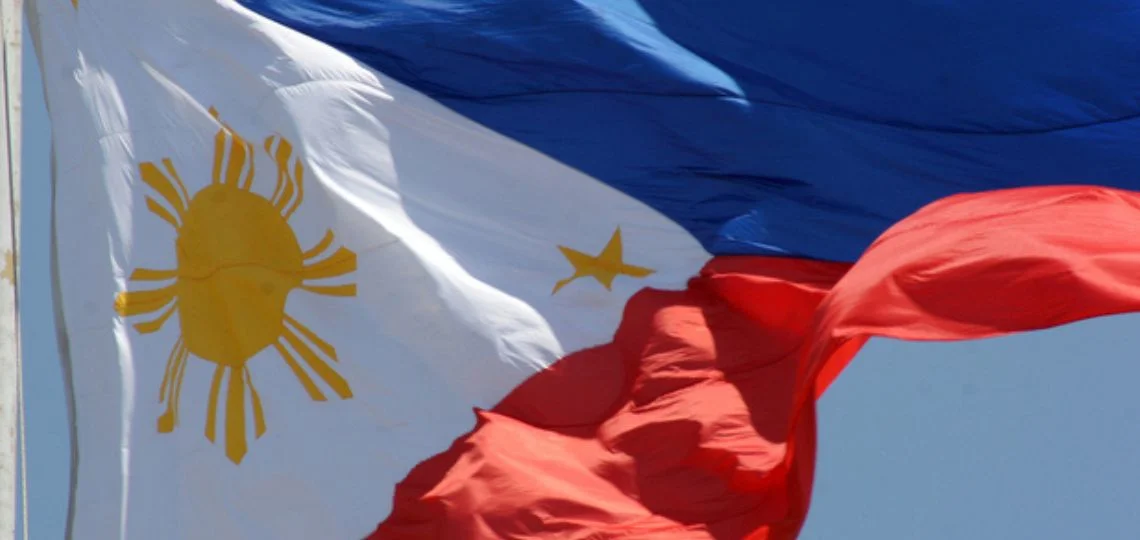
| Countries | Philippines |
The Philippine Department of Energy (DOE) has announced the accelerated commissioning of 22 electricity generation projects totaling 1,471 megawatts (MW), with an April 2026 deadline. The initiative responds to rising fuel costs and mounting pressure on global oil markets. These projects are part of a broader presidential program covering 200 power plants ordered by President Ferdinand R. Marcos Jr. over a three-year period. In this context of accelerating solar development across the archipelago, Meralco PowerGen has begun delivering 85 MW of solar power to the Luzon grid in the Philippines.
Solar photovoltaic accounts for the bulk of new capacity
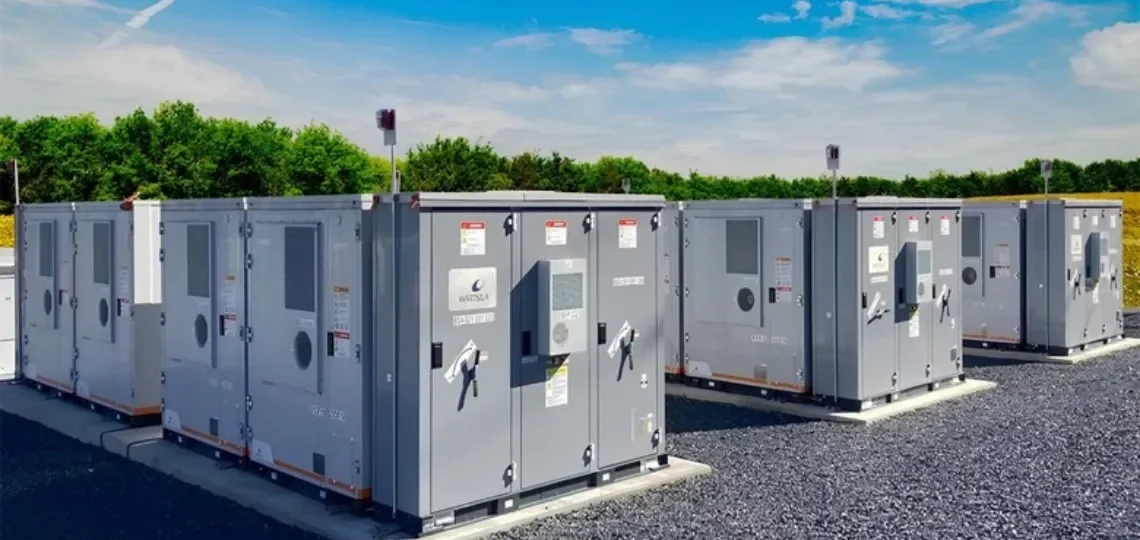
Solar dominates the portfolio with 12 photovoltaic projects totaling 1,284 MW. Six hydroelectric plants will contribute 48.23 MW, while two biomass facilities will add 38 MW. A 13.56 MW wind project and a 20 MW Integrated Renewable Energy Storage System (IRESS) complete the lineup. This technological diversification reflects Manila's intention to reduce dependence on hydrocarbon imports. Internationally, large-scale solar project financing is following a comparable trajectory, as illustrated by Doral Renewables closing financing for 430 MWac of solar capacity in Texas.
In parallel, the DOE is already monitoring 24 operational power plants representing 1,178.642 MW of installed capacity. Seven battery storage facilities with a combined capacity of 190 MW are also in operation. These volumes reflect the progress of the Philippine government's energy diversification program. The DOE indicates it intends to continue this rollout to stabilize electricity prices and manage supply risks.
Multi-institutional coordination to prevent delays
To prevent any bottlenecks, the DOE is coordinating with the National Grid Corporation of the Philippines (NGCP), the Energy Regulatory Commission (ERC), and the Independent Electricity Market Operator of the Philippines (IEMOP). These exchanges cover transmission requirements, grid interconnection, and regulatory compliance. The objective is to ensure that each project meets the technical and legal conditions before commissioning.
"Every megawatt that can be safely and lawfully brought into the grid strengthens our ability to meet demand, manage supply risks, and protect consumers," said Energy Secretary Sharon S. Garin. The DOE states it will maintain continuous monitoring of project progress to ensure the timely delivery of additional capacity.