Poland files its first construction permit application for a nuclear power plant
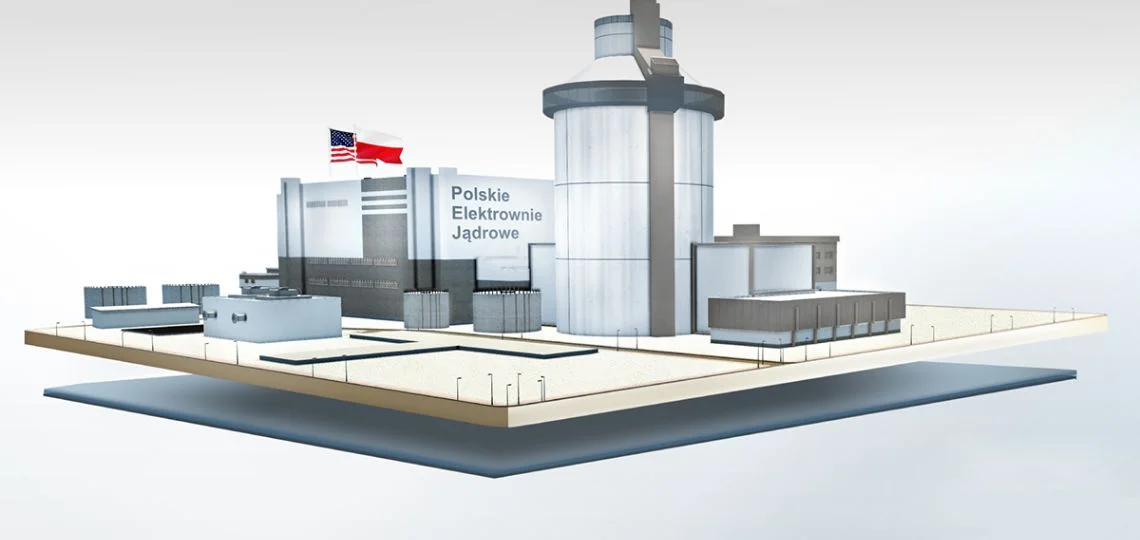
Polskie Elektrownie Jądrowe has submitted its construction permit application for Poland's first nuclear power plant at Lubiatowo-Kopalino, six months ahead of schedule. The nuclear safety authority has 24 months to rule.
| Sectors | Nuclear Energy, Fission |
|---|---|
| Themes | Project Development, Permits & Authorizations |
| Companies | Polskie Elektrownie Jądrowe |
| Countries | Poland |
Polskie Elektrownie Jądrowe (PEJ) has filed a construction permit application for the first nuclear power plant in Poland's modern history, since 1989. The application, exceeding 40,000 pages including annexes, was submitted six months ahead of the originally scheduled deadline in the project's timeline. Amid a global nuclear revival, Japan and South Korea are also accelerating their nuclear expansion driven by geopolitical tensions. More than 200 experts, primarily in nuclear safety and radiation protection, contributed to its preparation.
A 40,000-page dossier focused on safety
The application includes a Preliminary Safety Analysis Report (PSAR), the cornerstone document of the filing. This report details the plant's design and location, and includes technical and environmental analyses demonstrating compliance with requirements for nuclear safety, physical protection, radiological protection, and nuclear material safeguards. The dossier also incorporates a quality assurance programme, safety classification, the design of the physical protection system for the facility, and the basic elements of the radiological emergency management system.
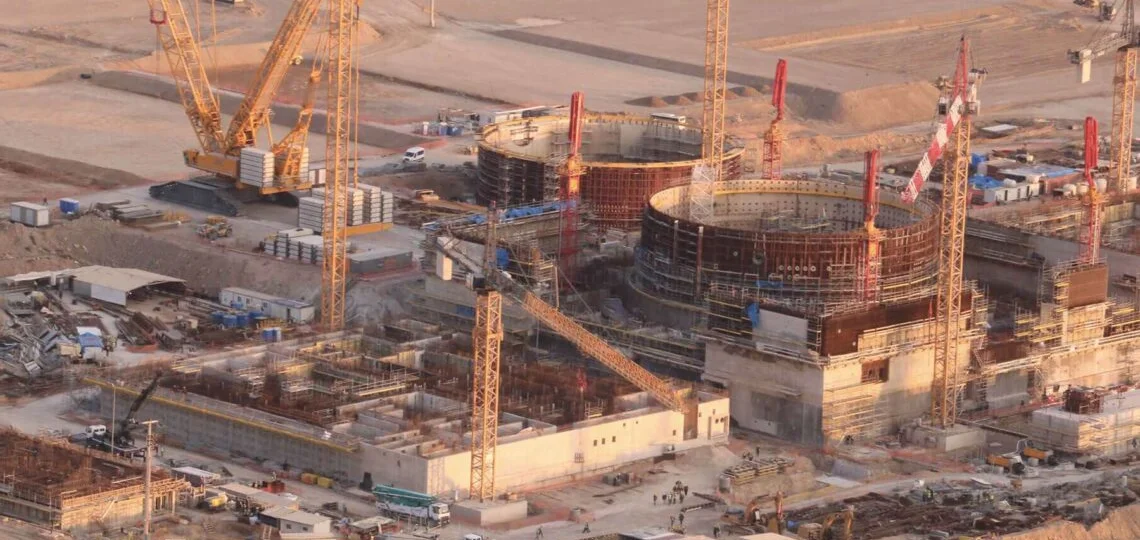
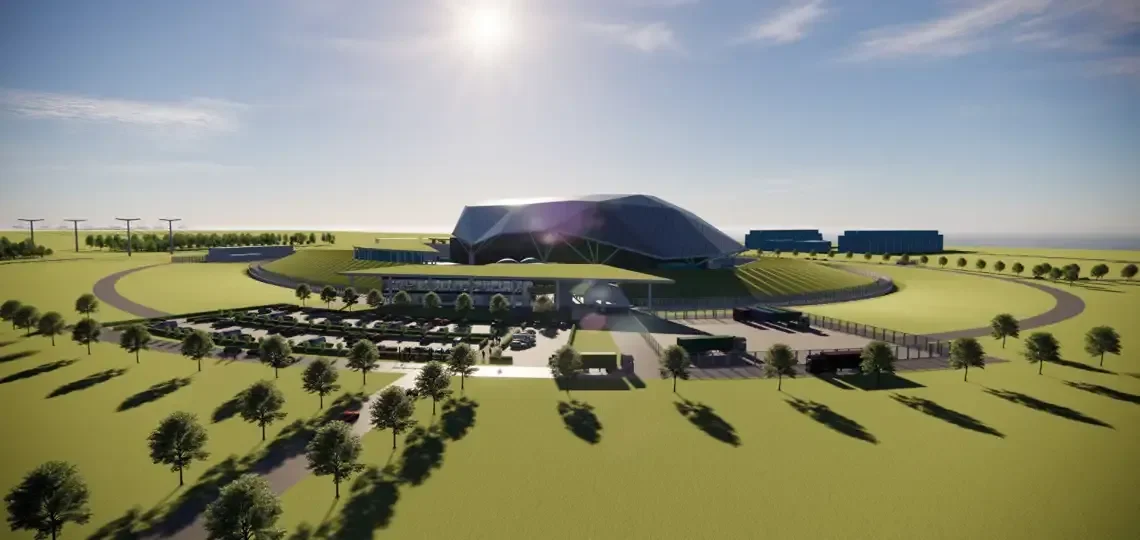
The selected technology is the Westinghouse AP1000 reactor, chosen in November 2022 by the then-Polish government. The plant, comprising three units, will be located at the Lubiatowo-Kopalino site in Choczewo municipality. The global nuclear industry awaits several decisive milestones in 2026, and the Polish project is firmly part of this momentum.
The PAA has 24 months to rule
Under the provisions of the Atomic Energy Law, the President of the National Atomic Energy Agency (PAA) has 24 months from the submission of the application to issue a decision on the construction permit, excluding any time granted to the applicant to supplement the documentation. The PAA will first conduct a formal and legal review before proceeding to a substantive assessment. Only after this stage will the agency announce the initiation of the process in its Public Information Bulletin, where the application and a summary safety report will also be published.
The safety assessment will be conducted in multiple stages, covering the technical solutions in the reactor design, the organisational solutions planned during preparation and construction, safety analyses, and operational limits and conditions. For certain aspects of this assessment, the PAA will rely on independent accredited laboratories and expert organisations.
First concrete expected in Q4 2028
PEJ expects to pour first concrete for the first unit in the fourth quarter of 2028. To meet this schedule, the company must obtain both a construction permit from the PAA and a building permit from the Pomeranian Voivode. PEJ plans to submit this second application in 2027.
Construction of each reactor is expected to take approximately seven years, followed by approximately one year of testing and commissioning. The first unit is expected to begin commercial operation in 2036, the second in 2037, and the third in 2038.