Putin re-elected: Russia between sanctions and rapprochement with OPEC
On the eve of the elections, Russia adjusts its energy strategy in the face of international sanctions and strengthens its ties with OPEC+.
| Countries | Brésil, Russie |
|---|---|
| Companies | G7 |
| Sector | Pétrole |
| Theme | Politique & Géopolitique, Sanctions |
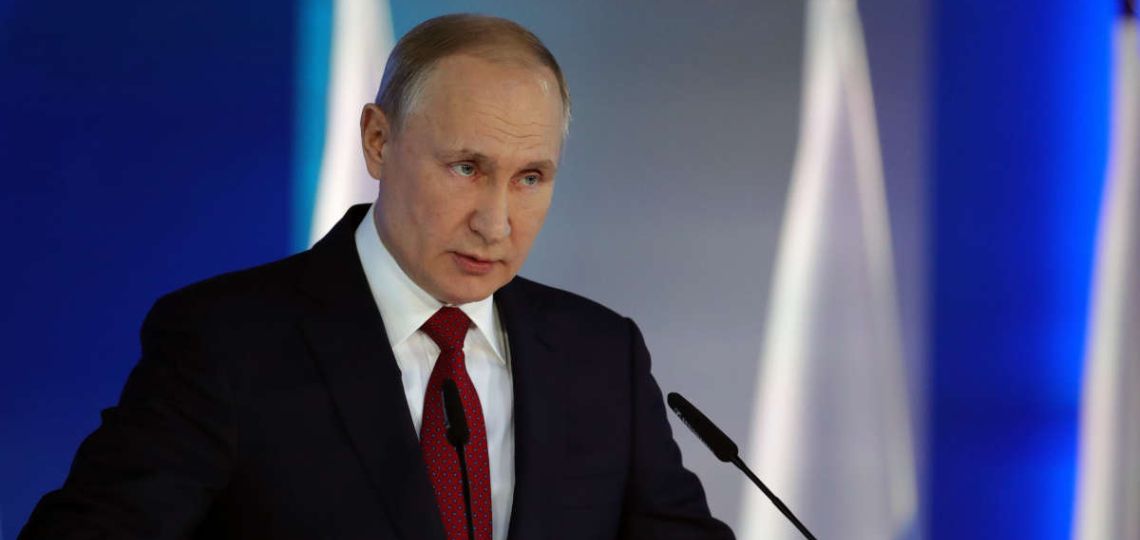
Vladimir Putin’s re-election sets Russia on a trajectory that has already begun, marked by closer ties with OPEC+ and gradual isolation from its former G7 partners. This election period has been punctuated bytargeted attacks on Russian oil infrastructure and the campaign of sanctions by the EU and the USA, challenging the country’s ability to maintain oil production in the face of the loss of access to crucial technologies and funding.
OPEC+ dynamics
Putin’s last term in office marked Russia’s growing alignment with OPEC+ policies, particularly in the context of production cuts that reflect a strategy of limiting upstream production more than export levels. In addition, Brazil’s accession as an observer to OPEC+ opens the way for Russia to pursue alternative political and commercial ties.
Impact of Sanctions and Strategic Responses
The sanctions imposed by the EU and the USA represent a major challenge for the Russian oil industry, with a gradual decline in production expected as early as 2024. Russia is looking for ways to get around these obstacles by focusing on diversifying its trade routes, and boosting its domestic production capacity to minimize the impact.
Adapting the Sector to New Challenges
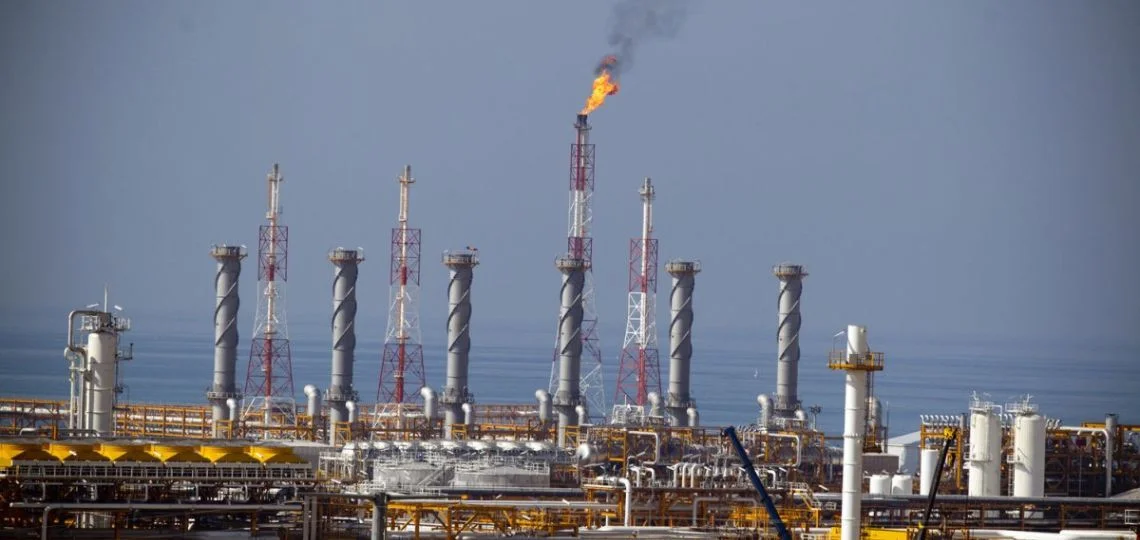
In response to attacks and technological restrictions, Russia is actively exploring solutions to maintain and secure its oil exports. This includes the optimization of rail and pipeline links to Asia, as well as the development of new projects such as the Chonsky oil field in Siberia, aimed at offsetting reductions in the European market.
Putin’s re-election is accompanied by questions about the future of major energy projects and the sector’s ability to overcome current challenges. Despite investment in key initiatives, sanctions raise questions about the long-term viability of Russian energy production.