Saudi Arabia Set to Fall Short of Its 130 GW Renewable Energy Target
The kingdom had reached only 13 GW of renewable capacity by 2025. Experts now project 74.2 GW by 2030, well below target, as rising domestic demand weighs on oil export revenues.

| Sectors | Solar Energy, Photovoltaic, Wind Energy, Onshore |
|---|---|
| Themes | Regulation & Governance, Public Policy |
| Companies | GlobalData |
| Countries | Saudi Arabia |
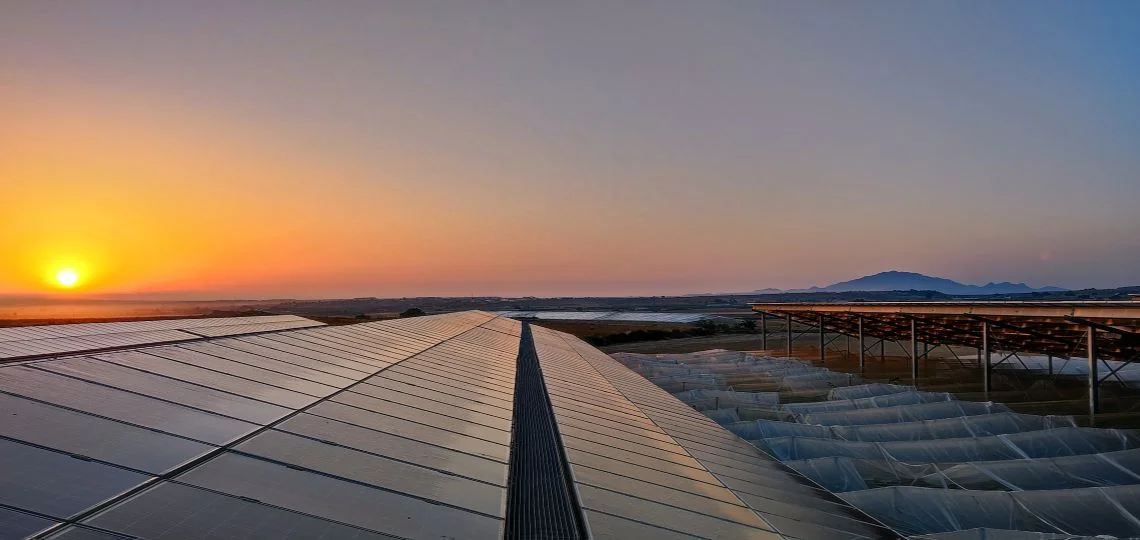
Saudi Arabia has set an ambitious target of 130 gigawatts (GW) of renewable energy by 2030. Progress, however, remains well below expectations: the kingdom had reached only 13 GW by 2025. According to GlobalData's Saudi Arabia Power Market Trends and Analysis report, experts now project just 74.2 GW by 2030, a significant shortfall against the official target. To meet this goal, Saudi Arabia would need to install more than 23 GW of renewable capacity annually — a pace the country has yet to demonstrate it can sustain. While other markets are scaling up deployments — such as ENGIE, developing a 900 MW wind farm in Egypt, or Meralco PowerGen, delivering 85 MW of solar to the Philippine grid — the Saudi kingdom is falling structurally behind.
Hydrocarbon Dependence Weighing on Export Revenue
Electricity consumption is rising rapidly in Saudi Arabia, driven by an expanding economy and a growing population. Water desalination infrastructure, essential in a country where naturally occurring groundwater is scarce, absorbs an increasing share of electricity output. "A large amount of power is required for water desalination plants due to the low availability of naturally occurring groundwater," said Attaurrahman Ojindaram Saibasan, power analyst at GlobalData. This dynamic is forcing the kingdom to mobilize more oil for domestic energy needs. Less crude available for export represents a strategic revenue shortfall for the world's largest oil exporter.
Recent Tender Awards Insufficient to Close the Gap
In October 2025, Saudi Arabia awarded 4.5 GW of solar and wind projects under the sixth round of the National Renewable Energy Program (NREP). A seventh round added 5.3 GW by January 2026. These awards signal political commitment but remain insufficient to bridge the gap. "Despite having support mechanisms such as net metering and renewable auctions, the country has not done enough to bolster its renewable capacity in line with its targets," Saibasan said. The analyst called for the development of additional power purchase agreements (PPAs) for large-scale renewable power plants.
Geopolitical Risks and Emerging Energy Demand
Saudi Arabia holds strong solar potential and growing wind resources. However, geopolitical risks in the Middle East and the rising energy demand from new large-scale projects — including the data hub repurposed from the NEOM development — could complicate investment conditions. The government must now demonstrate its ability to accelerate renewable deployment and reduce the share of hydrocarbons in its power mix, a challenge that carries both economic and strategic weight.