
TotalEnergies Forced to Remove Its Cape Ann LNG Terminal from Le Havre Port
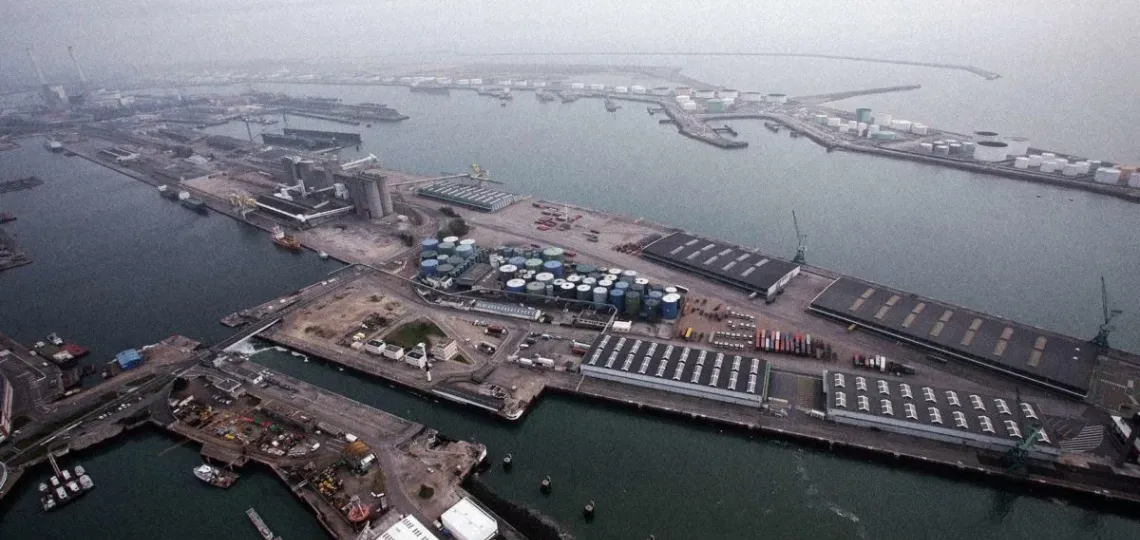
The Cape Ann floating LNG terminal, operated by TotalEnergies, has left Le Havre port. This departure follows a ruling by the Rouen Administrative Court in October 2025, which ordered the revocation of the installation authorization.
| Countries | France |
|---|---|
| Companies | TotalEnergies |
| Sector | Gaz |
| Theme | Régulation & Gouvernance |
The Cape Ann floating LNG terminal, owned by TotalEnergies, left Le Havre port overnight. This departure follows a court decision issued in October 2025 by the Rouen Administrative Court. The vessel, equipped with regasification facilities, had been anchored in Le Havre since October 2023 to supply France with liquefied natural gas (LNG). Its installation was decided in 2022, amid the Ukraine war and fears of energy shortages.
A Binding Court Injunction
The Rouen Administrative Court had ordered the government to revoke the decree authorizing the terminal’s installation within two months. This decision resulted from several legal challenges filed by environmental associations. The plaintiffs contested the necessity of this terminal for French energy supply and highlighted environmental risks associated with its operation.
According to Florian Weyer, Deputy Director of Le Havre port, this departure was planned in compliance with the court ruling. Economy Minister Roland Lescure had signed a decree on December 12, 2025, setting May 8, 2026 at the latest as the end date for maintaining the floating LNG terminal in operation. TotalEnergies LNG Services France, the subsidiary operating the Cape Ann, had not responded to inquiries by mid-afternoon, according to available information.
Stakeholder Reactions
Julien Bayou, former Green Party MP and lawyer for the Ecologie pour le Havre (EPLH) association, described this departure as a victory for environmental law. The EPLH association had initiated the legal proceedings that led to the authorization’s annulment. The lawyer emphasized that this outcome illustrates how a local association can prevail against a multinational corporation.
The Cape Ann had been deployed to address tensions in the European gas market caused by the Ukrainian conflict. France was then seeking to diversify its LNG supply sources amid uncertainties regarding Russian gas deliveries. The withdrawal of this terminal now raises questions about alternatives to secure French energy supply in a still uncertain geopolitical context.






Comments
Sign in to leave a comment.