TotalEnergies CEO defends his vision of the energy of the future at the French Senate
Patrick Pouyanné of TotalEnergies defends energy mix at key Senate hearing on climate commitments.
| Countries | France, Russie |
|---|---|
| Companies | TotalEnergies |
| Sector | Gaz, Gaz naturel |
| Theme | Politique & Géopolitique, Sécurité énergétique |
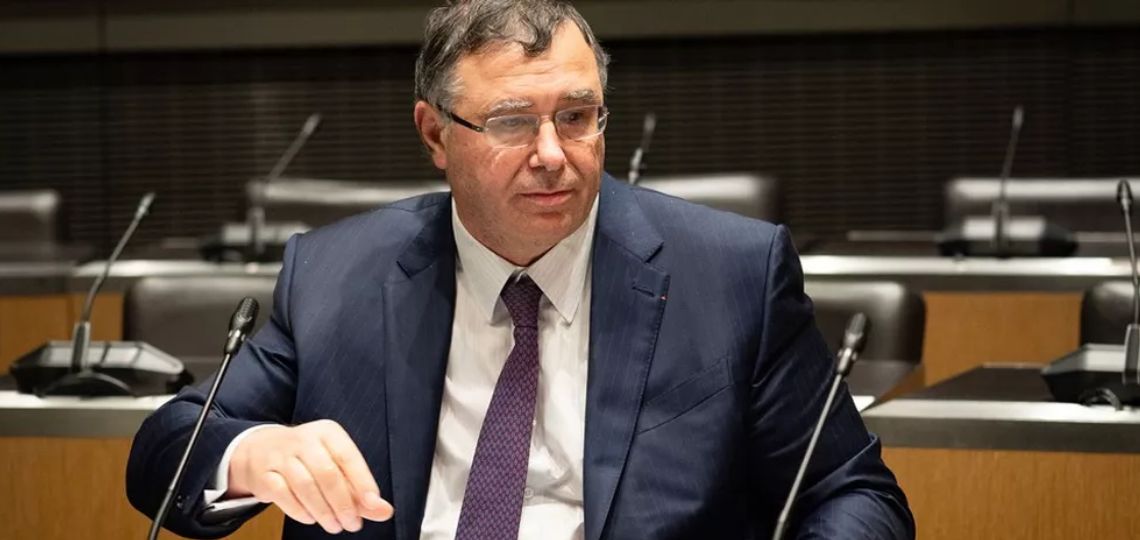
Patrick Pouyanné was questioned by the Senate Committee on the consistency of TotalEnergies ‘ activities with France’s climate commitments. This hearing, the culmination of several months’ work, represents a high point for the commission before the drafting of a parliamentary report.
The tension between economy and ecology
In the face of criticism, notably from Yannick Jadot, an ecologist senator from Paris, Pouyanné explained the need to maintain investment in hydrocarbons to finance the transition to renewable energies. He stressed that these activities are essential to generate the profits needed to invest in System B (low-carbon energies).
Challenges of the energy transition
Pouyanné defended the importance of continued investment in oil and gas, arguing that without such investment, supply would dwindle, leading to higher energy prices. This perspective is critical at a time when global energy demand remains strong.
Strategic importance of gas
The CEO justified the crucial role of LNG contracts, particularly those transporting gas from Russia, for Europe’s gas needs. He warned that banning Russian LNG, imported at an annual rate of 14 million tonnes, would require finding alternative, more expensive sources.
Geopolitical and climatic issues
Pouyanné also discussed TotalEnergies’ projects in Azerbaijan, criticized by MEPs following the offensive over Nagorno-Karabakh. He asserted that if sanctions were necessary against Azerbaijan, TotalEnergies would apply them, but that giving up gas production was not envisaged.
Patrick Pouyanné’s hearing highlights the complex challenges TotalEnergies faces in balancing economic imperatives with climate requirements, in a tense geopolitical context.