Canada and Nova Scotia impose a moratorium on offshore wind energy in the Georges Bank
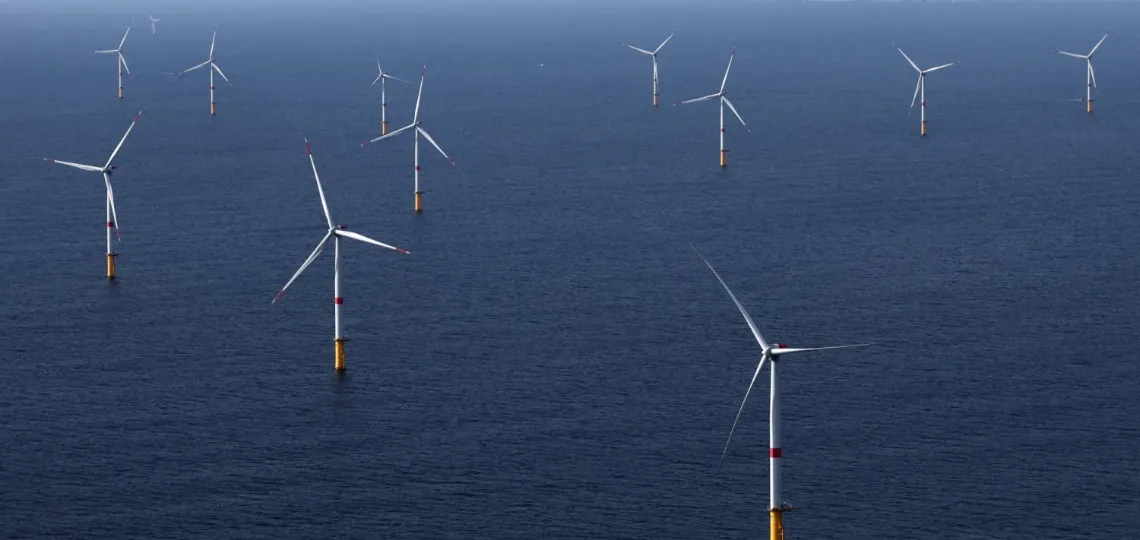
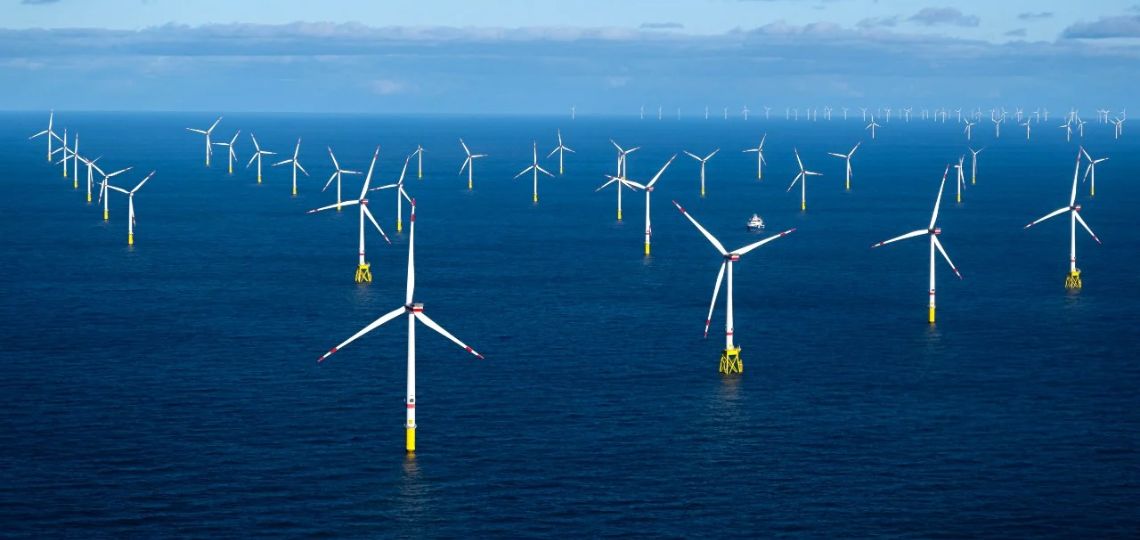
The Canadian and Nova Scotian governments have jointly imposed a moratorium on the development of offshore wind farms in the Georges Bank, aiming to protect this vital marine ecosystem and the local industries dependent on it.
| Sector | Énergie Éolienne, Offshore |
|---|---|
| Theme | Régulation & Gouvernance, Politique publique |
The Canadian and Nova Scotian governments have announced the imposition of a moratorium on the development of offshore wind farms in the Canadian portion of the Georges Bank. This measure aims to preserve the ecological integrity of this crucial maritime area and support the local industries that rely on it.
Georges Bank is a vast ocean plateau located between Cape Cod and Nova Scotia. It serves as a habitat for a wide variety of fish, marine mammals, and corals. The area is also one of the most productive commercial fishing zones in the world, providing jobs for thousands of Canadians.
Legislative Context and Joint Decision
This decision is based on recent amendments to the federal and provincial laws governing the Canada-Nova Scotia agreements. These amendments extend their scope to the management and regulation of offshore renewable energy. The moratorium on offshore wind energy aligns with the one imposed since 1988 on oil and gas activities in the Canadian portion of Georges Bank, recognising the ecological and socio-economic importance of the area.
Commitment to Responsible Development
Both the Canadian and Nova Scotian governments reaffirm their commitment to sustainably and responsibly exploiting offshore resources. The goal is to protect the environment while supporting the local economy. The imposition of this moratorium on offshore wind energy is part of this balanced approach.
Reactions from Stakeholders
Alisdair McLean, Executive Director of Net Zero Atlantic, praised the initiative, stating that this joint decision demonstrates the ability to protect a critical habitat while developing a substantial new source of clean energy. He added that decisions based on objective data strengthen confidence in the transition towards a clean and inclusive energy future.