Electric vehicle registrations triple in New Zealand as fuel costs soar
In March, 3,108 electric vehicles were registered in New Zealand, more than triple February's figure, driven by surging petrol and diesel prices linked to the Middle East conflict.
| Sectors | Mobility |
|---|---|
| Themes | Markets & Finance, Prices |
| Companies | Tesla |
| Countries | New Zealand, Iran |
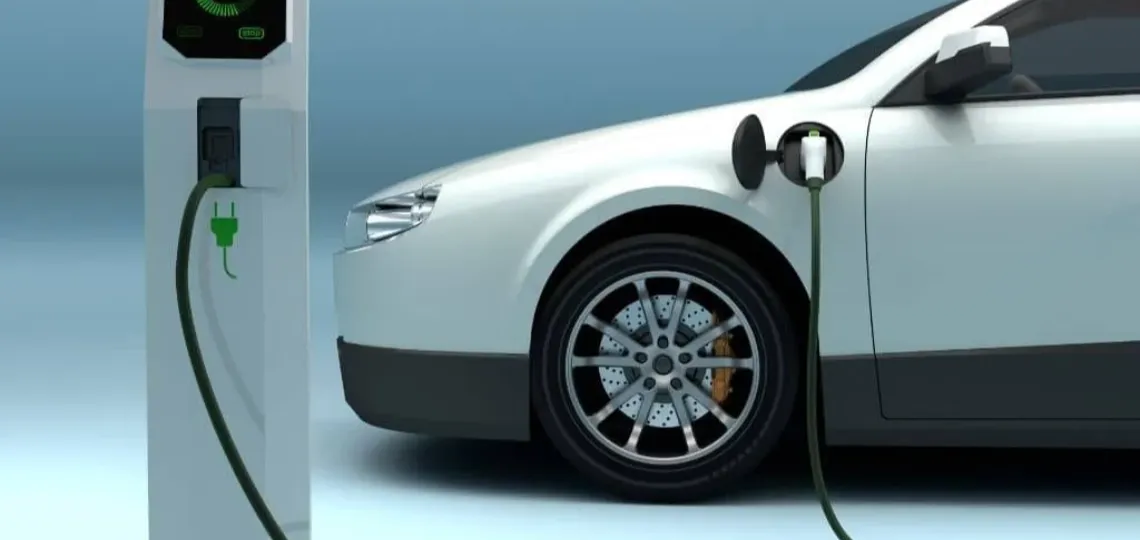
In March 2026, New Zealand recorded 3,108 electric vehicle registrations, more than triple the 921 units counted in February, according to the New Zealand Transport Agency. This surge comes amid a sharp rise in hydrocarbon prices that is pushing consumers to reconsider their mobility choices. The fuel price shock is affecting multiple markets: in France, TotalEnergies extended its fuel price caps at its service stations while the government announced plans to redirect fuel tax surpluses to accelerate electrification. In New Zealand, Transport Minister Chris Bishop said year-to-date registrations are "nearly 2,000 higher" than in the same period the previous year.
A blocked strategic strait, fuel under pressure
The Strait of Hormuz, through which approximately one-fifth of global hydrocarbons normally flows, has been de facto blocked by Iran since Israeli-American attacks on the country in late February. This disruption of a critical maritime route has quickly transmitted its effects to international oil markets. In New Zealand, the average price of petrol rose by more than 30% in March, while diesel jumped by 74%, according to government data. These figures illustrate the scale of the shock on local consumers.
"It's not surprising to see something of a rush toward electric vehicles", said Chris Bishop. "People are looking at the price of petrol and diesel and thinking maybe now is the time to switch to a cleaner car, and I think that's going to continue", he added. The cost-benefit ratio of combustion engine vehicles deteriorates mechanically as fossil fuel prices rise, enhancing the relative attractiveness of electric powertrains.
The abolition of the "clean car discount" will not reverse the trend
Electric vehicle sales had declined after the right-wing government came to power in November 2023 and scrapped the clean car discount scheme. This programme gave buyers a reduction of up to approximately 7,000 New Zealand dollars (3,463 €) on the purchase of an electric vehicle. Conversely, buyers of more polluting vehicles were required to pay a surcharge under the same bonus-malus system. The removal of this support had dampened demand, but rising fuel costs now appear to be playing a natural incentive role.
Chris Bishop ruled out reinstating any public subsidy for electric vehicle purchases. "It's not a reasonable use of taxpayers' money to subsidise high-income people to buy Teslas", he said. The March recovery therefore rests on a market mechanism — the economic competitiveness of electric vehicles against fossil fuel costs — rather than on fiscal incentive policy.