
Fortum and Skavsta Sign Letter of Intent to Develop Hydrogen and eSAF in Sweden
Finnish energy group Fortum and Stockholm Skavsta airport operator are jointly exploring the establishment of energy solutions on a 100,000 sqm site, including hydrogen production and sustainable aviation fuel.
| Countries | Finlande, Suède |
|---|---|
| Companies | Fortum |
| Sector | Carburants Alternatifs |
| Theme | Développement de projets |
Fortum and Skavsta Logistik och Flygfrakt AB have signed a letter of intent concerning a feasibility study for several energy projects at Stockholm Skavsta Airport. The agreement aims to explore the establishment of hydrogen production units, eSAF (electro Sustainable Aviation Fuel) manufacturing, heat recovery and battery storage facilities. Skavsta Logistik och Flygfrakt AB is owned by airline BRA and real estate group Arlandastad Group.
A Strategic 100,000 sqm Site
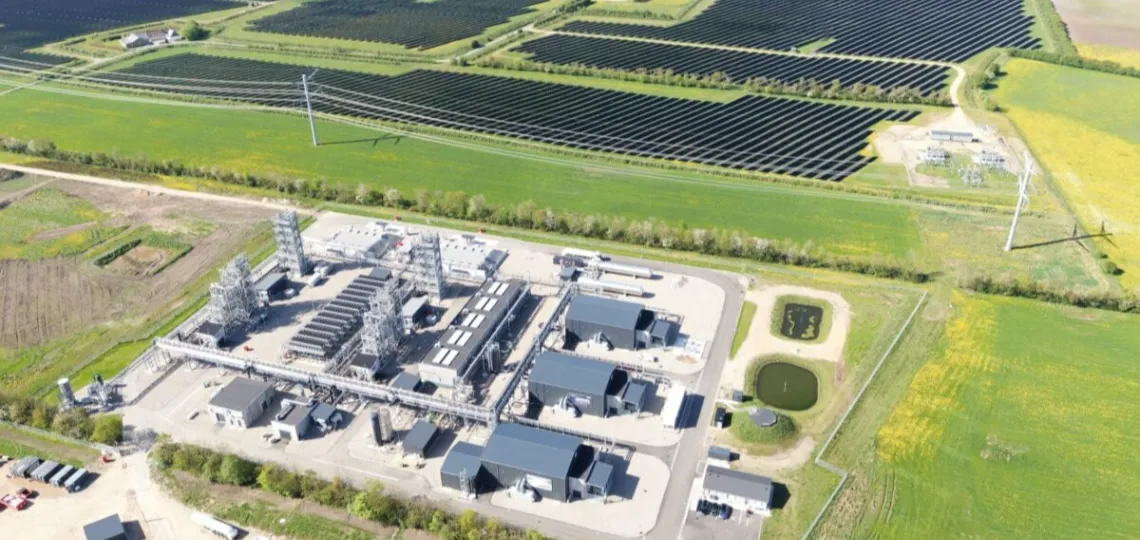
The letter of intent covers an area of approximately 100,000 sqm located in the western terminal sector, according to information released by the parties. This perimeter is currently undergoing a detailed planning process in collaboration with Nyköping municipality. The location, directly connected to airport infrastructure, would present favorable conditions for future industrial and energy facilities.
Under this agreement, Fortum gains access to the site during the planning phase. This provision would allow the Finnish group to conduct technical, commercial and regulatory studies prior to any investment decision.
Regional Development Prospects
Daniel Christensen, Head of Property Development at Arlandastad Group AB, describes Fortum as a strategic partner in Skavsta’s development. According to him, this collaboration would strengthen the attractiveness of the entire site and contribute to long-term regional competitiveness. Tova Langels, Business Developer and Project Manager at Fortum, mentions significant potential for developing industrial electrification solutions at this site.
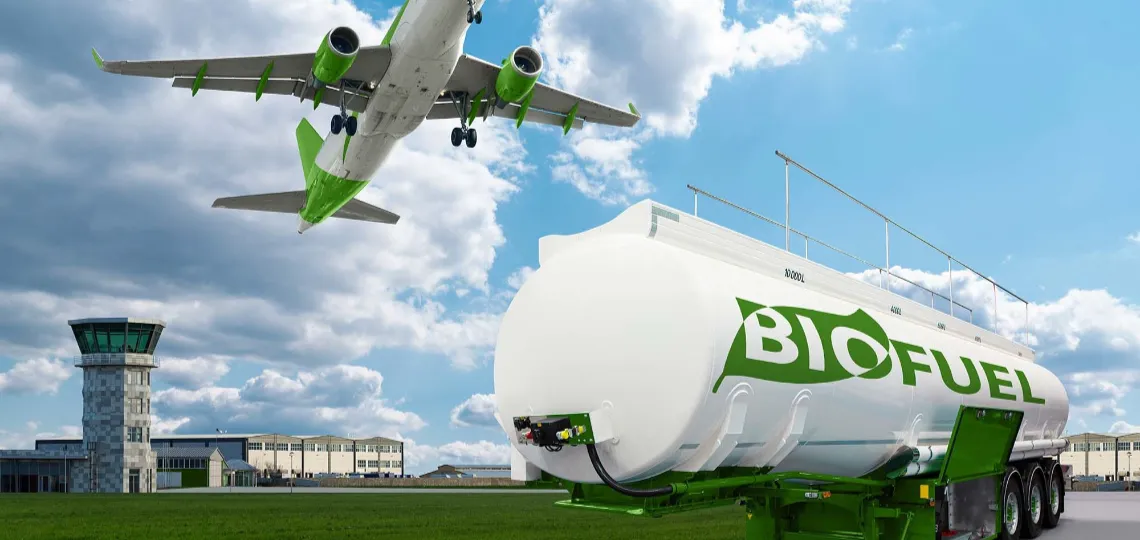
eSAF, sustainable aviation fuel produced from electricity and captured CO2, represents one of the avenues being explored by the aviation industry to reduce its carbon footprint. The immediate proximity to airport infrastructure represents a logistical advantage for this type of production. The parties have not disclosed a specific timeline or potential investment amounts at this stage.





Comments
Sign in to leave a comment.