Global Floating Offshore Wind Mooring System Market to Reach $308 Million by 2031
The mooring systems sector for floating wind turbines would grow at 6.2% annually until 2031, according to Valuates Reports. Deepwater project development drives demand for these critical equipment.
| Sector | Énergie Éolienne |
|---|---|
| Theme | Marchés & Finance |
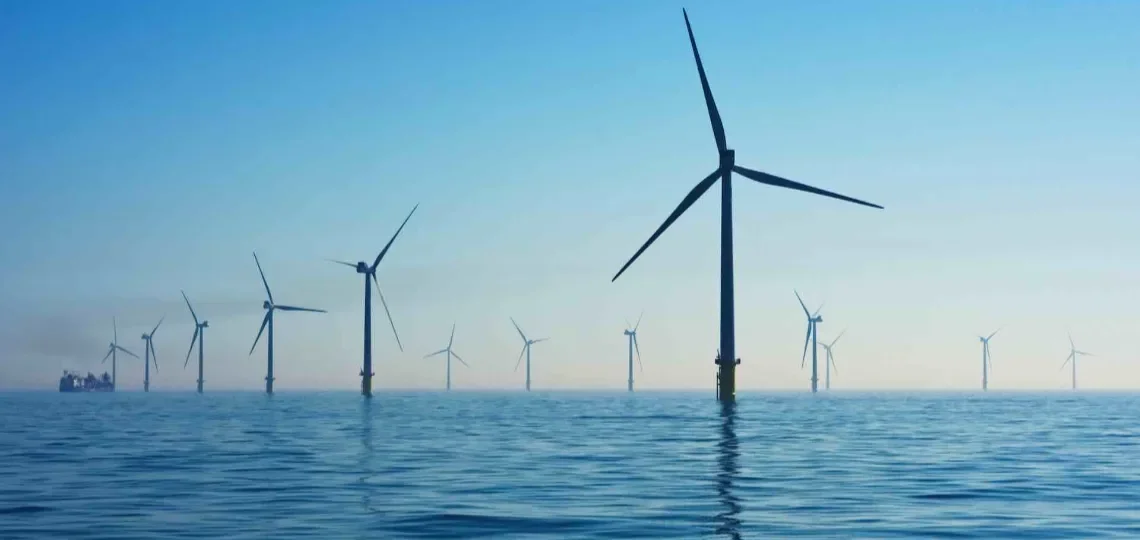
The global floating offshore wind mooring system market was valued at $202 million in 2024, according to data published by Valuates Reports. This segment would reach $308 million by 2031, with a compound annual growth rate (CAGR) of 6.2% over the period. The expansion of deepwater wind projects constitutes the main driver of this dynamic.
Essential Equipment for Deepwater Projects
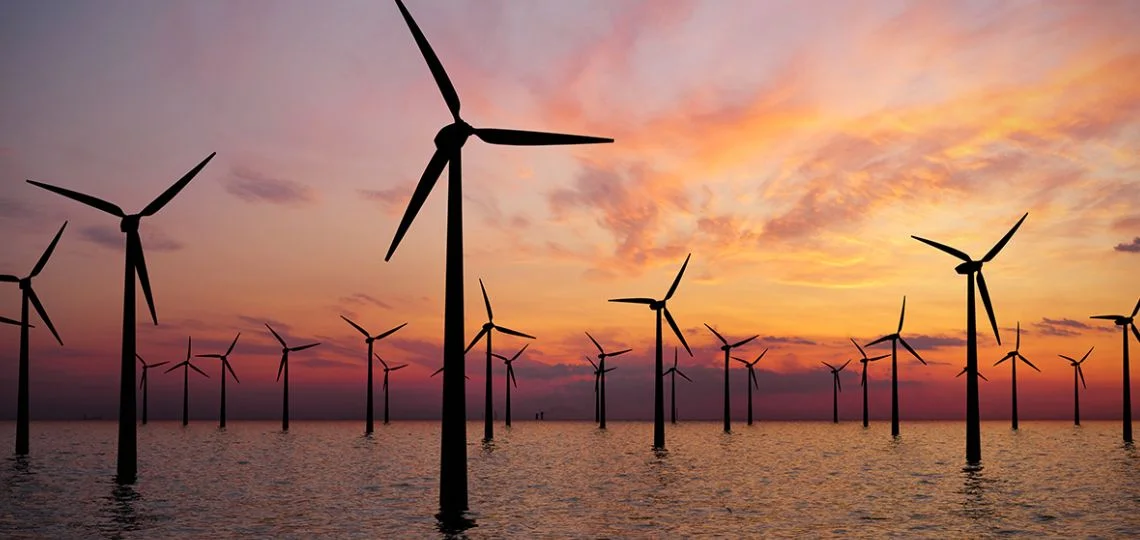
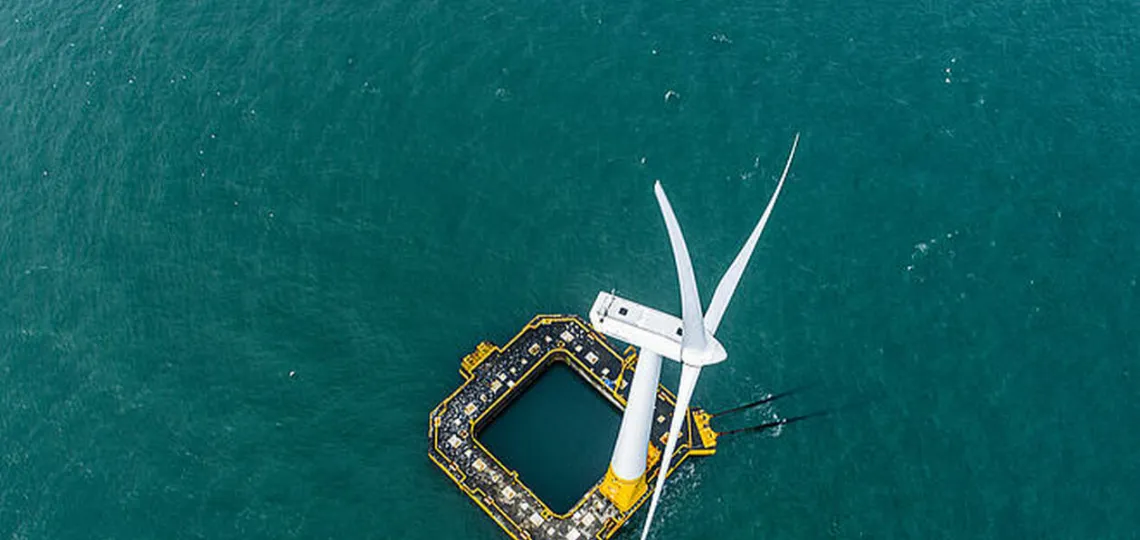
Mooring systems ensure the stability of floating platforms in demanding marine environments. These devices allow turbines to maintain their position while absorbing dynamic loads generated by waves, currents, and winds. Their reliability determines project technical feasibility, insurance acceptance, and cost optimization throughout installation lifecycles.
The market is structured around two main component categories: mooring chains and anchors. Chains offer proven resistance and adaptability based on water depth, seabed type, and platform design. Anchors ensure seabed attachment and reduce stress on mooring lines. Their performance directly influences turbine safety and power generation efficiency.
Three Mooring Configurations on the Market
Applications are divided among three technical configurations: Tension Leg Mooring, Taut Angle Mooring, and Slack Catenary Mooring. Taut angle mooring is gaining popularity, according to the report, as it offers better positional control and reduces footprint. This configuration is particularly suited to deepwater deployments and addresses environmental concerns related to seabed occupation.
Reducing operational and structural risks constitutes a determining factor in mooring system selection. Stable solutions protect turbines against excessive movements that could cause mechanical fatigue or energy losses. Developers and investors favor projects with controlled risk profiles. Insurance companies also assess mooring system reliability when determining coverage conditions.
Europe and Asia Lead Demand
Europe emphasizes deepwater projects in challenging marine environments, driving demand for advanced mooring configurations. Asia focuses efforts on expanding offshore wind capacity near densely populated coastal areas. This geographic diversity of needs strengthens interest in adaptable mooring solutions.
Market players include Vicinay Marine, MacGregor, Dyneema, Delmar Systems, Ramnäs Offshore, WireCo, SPT Offshore, and Triton Anchors. The report highlights that lifecycle cost considerations strongly influence system selection. Durable and well-designed solutions would reduce maintenance frequency and extend service life, improving overall project economics. Access to deepwater sites, where fixed structures are impractical, opens new geographic opportunities for countries with limited continental shelves.