Hungary to Gradually Cut Gas Supplies to Ukraine Over Druzhba Pipeline Dispute
Viktor Orban has tied the continuation of Hungarian gas deliveries to Ukraine to the restoration of oil supply via the Druzhba pipeline, which Kyiv says was damaged by Russian strikes in January.
| Sectors | Gas, Natural Gas, Oil, Transport & Storage |
|---|---|
| Themes | Policy & Geopolitics, Energy Security |
| Countries | Hungary, Ukraine, Slovakia, Russia |
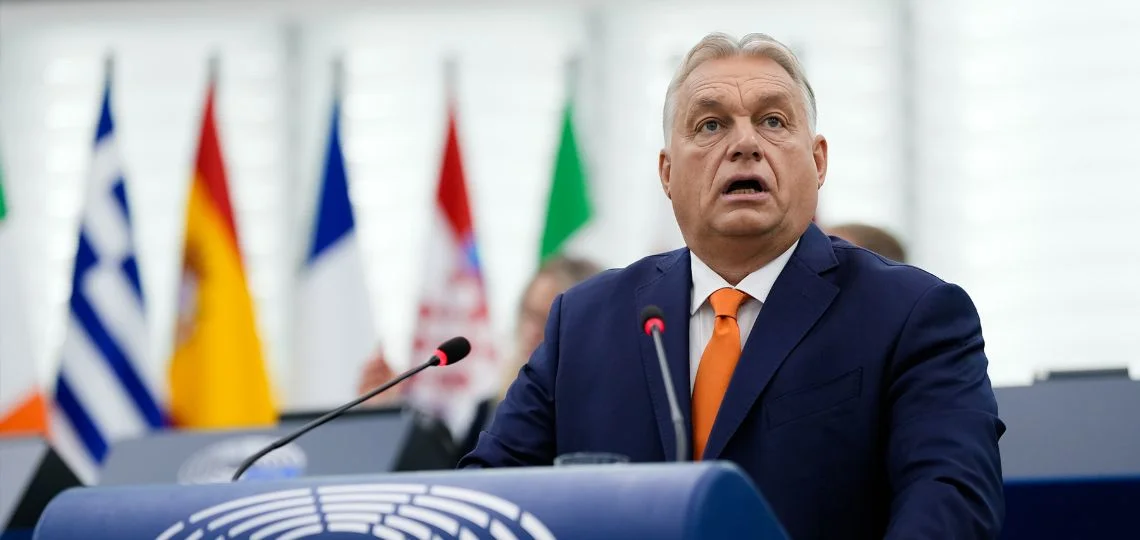
Hungarian Prime Minister Viktor Orban announced Wednesday a progressive reduction in gas deliveries to Ukraine, conditioning any continuation of exports on the restoration of oil supply via the Druzhba pipeline. "To break the oil blockade and ensure Hungary's energy security, new measures are now necessary", he said in a video posted on Facebook. "As long as Ukraine does not supply oil, it will not receive gas from Hungary", he added. The announcement comes amid ongoing reconfigurations in European gas markets, as illustrated by TotalEnergies launching production at the Quiluma offshore gas field in Angola and EDF's sale of the Norte Fluminense gas plant for 230 million euros.
The Druzhba Pipeline at the Heart of the Standoff
Ukrainian authorities say the Druzhba pipeline, which crosses their territory to carry Russian oil to Central Europe, was damaged in Russian strikes on January 27. Hungary and Slovakia, which benefit from exemptions granted by the European Union (EU) to continue buying Russian oil, accuse Kyiv of having taken no action to repair the infrastructure since then. Budapest and Bratislava are also blocking the official adoption of new economic sanctions against Russia — endorsed by other EU member states — citing the same reasons related to the pipeline.
In retaliation, Viktor Orban has suspended a European loan of 90 billion to Ukraine. The week before the announcement, European Commission President Ursula von der Leyen had indicated that the EU would help reopen the Druzhba pipeline. These measures highlight the intertwining of energy and diplomatic issues between Budapest and Kyiv, as the war in Ukraine continues to reshape hydrocarbon flows across the continent.
A Gas Dependency Built Since 2022
Ukraine imported 2.94 billion cubic meters of gas from Hungary in 2025, making Budapest its main gas supply source, according to a report by Ukrainian consulting firm ExPro. These volumes represented 45.5% of all Ukrainian gas imports that year. Hungary's share of Ukrainian imports has since fallen to 34% in March 2026, according to the same source.
According to analysts at the Hungarian Oeconomus Economic Research Foundation, considered close to the government, the share of natural gas from Hungary in Ukrainian consumption rose from 2.5% in 2022 to 14% in the first ten months of 2025. This figure is corroborated by Ukrainian consulting firm Dixi Group, which noted in a report published in March that Hungary accounted for 14% of the 21 billion cubic meters of gas consumed by Ukraine in 2025.