EU-Mercosur agreement opens 650,000-tonne Brazilian ethanol quota to Europe
The European Union and Mercosur signed their trade agreement on January 17, 2026 in Asunción. The energy component provides for an ethanol quota multiplied by six and 2 billion euros for Brazilian green hydrogen.
| Countries | Brésil |
|---|---|
| Companies | Cosan |
| Sector | Carburants Alternatifs |
| Theme | Régulation & Gouvernance |
The association agreement between the European Union and Mercosur concludes 25 years of diplomatic negotiations. The legal architecture separates the Interim Trade Agreement (iTA) from the broader political pillar, enabling early implementation without awaiting ratification by the 27 national parliaments. According to documents published by the European Commission’s Directorate-General for Trade, only approval from the European Parliament, scheduled for April 2026, and the Council is required to activate the trade component.
Ethanol quota nearly multiplied by six
Actual Brazilian ethanol exports to the European Union reached approximately 111,000 tonnes in 2025, according to data from Brazil’s Foreign Trade Secretariat (SECEX). A tariff barrier of €0.19 per liter had previously constrained flows. The agreement now locks in a global tariff quota of 650,000 tonnes, representing a potential 5.8-fold increase in exported volumes. The quota allocation distinguishes two segments: 450,000 tonnes at zero duty intended for the European chemical industry, and 200,000 tonnes at reduced duty for the fuel market.
Customs authorities are technically preparing to open the quotas for the third quarter of 2026. The total tax exemption on the chemical segment would allow Brazilian plants to capture the full arbitrage margin between production costs and European selling prices. Groups such as Raízen and São Martinho are among the main potential beneficiaries of this arrangement.
SAF pathway in sight
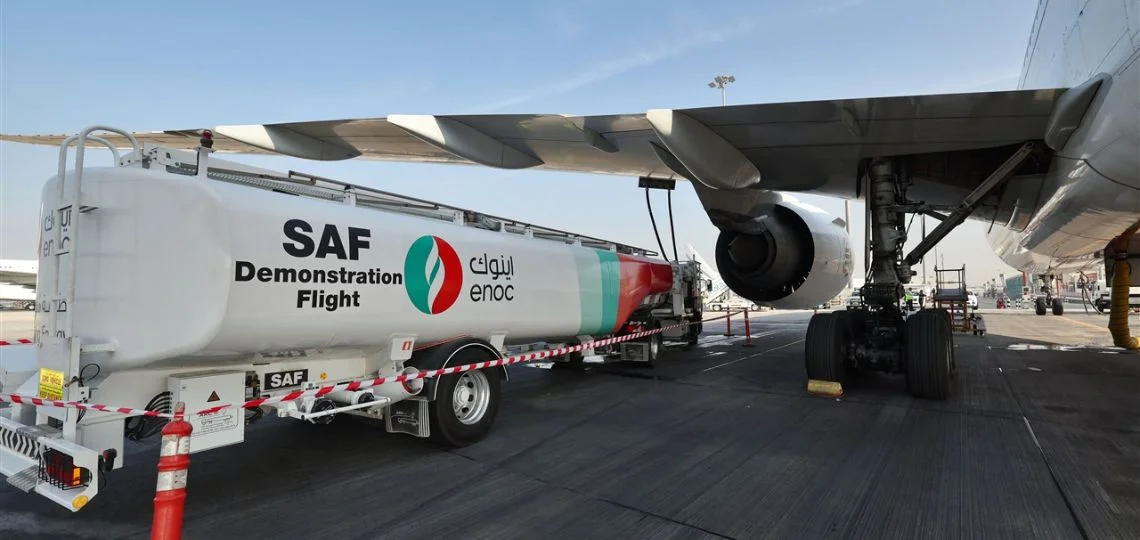
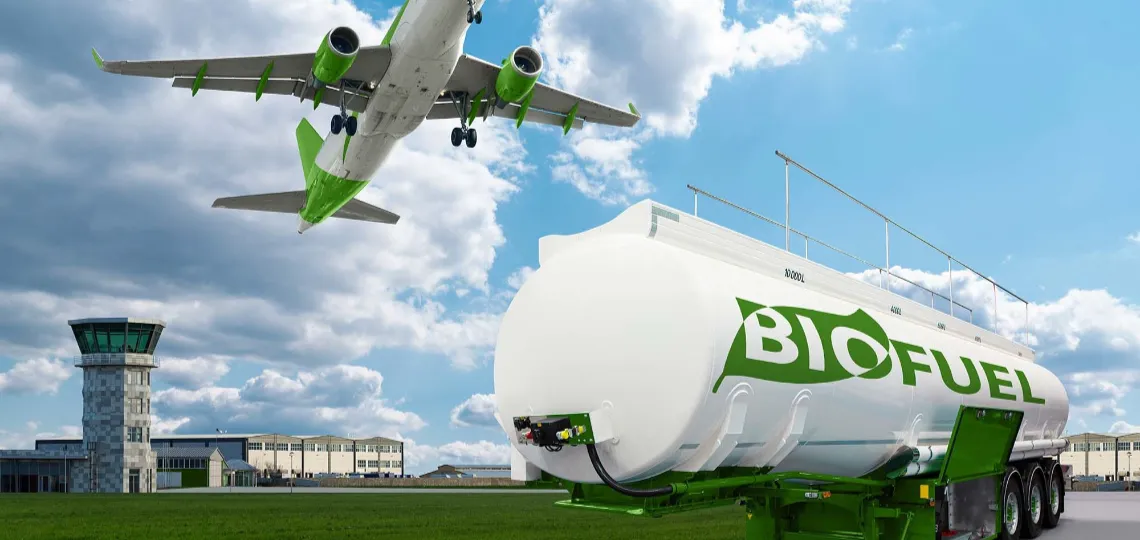
Brazilian sugarcane ethanol constitutes a feedstock for Alcohol-to-Jet (AtJ) technology producing Sustainable Aviation Fuel (SAF). Since January 1, 2025, the ReFuelEU Aviation regulation mandates 2% SAF in all aircraft departing from the European Union, a rate that will rise to 6% by 2030. Brazilian ethanol generally achieves emission reductions of 70% to 90% compared to fossil fuels, meeting the criteria of the European RED III directive. Conversion to SAF would offer an operating margin two to three times higher than that of the road market, according to the source analysis.
Two billion euros for green hydrogen
The European Union confirmed the allocation of 2 billion euros through its Global Gateway program to support the hydrogen sector in Brazil. The agreement contains investment protection clauses and public procurement access provisions. The logistics corridor between the port of Pecém and Rotterdam is undergoing accelerated work for a future green ammonia terminal. The marginal cost of wind and solar electricity in northeastern Brazil stands below $30 per megawatt-hour, according to cited data.
The agreement eliminates customs duties on European industrial equipment imported into Brazil, notably wind turbines and electrolyzers. In return, Brazilian green ammonia would benefit from free access to the European market. The Carbon Border Adjustment Mechanism (CBAM) would tax industrial products with high carbon footprints, strengthening the relative competitiveness of Brazilian exports produced with renewable energy.
Environmental compliance and market consolidation
The European Union Deforestation Regulation (EUDR) applies to flows generated by the agreement. Each liter of ethanol or tonne of soy must be geolocated, with proof that the plot was not deforested after 2020. This technical requirement would favor integrated groups already possessing satellite digitization systems, such as Raízen, Cosan, or Amaggi. Producers unable to provide this traceability risk exclusion from the European quota and redirection to less remunerative markets.