
Libya Signs $20 Billion Oil Deal with TotalEnergies and ConocoPhillips
Tripoli announces a 25-year contract with the French and American groups. The deal would generate over $370 billion in revenue according to the Libyan Prime Minister.
| Countries | Égypte, France, Libye, Turquie, États-Unis |
|---|---|
| Companies | ConocoPhillips, Chevron, TotalEnergies, National Oil Corporation |
| Sector | Pétrole |
| Theme | Politique & Géopolitique |
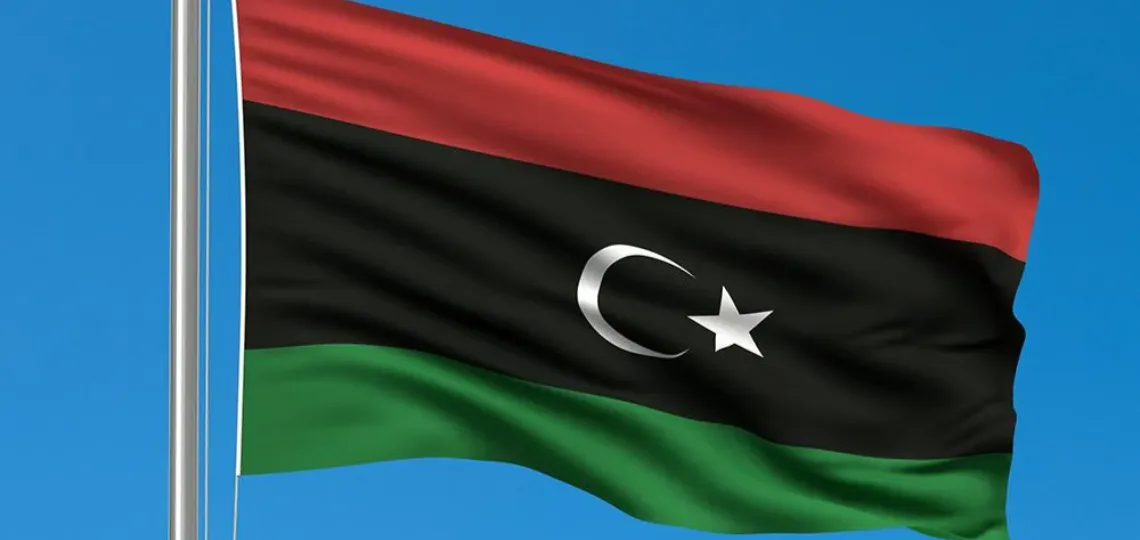
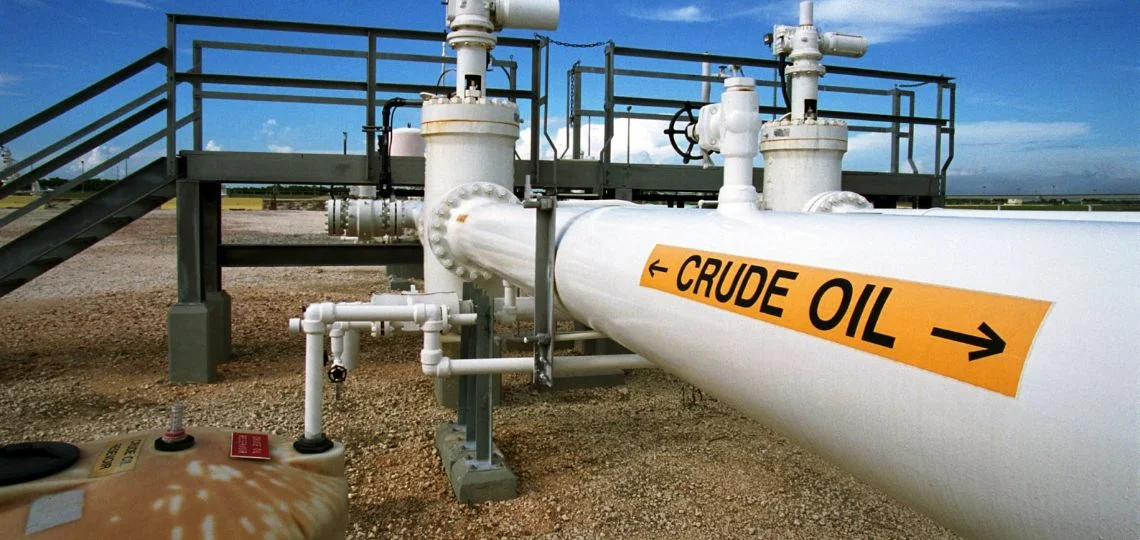
The Libyan government announced the signing of an oil agreement worth over $20 billion for a period of 25 years with TotalEnergies and ConocoPhillips. Prime Minister Abdelhamid Dbeibah indicated that this contract would generate more than $370 billion in revenue over its full duration. According to official statements, the agreement would be entirely funded outside the Libyan state budget.
A Summit Under High Diplomatic Scrutiny
The announcement was made at the opening of the Libyan Energy and Economy Summit in Tripoli. Massad Boulos, Middle East advisor to US President Donald Trump, attended the event alongside Turkish and Egyptian officials. The American advisor described the summit as an opportunity for the United States to become a leading economic partner of Libya.
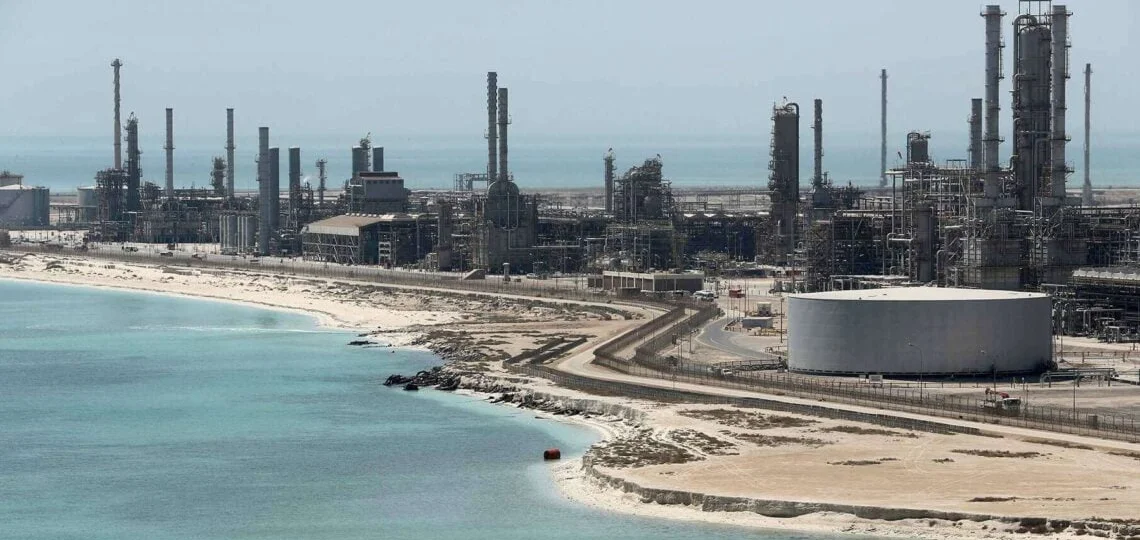
Libya currently produces approximately 1.5 million barrels per day. The country holds Africa’s largest oil reserves, estimated at 48.4 billion barrels. However, the Libyan oil sector continues to face persistent security challenges since the overthrow of Muammar Gaddafi in 2011.
New Contracts in Preparation
Abdelhamid Dbeibah specified that Libya was preparing to sign an agreement with Chevron covering exploration and production development. A separate agreement with Egypt would aim to support services in the oil sector. Masoud Suleman, chairman of the National Oil Corporation (NOC), announced that a new tender for oil and gas exploration would be launched next month.
Libya’s last hydrocarbon exploration tender dates back to 2007-2008 and focused on natural gas. Authorities have since sought to attract major global energy companies back to the country after years of instability. Two executives currently vie for power: the Government of National Unity (GNU) in Tripoli, led by Abdelhamid Dbeibah and recognized by the UN, and a rival government in Benghazi controlled by Marshal Khalifa Haftar and his sons.
Ambitions for an Energy Renaissance
Massad Boulos described the event as a potential launchpad for Libya’s return as a global energy power. This prospect nonetheless remains conditional on the country’s political stabilization. The ability of international operators to deploy their investments will largely depend on the evolution of the security context in production areas.
Comments
Sign in to leave a comment.