MRPL Abandons Russian Oil for Venezuela Amid Strengthened Western Sanctions
Indian refinery MRPL ceases Russian crude imports and turns to Venezuela. New American and European sanctions force export-oriented refiners to choose between domestic market and Western outlets.
| Countries | Inde, Russie, États-Unis |
|---|---|
| Companies | Rosneft, Lukoil |
| Sector | Pétrole |
| Theme | Politique & Géopolitique |
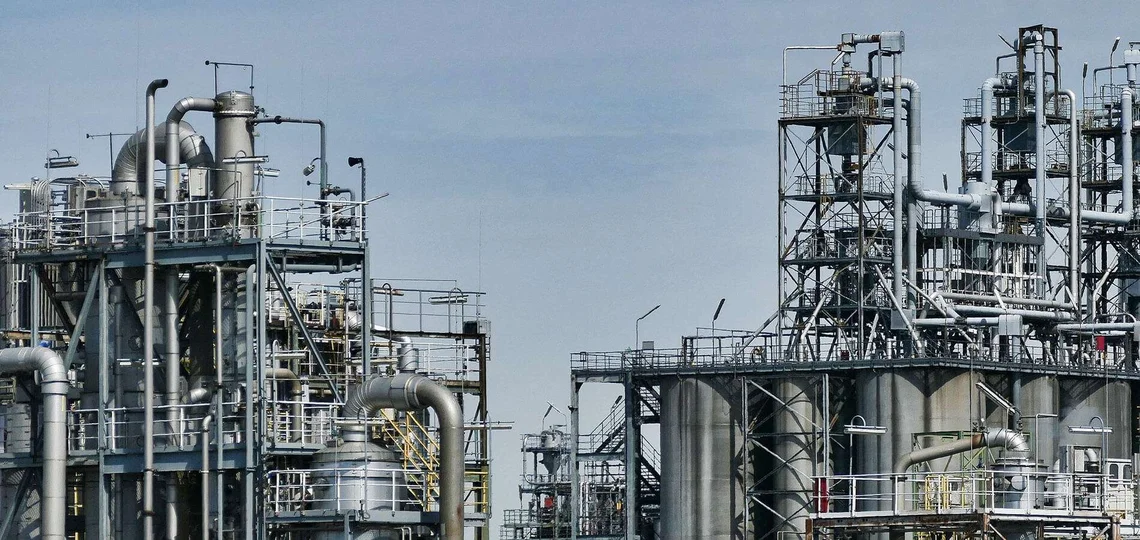
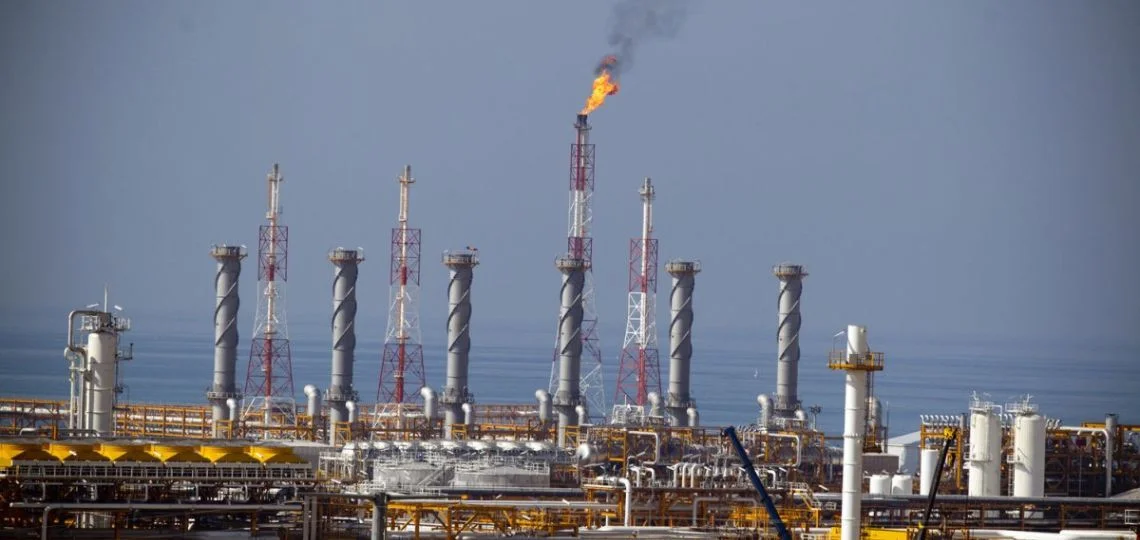
Mangalore Refinery and Petrochemicals Ltd (MRPL), a subsidiary of Indian national company ONGC, has officially ended its Russian oil imports. This state-owned refinery, with a capacity of 500,000 barrels per day according to disclosed data, is now repositioning toward Venezuela for its supplies. The decision comes amid tightening Western sanctions that make Russian crude incompatible with export activities.
An Unprecedented Tightening of Sanctions
The United States placed Rosneft and Lukoil on its direct sanctions list (SDN List) in October 2025. This measure goes beyond the simple price cap mechanism in force since 2022. Any transaction with these entities now exposes Indian banks and companies to secondary sanctions risks. A wind-down period for ongoing business had been granted until November 21, 2025.
The European Union reinforces this pressure with a new rule taking effect on January 21, 2026. This mechanism, known as the “60-day rule,” prohibits imports of refined fuels from facilities that processed Russian crude within 60 days prior to shipment. MRPL exports approximately 40% of its refined production, mainly diesel and gasoline. To retain access to the European market, the company must demonstrate that its tanks are free of any Russian oil.
Venezuela as a Technical Alternative
The halt of Russian imports creates a supply gap for Indian refineries configured to process heavy and sour crude. Venezuelan crude, particularly the Merey grade, has chemical characteristics similar to Russian Urals crude. This technical match makes it a suitable substitute for complex facilities like Mangalore. Devendra Kumar, MRPL’s Chief Financial Officer, states that the company applies strict compliance with new regulations.
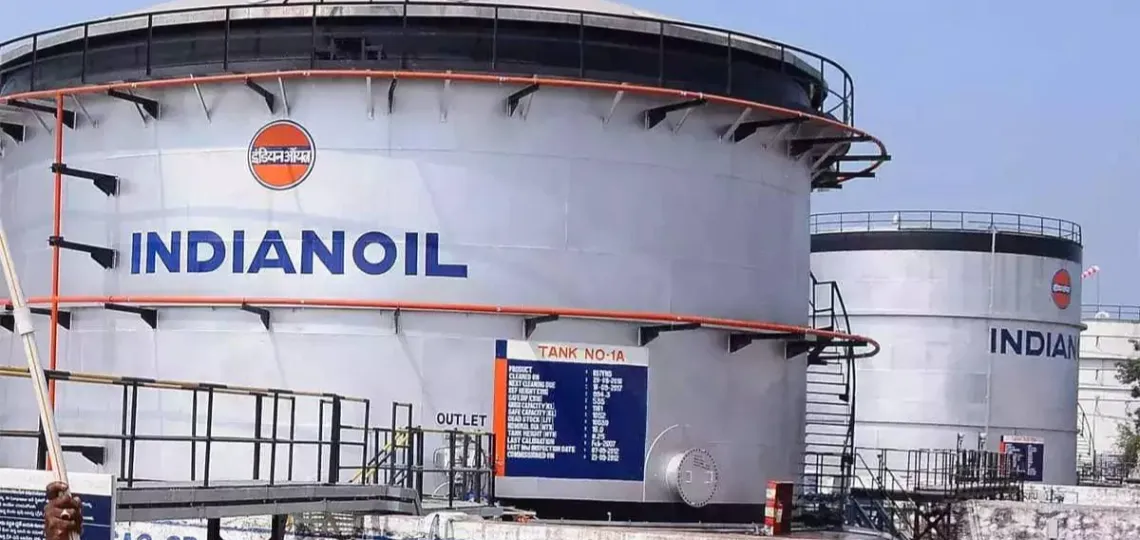
MRPL does not operate alone in this new market. Other major Indian players, notably Reliance and Indian Oil Corp (IOC), are also seeking to secure Venezuelan cargoes. This increased competition for South American crude is reshaping regional supply balances.
The End of an Economic Model
Between 2022 and 2025, Indian export-oriented refiners benefited from profitable arbitrage: purchasing Russian crude at discounted prices, refining it, then reselling diesel at premium prices to Europe. The 60-day rule ends this scheme. Operators must now choose between Russian supply for the Indian domestic market or abandoning this crude to maintain their exports to the West.
Russian oil is expected to redirect primarily toward China and the Russian domestic market, with growing logistical and financial difficulties. The mechanism combining the American SDN list and the European 60-day rule illustrates the effectiveness of sanctions extraterritoriality. This development permanently alters the map of global oil flows, benefiting Venezuela at the expense of Russia.