Nine European Countries Commit to 300 GW of Offshore Wind by 2050
Germany, the United Kingdom and seven other European states plan to sign a joint declaration to accelerate offshore wind development, despite recent criticism from US President Donald Trump.
| Countries | Allemagne, Danemark, France, Royaume-Uni, Norvège |
|---|---|
| Companies | Union Européenne |
| Sector | Énergie Éolienne |
| Theme | Investissements & Transactions |
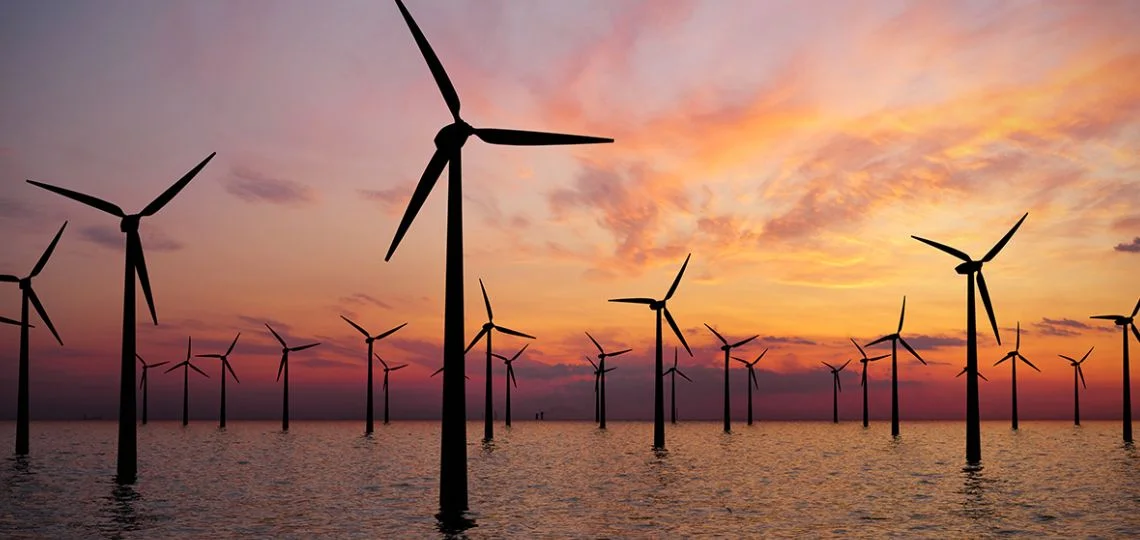
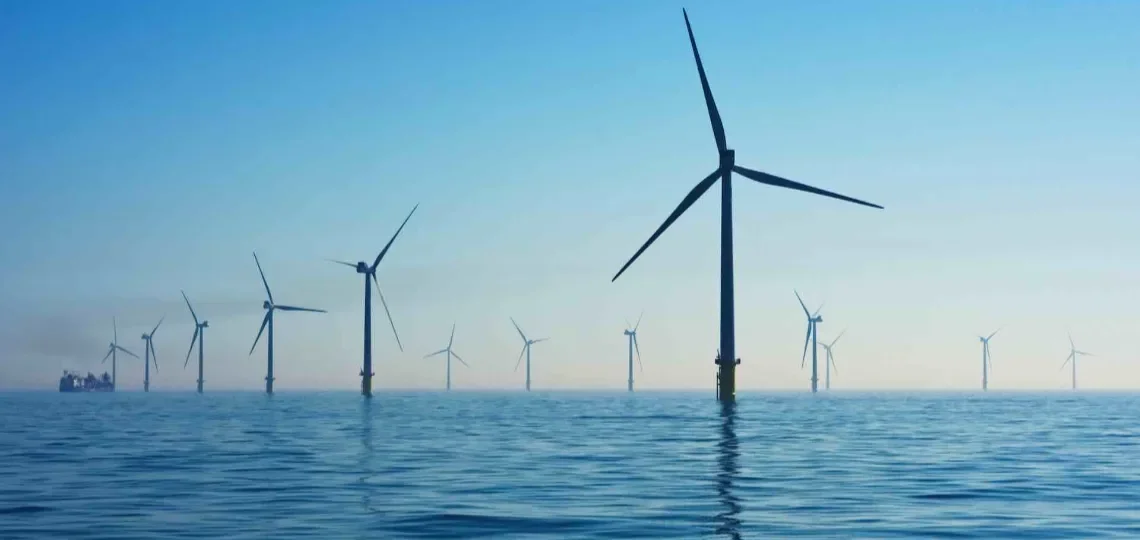
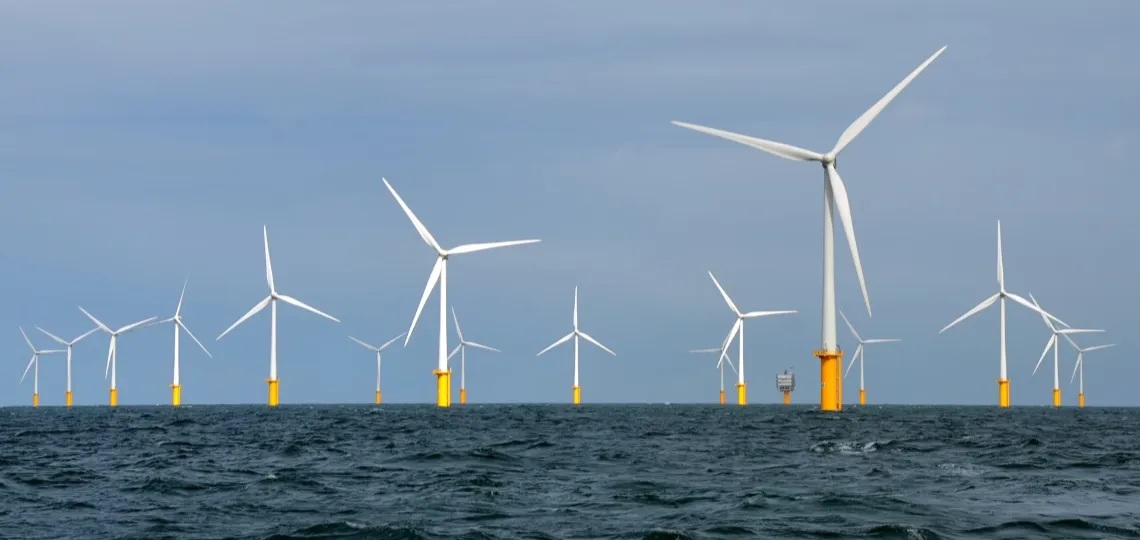
Nine European governments are set to meet in Hamburg to formalize their shared ambitions for offshore wind. According to a draft declaration seen by Reuters, these countries reaffirm their target of 300 gigawatts (GW) of offshore wind capacity by 2050. This announcement comes as Donald Trump called wind turbines “losers” at the World Economic Forum in Davos, claiming without providing evidence that their development causes financial losses for the countries involved.
A Target of 100 GW in Cross-Border Projects
The United Kingdom and participating European Union (EU) member states would commit to achieving up to 100 GW through joint cross-border projects. Germany, Denmark, Belgium, France, Ireland, Luxembourg, the Netherlands and Norway are among the expected signatories. The document states that expanding offshore renewable energy would contribute to ensuring a stable, secure and affordable energy supply.
The declaration also mentions expected economic benefits. Offshore wind development would stimulate local value creation, strengthen industrial competitiveness and generate jobs, according to the text. The signatory governments emphasize the strategic autonomy that this expansion would provide.
Enhanced Financing Mechanisms
The draft declaration provides for intensified financing efforts for wind projects. Governments would consider guarantees from the EU budget. Subsidy mechanisms such as contracts for difference, which ensure a steady revenue stream for operating power plants, would also be deployed.
These commitments come amid a challenging context for the sector. Higher costs of capital and components have led to failed wind farm auctions in several North Sea countries. The European wind industry faces structural challenges that complicate the achievement of stated targets.
Wind and Solar Surpass Fossil Fuels
Wind and solar power produced more electricity than fossil fuels in the EU for the first time last year. This development illustrates the bloc’s continued shift towards low-carbon energy, despite resistance from some governments. The Hamburg declaration aims to accelerate this movement through increased coordination between states.