Offshore Wind Zone in Tasmania: 20 GW Capacity Approved
Australia designates a new 7,100 km² zone in the Bass Strait for offshore wind development. With a potential of 20 GW and strict feasibility criteria, the project aims to meet energy demands while adhering to environmental standards.
| Countries | Australie |
|---|---|
| Sector | Énergie Éolienne, Offshore |
| Theme | Permis et autorisations, Développement de projets |
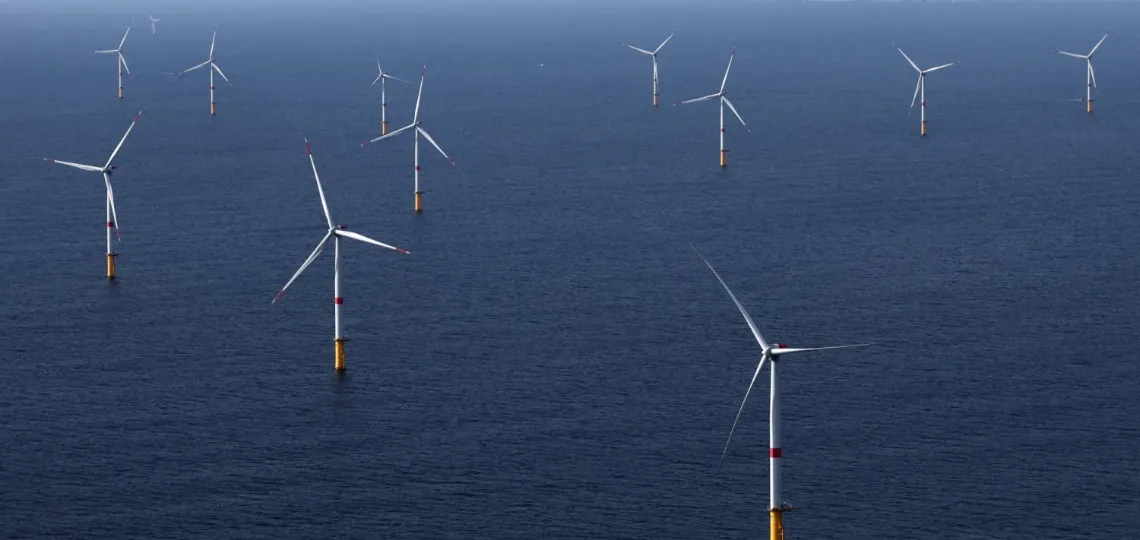
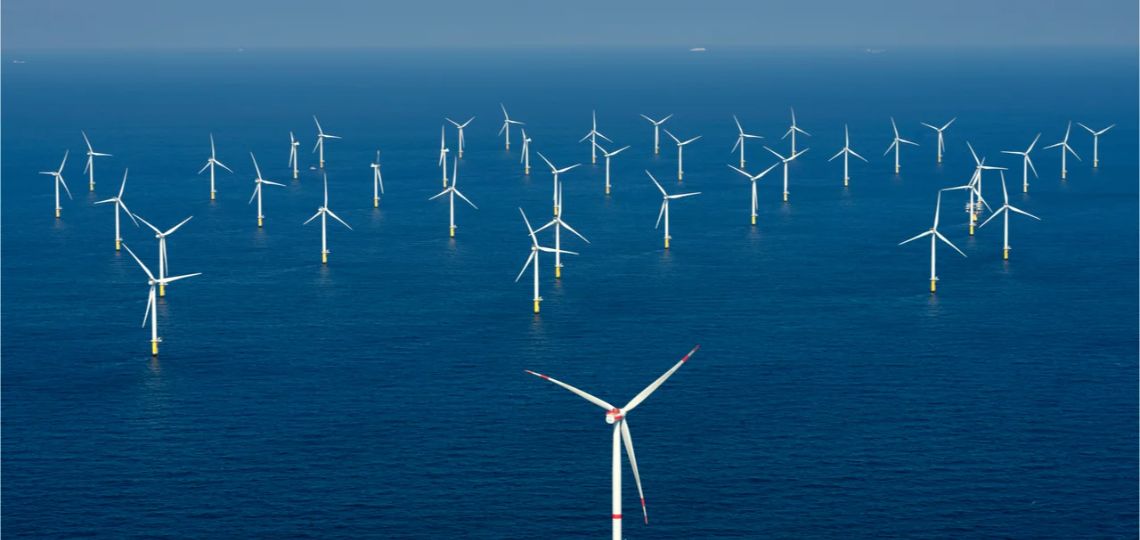
The Australian government has officially approved the designation of an offshore wind zone in the Bass Strait, north of Tasmania. Spanning 7,100 km², this area is located at least 30 km from the coast and has an estimated production potential of 20 GW, representing more than 50% of the current electricity demand in southeastern Australia.
A Clear Regulatory Framework
Interested developers must submit applications for feasibility licenses by March 12, 2025. These licenses will be awarded based on several criteria:
– Local benefits: Tangible contributions to the Tasmanian economy and local employment.
– Environmental commitment: Compliance with standards set by the National Offshore Petroleum Safety and Environmental Management Authority (NOPSEMA).
– Community engagement: Active involvement of local stakeholders.
The initial size of the designated zone was reduced by 30% after consultations with fishermen, unions, and local communities. A navigation corridor has also been included.
Economic and Environmental Impacts
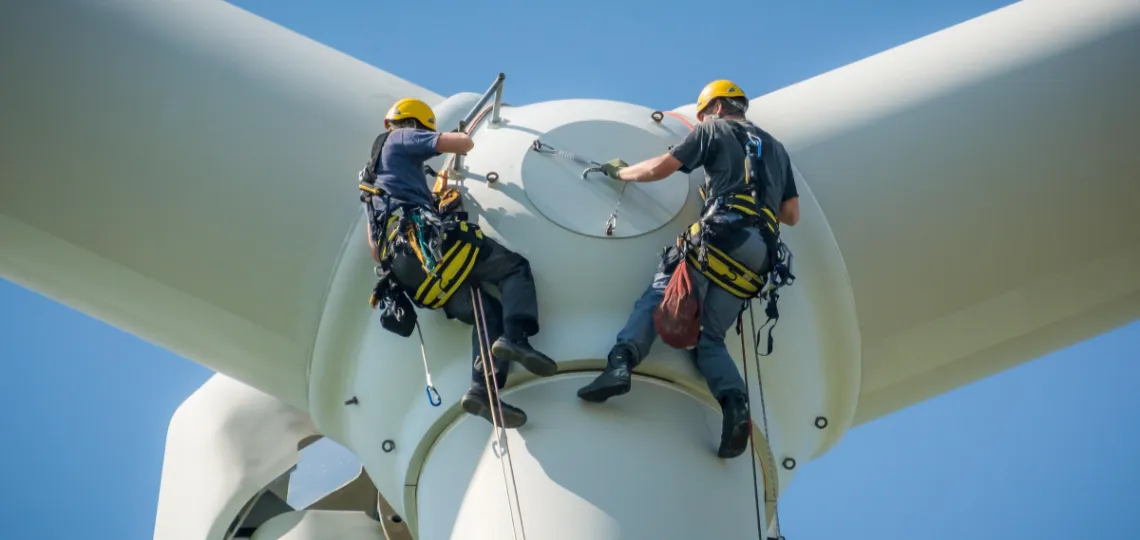
The project is expected to generate 12,000 jobs during construction and 6,000 permanent positions for operations, spanning sectors such as engineering, logistics, and maintenance. Emphasis has been placed on creating local supply chains, supported by existing infrastructure like the TasNetworks grid.
However, concerns remain about potential impacts on migratory species, such as albatrosses and whales. Conservation groups are calling for enhanced monitoring to mitigate these risks.
Strategic Advantages
With a capacity of 20 GW, this zone represents a strategic opportunity for Australia. Beyond meeting domestic demand, it could bolster green energy exports to the Asia-Pacific region. Investors also benefit from subsidies and carbon credits under national decarbonization initiatives.
The high initial costs are offset by a recovery period estimated at 8 to 12 years, facilitated by declining technology costs and rising demand for renewable energy.