Paris Confident EU Review of France's Six Nuclear Reactors Will Proceed Quickly
A French energy ministry official says the European Commission's state aid investigation into six new nuclear reactors will not delay the projects.

| Energy Plan | — |
|---|
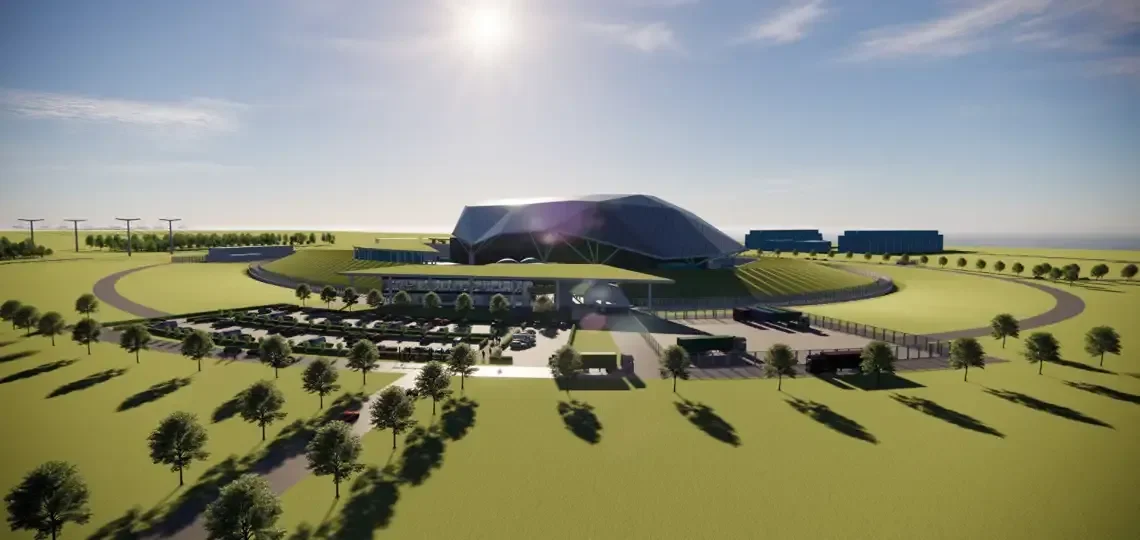
The European Commission is expected to issue an initial declaration opening an investigation into French state aid for six new nuclear reactors by the end of March, according to an official at France's energy ministry. The move marks the formal start of Brussels' review of a programme whose cost could reach tens or even hundreds of billions of euros. Paris says the procedure should not delay the projects. The programme provides for 10 gigawatts (GW) of additional capacity, with the first reactor expected to enter service in 2038. These new units are part of the six EPR2 reactors confirmed by France for fleet renewal and are designed to replace ageing installations.
An Accelerated Review Based on Validated Precedents
The French official grounded his confidence in the speed of the process on its similarity to models already approved by the Commission, notably the one used to finance the development of two reactors in the Czech Republic. "We are confident we are still on time", he said. EDF, the state-controlled electricity producer, will make its final investment decision in the second half of the year. The European Commission, whose international nuclear strategy has faced recurring criticism, will need to rule on whether the French scheme complies with European state aid rules.
The anticipated rise in electricity demand is one of the justifications put forward by Paris for the renewal programme. The new nuclear capacity aims to secure energy supplies in the face of demand driven in part by the growth of data centres. The reactors would replace end-of-life installations, ensuring continuity of electricity supply in the coming decade.
EDF's Dominant Position and the Austrian Legal Risk
The European investigation also raises structural questions about the French electricity market. EDF currently accounts for more than 75% of France's net electricity production. Brussels fears that the six new plants would further consolidate the dominant position of the state-owned company. A thorough investigation would also allow the Commission to build a solid case against a potential legal challenge.
According to some EU officials, a legal action by Austria — whose government opposes nuclear power — against the Commission for approving the aid scheme appears likely. This prospect fits into a broader international dynamic: the global nuclear industry awaits several decisive milestones in 2026, giving the European decision a significance that extends beyond France's borders. The nuclear fleet renewal programme represents one of the most ambitious public commitments in Europe in several decades.