Sanctioned Russian Tanker Carrying 730,000 Barrels of Crude Heads for Cuba
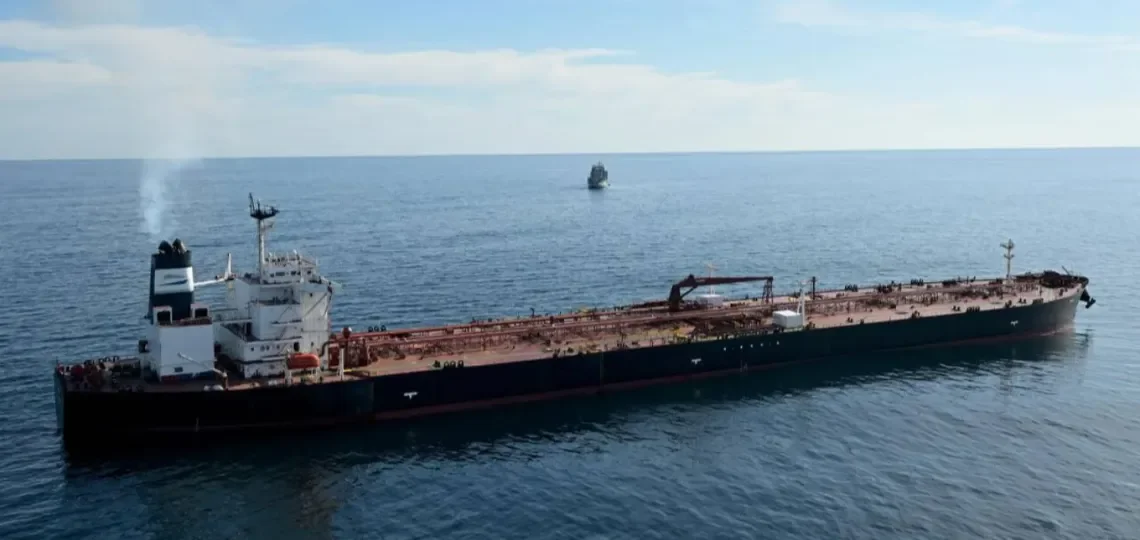
The Anatoly Kolodkin, a US-sanctioned Russian tanker carrying 730,000 barrels of crude, is set to dock in Cuba, defying Washington's blockade as the island has had no oil imports since January 9.
| Sectors | Oil, Transport & Storage |
|---|---|
| Themes | Policy & Geopolitics, Energy Security, Regulation & Governance, Regulation |
| Countries | Cuba, Russia, United States, Venezuela, Mexico |
The Anatoly Kolodkin, a Russian oil tanker under US sanctions carrying 730,000 barrels of crude, was tracking north along Cuba's coastline Sunday evening toward the port of Matanzas in the island's northwest, according to maritime tracking site MarineTraffic. The vessel was moving at approximately 13 knots (24 km/h) after rounding the island's eastern tip. Its arrival, initially expected Monday, was revised to Tuesday by the platform. The tanker loaded its cargo at the Russian port of Primorsk on March 8, before being escorted through the English Channel by a Russian Navy vessel — the two ships parting ways upon entering the Atlantic, according to the British Navy.
An Island Without Oil Imports Since the Start of the Year
Cuba lost its main regional supplier in January when US forces captured Venezuelan President Nicolás Maduro. Caracas had been the island's primary fuel supplier for 25 years. As regional oil flows are reorganized, international majors are reassessing their exposure: Chevron, Shell and ExxonMobil are weighing the risks of costly engagement in Venezuela. Cuba has had no oil imports since January 9, when Mexico made its last delivery before halting shipments under pressure from the White House.
Home to nearly 10 million people, the island endures power cuts lasting over 20 hours. The country has recorded at least seven nationwide blackouts since the start of 2024, including two in March 2026. President Miguel Diaz-Canel has imposed strict fuel rationing, drastically reduced public transportation, and forced some airlines to suspend flights to Cuba. Fuel prices have surged.
Weeks Before the Fuel Reaches Consumers
Jorge Piñón, a Cuban energy sector expert at the University of Austin, Texas, says that once the cargo arrives, processing the crude will take 15 to 20 days, followed by another 5 to 10 days to distribute the refined products. The Anatoly Kolodkin's cargo could yield 250,000 barrels of diesel, according to this former oil industry executive. That quantity would cover the country's demand for approximately 12.5 days.
The Cuban government will have to decide whether to direct the fuel toward backup power generators or the buses, tractors, and trains needed to keep the economy running. "The urgent need in Cuba today is diesel," Piñón said. The expert added that he was surprised Washington had not attempted to intercept the tanker, arguing that once the vessel entered Cuban waters, "it will be almost impossible for the US government to stop it."
Washington Oscillates Between Rhetorical Tolerance and Maintained Sanctions
US President Donald Trump said Sunday he had no objection to oil being sent to Cuba. "If a country wants to send oil to Cuba right now, I have no problem with that, whether it's Russia or not," he said, adding that "Cuba is done" and that a fuel delivery "won't matter." The New York Times had previously reported that the US Coast Guard was allowing the tanker to proceed to the island, citing an anonymous US official.
On March 19, the US government had nonetheless clarified that Russian hydrocarbons could not be delivered to Cuba or North Korea, even after the recent easing of certain sanctions against Russian oil. That crude continues to find other markets: Philippine refinery Petron acquired 2.48 million barrels of Russian crude. Separately, the Sea Horse, a Hong Kong-flagged tanker initially reported to be carrying Russian diesel to Cuba, entered Venezuelan waters, according to data from analytics firm Kpler.
Moscow-Havana Ties Deepened Since the Ukraine Offensive
On March 20, the Kremlin said it was discussing with Cuba ways to help the island, declining to comment on reports of a secret Russian diesel delivery. Moscow and Havana have cooperated closely since the Soviet era and have deepened their relationship since Russia launched its full-scale offensive against Ukraine in 2022. The dispatch of the Anatoly Kolodkin illustrates Russia's ability to maintain supply corridors despite Western restrictions.