Trump extends Iran ultimatum as oil rebounds to $100 per barrel
After Trump extended his Iran ultimatum by five days, markets rebounded on Tuesday. Brent crude reached $100.94 per barrel as central banks signal renewed interest in gold purchases.
| Countries | Iran, États-Unis, Japon, Australie |
|---|---|
| Companies | Société Générale, GAMA Asset Management, Pepperstone |
| Sector | Pétrole, Transport stockage |
| Theme | Politique & Géopolitique, Sécurité énergétique |
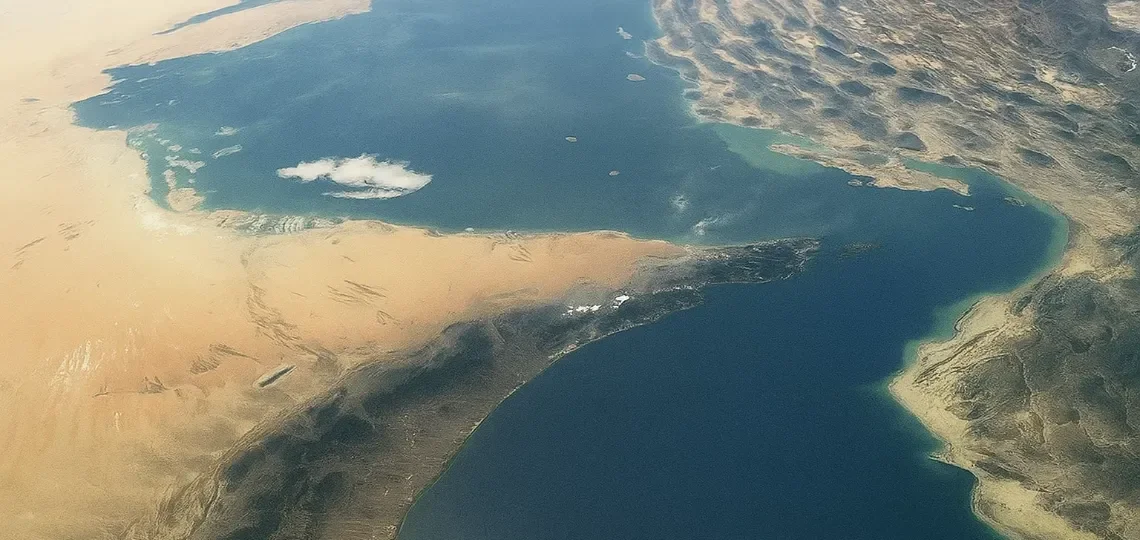
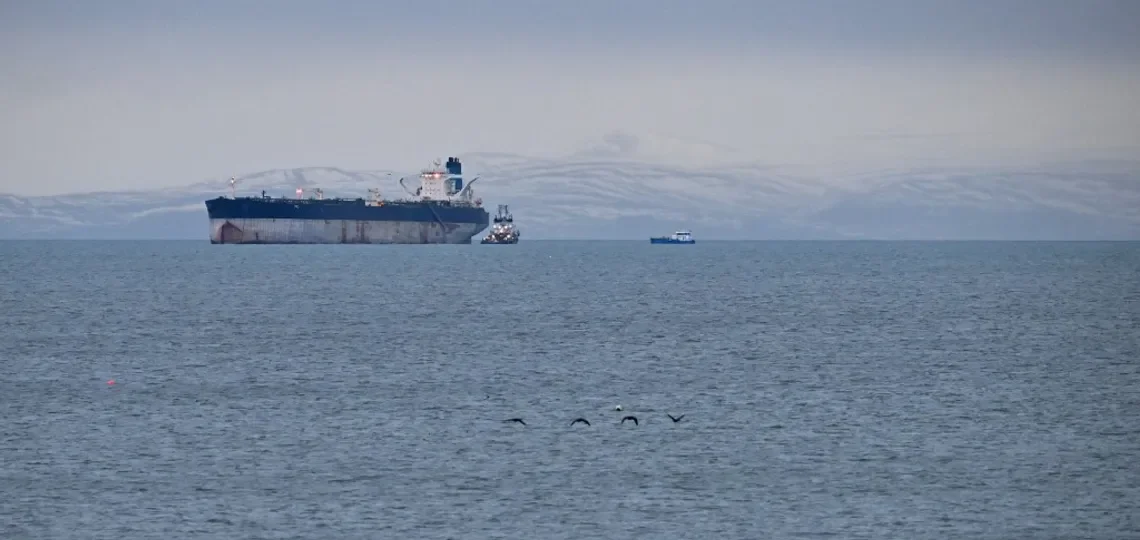
Donald Trump extended by five days his ultimatum to Iran to reopen the Strait of Hormuz, citing "constructive" talks with unidentified Iranian officials — a claim Tehran denied. The move was enough to reverse the panic seen in global markets the day before. Brent crude futures recovered 1% to $100.94 per barrel, while U.S. oil (WTI) climbed 1.9% to $89.84. These gains followed a 10% drop in the previous session.
A fragile rebound amid persistent tensions
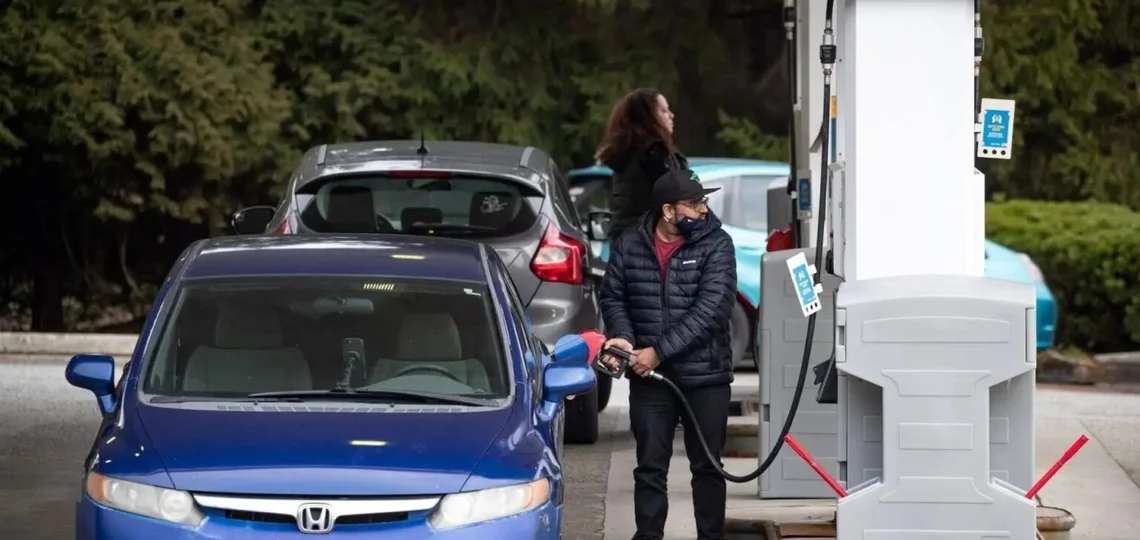
Volatility remains elevated despite the temporary reprieve. Chris Weston, head of research at Pepperstone, warned that "price action could continue to be choppy until Friday's new deadline." Investors must assess whether the extension brings a deal closer or simply prolongs uncertainty. Rajeev de Mello, chief investment officer at GAMA Asset Management, doubts Washington wants oil at $150. "I don't believe that the U.S. government wants to see oil priced at $150, because they caused it themselves," he said. Analysts note that oil at $100 per barrel already represents a significant price shock for American consumers.
Asian equity markets benefited from the easing of immediate fears. The MSCI Asia-Pacific index outside Japan rose 1.3%, while Australian shares gained 0.7%. Japan's Nikkei advanced over 2%, reversing most of Monday's 3.5% decline. U.S. futures were little changed from Monday's closing cash session.
Bond markets and currencies stabilize
U.S. Treasury yields stabilized after a steep fall the day before, in line with the decline in global bond yields. Investors scaled back their bets on aggressive rate hikes by major central banks. The two-year yield held at 3.8498%, after falling by more than 6 basis points in the previous session. The benchmark ten-year rate stood at 4.3400%. Market expectations for European Central Bank (ECB) rate increases also declined, according to Kit Juckes, head of FX strategy at Societe Generale.
The U.S. dollar retreated as risk appetite returned. The euro traded at $1.1603, up 0.4% overnight. Sterling held at $1.3420, its highest level in two weeks. The dollar rose 0.04% against the yen to 158.54. Data released Tuesday also showed Japan's core consumer inflation fell below the Bank of Japan (BoJ)'s 2% target in February for the first time in nearly four years, complicating the case for future rate increases.
Central banks return to the gold market
Shaokai Fan, global head of central banks at the World Gold Council (WGC), said Tuesday that institutions that had been "absent" from the market are expected to resume gold purchases in response to geopolitical and dedollarization risks. He cited the recent examples of Guatemala, Indonesia and Malaysia, which have all purchased gold — either after a long break or for the very first time. "We've seen a phenomenon in the past few months, where new central banks or central banks who have been inactive for a while, enter the gold market," he said on the sidelines of Minerals Week in Canberra. Fan expects the trend to continue well into 2026.
He noted, however, that central bank demand for gold may be declining, as higher prices deter new purchases and increase the weight of existing gold holdings relative to total reserves. The WGC expects central banks' gold purchases to reach 850 tons this year, down from 863 tons in 2025, even though the level remains high compared to pre-2022 standards. These acquisitions accounted for around 17% of total gold demand last year. Spot gold rose 0.6% to $4,431.65 on Tuesday, after falling by over $1,000 per troy ounce this month. Its all-time high was set at only a few dollars shy of $5,600 at the end of January.