Trump Supports Venezuela Staying in OPEC Despite American Takeover
The American president believes it would be preferable for Caracas to remain a member of the oil cartel, while acknowledging he does not know if this position benefits the United States. This statement comes as Washington seeks to control Venezuelan oil resources.
| Countries | Irak, Arabie Saoudite, États-Unis |
|---|---|
| Sector | Pétrole |
| Theme | Politique & Géopolitique |
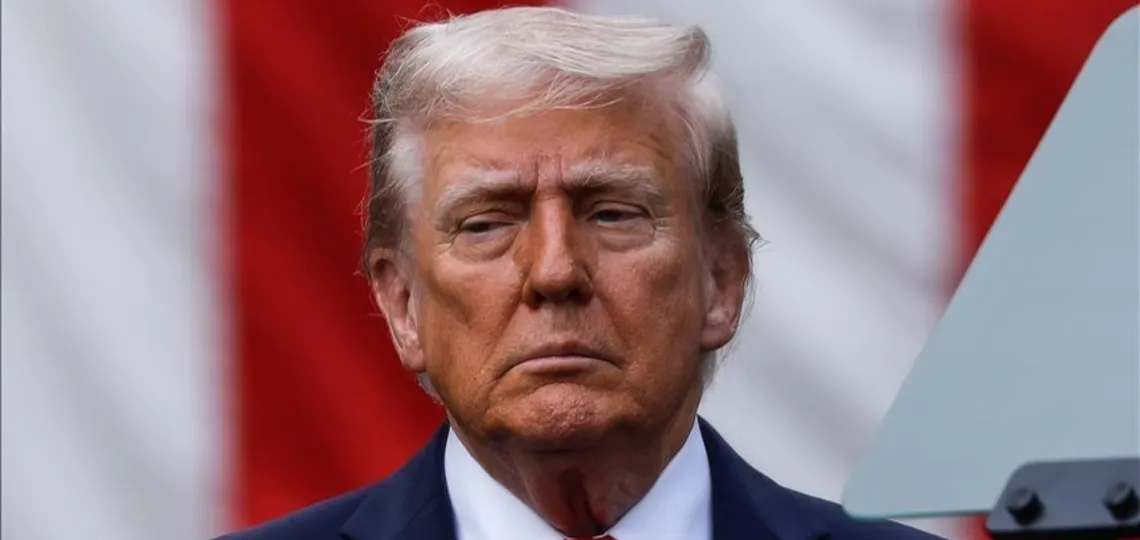
Donald Trump stated that it would be preferable for Venezuela to remain within the Organization of the Petroleum Exporting Countries (OPEC). The American president, however, nuanced his remarks by indicating he was not certain this option would benefit American interests. He specified that this issue had never been discussed with Venezuelan authorities.
A Founding Member with Considerable Reserves
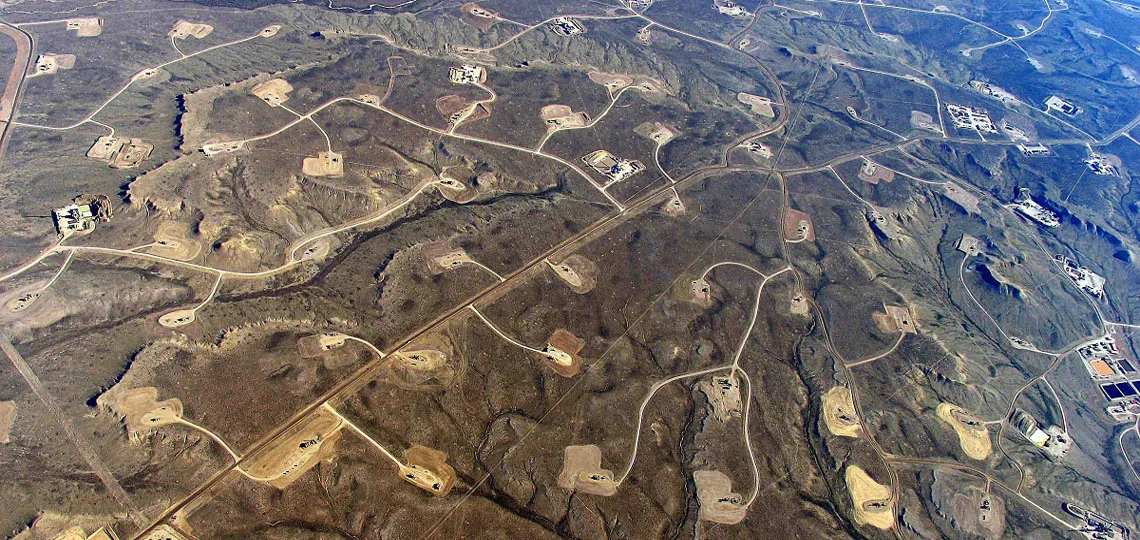
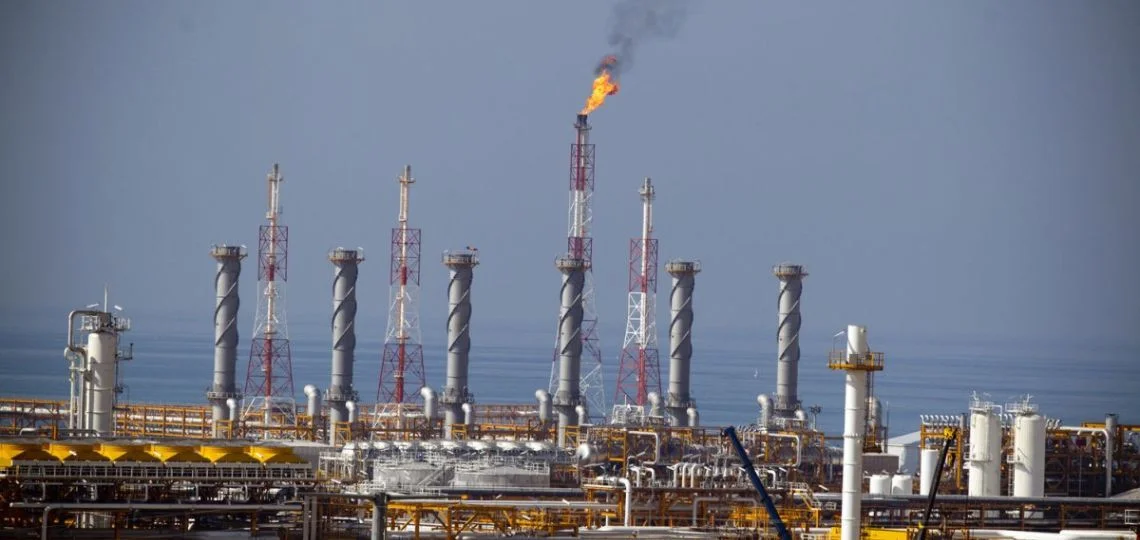
Venezuela is among the founding members of the oil cartel and holds some of the largest crude reserves in the world. The country’s production has, however, experienced a marked decline in recent years. Economic turmoil and international sanctions explain this contraction. The Trump administration is now attempting to take control of Venezuelan oil supply following the ousting of President Nicolas Maduro earlier this month.
Washington announced its intention to control Venezuela’s oil resources indefinitely. This strategy would aim to rebuild the country’s oil industry while maintaining pressure on the Caracas government. When asked about the possible obligation for Venezuela to comply with OPEC production quotas under American oversight, Trump deemed the question premature and beyond his purview.
Potential Tensions with the Cartel
American control of Venezuela’s oil industry could put Caracas at odds with other OPEC members. Future investments aimed at increasing production capacity could also create friction. OPEC functions as a coalition of producing nations that coordinate their supply policies to stabilize the market. Members reduce their production when prices fall and increase it when demand warrants.
Saudi Arabia exercises de facto leadership over the group, despite a collective decision-making process. This preeminence is explained by its dominant production capacity and its ability to adjust global supply. White House advisors indicated that Venezuela’s continued membership in OPEC had not been the subject of discussions at this stage.
A Contested Quota System
OPEC’s quota system limits the production of certain members to support global oil prices. Iraq, Nigeria, and Angola have expressed their discontent in the past, as these restrictions prevent them from fully exploiting their reserves or meeting their national fiscal needs. The issue could become sensitive if the Trump administration sought to increase Venezuelan production while OPEC attempted to limit supply to maintain prices.