Vattenfall Approves Final Investment for 1.6 GW Nordlicht Offshore Wind Project in Germany
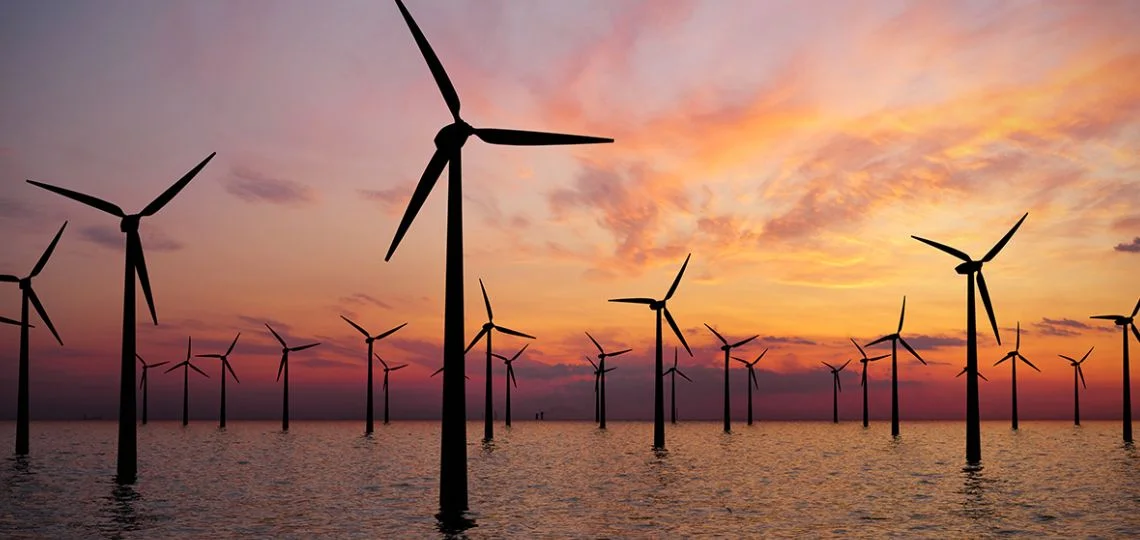
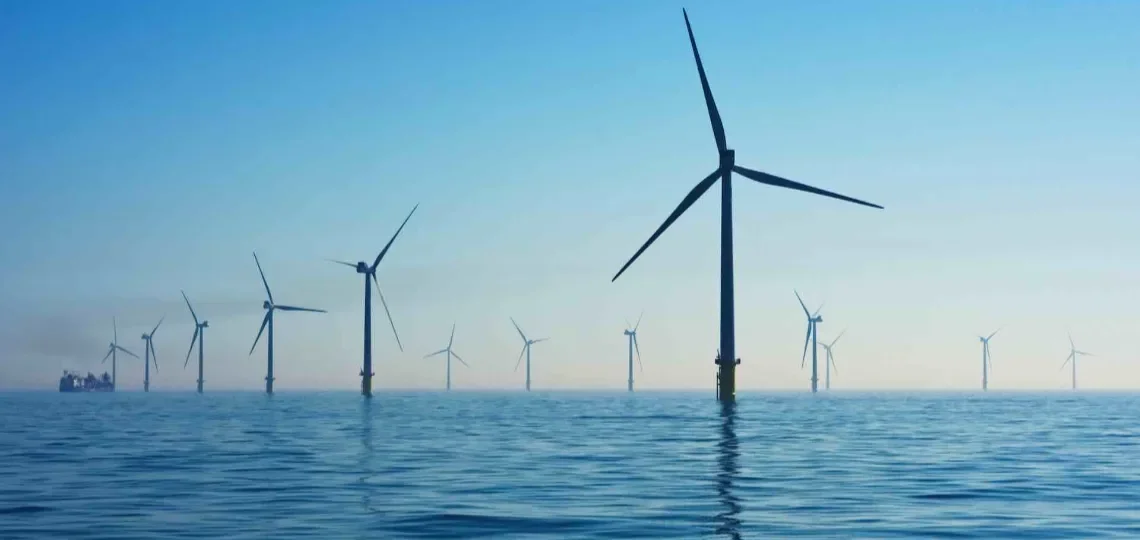
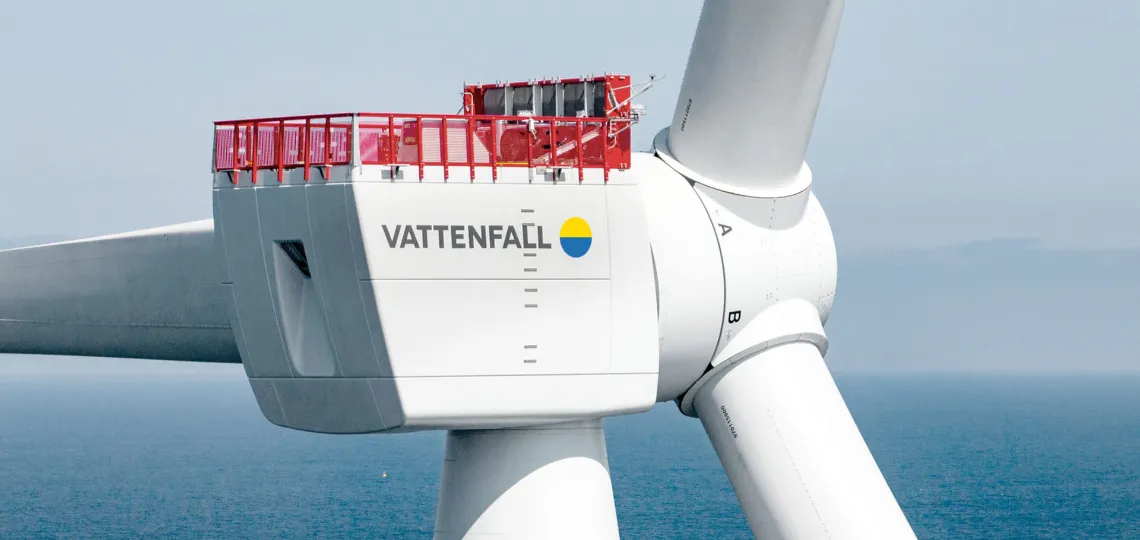
Swedish group Vattenfall has made the final investment decision for the Nordlicht offshore wind cluster, which will become Germany’s largest offshore wind project with a net capacity exceeding 1.6 GW.
| Countries | Allemagne, Pays-Bas |
|---|---|
| Companies | Copenhagen Infrastructure Partners, Vattenfall |
| Sector | Énergie Éolienne |
| Theme | Investissements & Transactions |
The permit for the Nordlicht II offshore wind farm, issued by the Federal Maritime and Hydrographic Agency (Bundesamt für Seeschifffahrt und Hydrographie, BSH), is now irrevocable. This confirmation allows Vattenfall to finalize the Final Investment Decision (FID) for the entire Nordlicht cluster, comprising Nordlicht I and Nordlicht II. Construction of both wind farms is expected to begin in 2026, according to the company.
Nordlicht I, Germany’s Future Largest Offshore Wind Farm
Nordlicht I will become Germany’s largest offshore wind project, according to Vattenfall. Monopile installation for Nordlicht I is scheduled to start in the third quarter of this year, while Nordlicht II will follow approximately one year later. Both wind farms are expected to be operational in 2028, with a combined net capacity exceeding 1.6 GW.
In March 2025, Vattenfall took a full FID for Nordlicht I and a conditional FID for Nordlicht II, pending receipt of the necessary permit. In October 2025, the company obtained planning approval for Nordlicht II from the BSH. The irrevocable permit announced removes that condition and confirms full FID for the entire cluster.
Reducing Turbine Carbon Footprint
As part of its environmental commitments, Vattenfall indicates that both wind farms will feature turbine towers partially made with low-emission steel. This approach would reduce the overall carbon footprint by 16 percent, according to data provided by the company.
Vattenfall positions itself among the major players in offshore wind energy in Europe. Last year, the group, in partnership with Copenhagen Infrastructure Partners (CIP), secured an irrevocable permit for the Zeevonk offshore wind farm in the Netherlands. This project would have an installed capacity of 2 GW and is designed to produce green hydrogen for Dutch industry.
Industrial and Energy Challenges
The Nordlicht cluster aligns with Germany’s industrial decarbonization and energy transition objectives. The planned commissioning of both wind farms in 2028 could strengthen decarbonized electricity production in Germany. These developments come as several European countries accelerate their offshore wind programs to reduce dependence on fossil fuels.