Venezuela: Oil Production of 930,000 Barrels Per Day Despite 300 Billion in Reserves
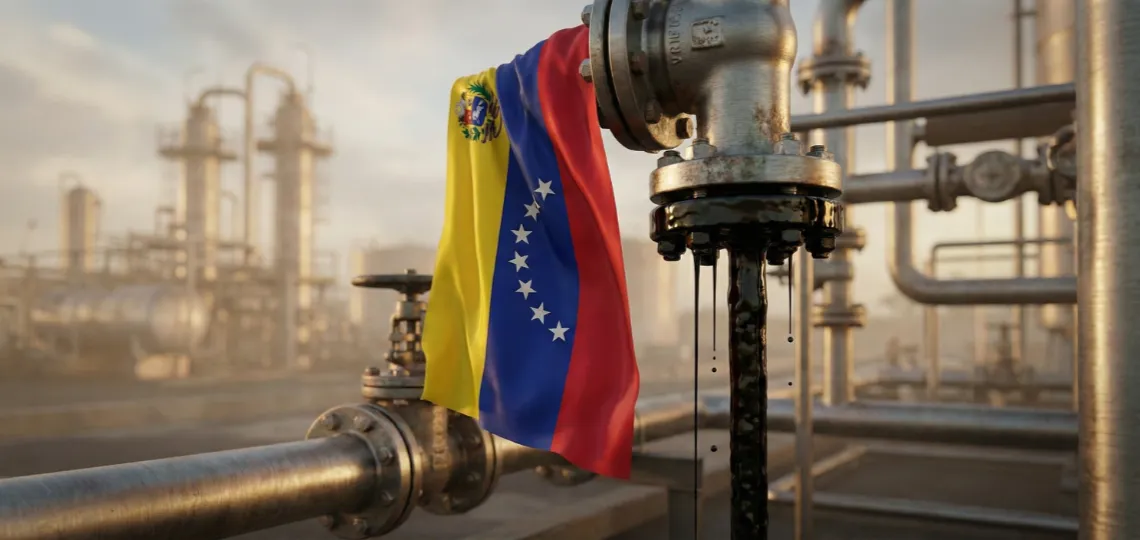
The Venezuelan oil sector illustrates a major paradox between colossal reserves and structurally declining production. Infrastructure and institutional constraints limit short-term recovery prospects.
| Countries | Canada, Chine, États-Unis |
|---|---|
| Companies | OPEP, Chevron, PDVSA |
| Sector | Pétrole |
| Theme | Politique & Géopolitique |
Venezuela holds proven reserves estimated at 300 billion barrels according to the Organization of the Petroleum Exporting Countries (OPEC), theoretically making it one of the world’s leading holders of oil resources. The Orinoco Oil Belt (Faja Petrolífera del Orinoco) alone contains 281 billion barrels of heavy and extra-heavy crude. Conventional light and medium oil reserves, estimated at approximately 20.3 billion barrels, remain comparatively limited but strategically critical for commercializing heavy production.
A Marked Asymmetry Between Reserves and Production
Venezuelan production averaged 930,000 barrels per day in 2025 according to OPEC secondary sources. This level represents a drastic drop from the 2015 peak, when total production reached approximately 2.5 million barrels per day. Heavy crude now accounts for approximately 75% of total production, compared to 50% in 2014-2015. This evolution reflects the progressive depletion of mature conventional fields in the Zulia and Monagas basins.
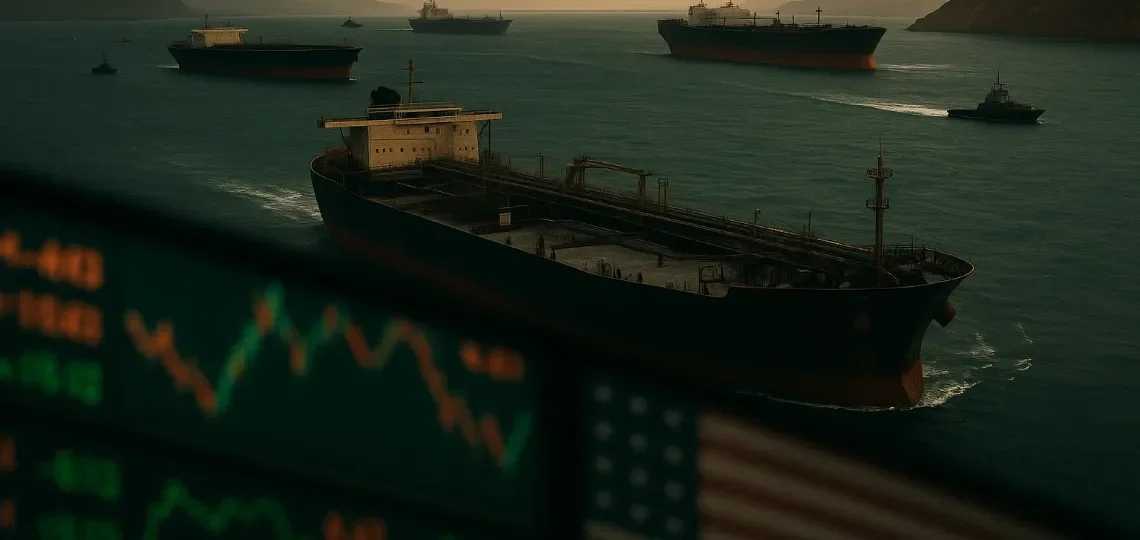
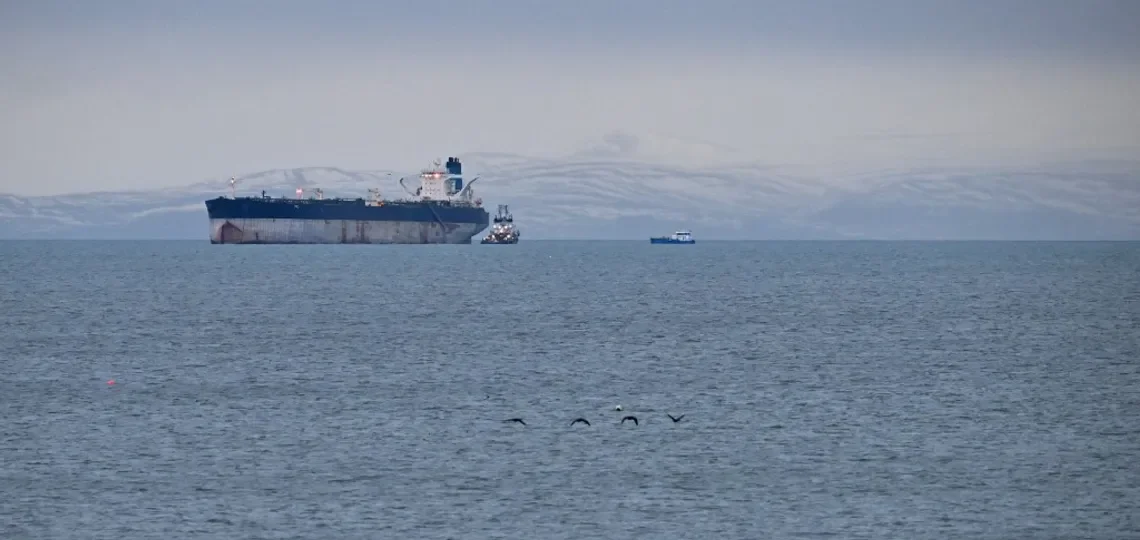
Exports reached approximately 800,000 barrels per day in 2025, their highest level since 2020, but remain 1.2 million barrels per day below 2015 volumes. China absorbs 51% of exported volumes, while the United States is limited to 130,000 barrels per day under Chevron-related authorizations. Floating crude stocks increased sharply, rising from less than 5 million barrels at end-2024 to nearly 20 million barrels at end-2025, with 66% located in Asia.
Deteriorated Infrastructure and Constraining Fiscal Framework
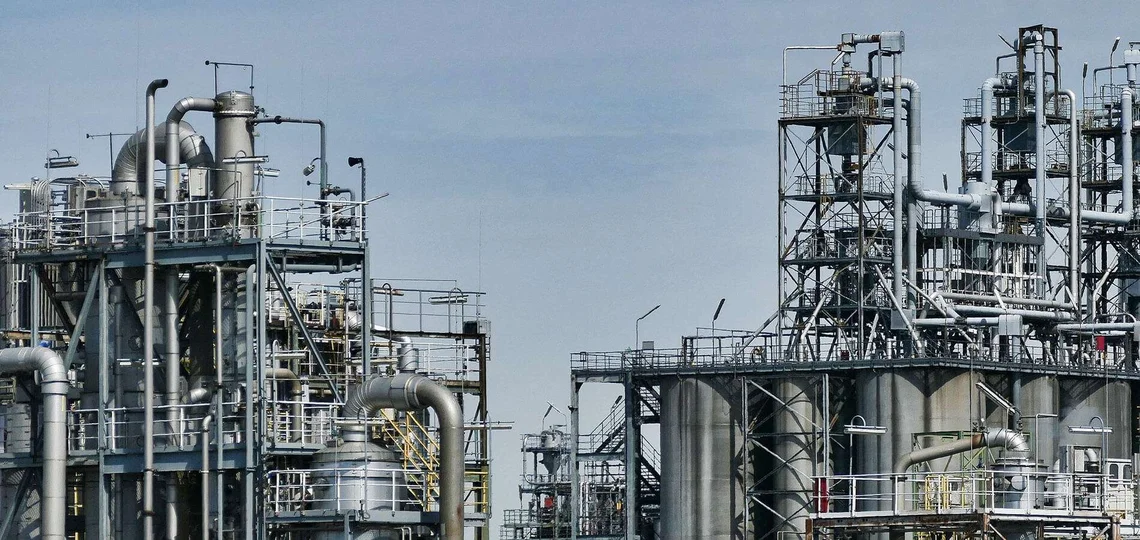
Two decades of underinvestment have left Venezuelan infrastructure in an advanced state of deterioration. The upgrading facilities at the José Complex frequently operate at reduced capacity. The country has virtually no active drilling rigs, and its pipelines, storage capacity, and port infrastructure suffer from chronic maintenance deficits. Electricity generation reportedly represents only 30% of recoverable thermoelectric and hydroelectric installed capacity under state control.
The fiscal framework remains regressive with government take often exceeding 70%, rendering many thermal enhanced oil recovery projects uneconomic. The Venezuelan economy, although stabilized after hyperinflation, reportedly represented only approximately 35% of its 2012 size by 2024. These macroeconomic and institutional constraints weigh on the sector’s attractiveness for international investors.
Implications for Regional Trade Flows
A reorientation of oil flows is taking shape at the continental level. Canadian exports to Asia have increased since the Trans Mountain pipeline expansion, with capacity now reaching nearly 900,000 barrels per day. Canadian exports to the Gulf of Mexico, standing at approximately 424,000 barrels per day in October 2025, could face increased competition if Venezuelan volumes are redirected to American refineries equipped to process heavy crude.
For China, the potential loss of Venezuelan crude remains manageable. Chinese imports from Venezuela averaged 320,000 barrels per day over the past five years, representing approximately 3% of total Chinese imports. Independent refiners in Shandong province, the main buyers of sanctioned crudes, would be the most exposed with 7 to 9% of their supplies affected. Chinese banks have lent approximately 50 billion dollars to Venezuela since 2007, with residual debt estimated at over 10 billion dollars.