Israel Restarts Leviathan Gas Field Operations Suspended Since Start of Conflict
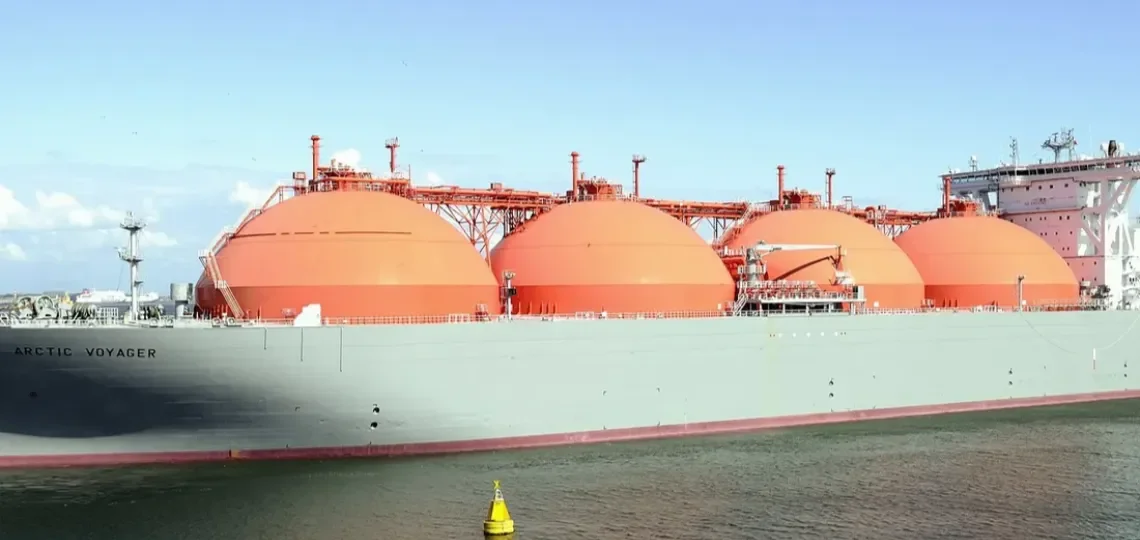
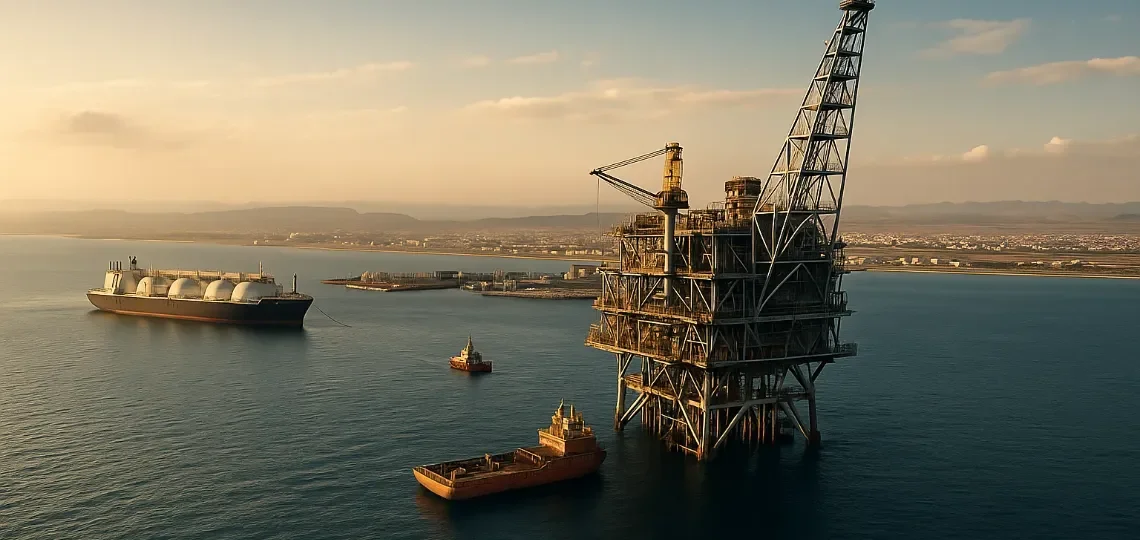
Israel has announced the restart of the Leviathan platform, one of the Mediterranean's largest gas fields, halted as a precaution against missile strikes since the outbreak of hostilities.
| Sectors | Gas, Natural Gas, Oil, Exploration & Production |
|---|---|
| Themes | Policy & Geopolitics, Energy Security |
| Companies | NewMed Energy, Chevron, Ratio Energies |
| Countries | Israel, Egypt, Jordan, Lebanon, Iran |
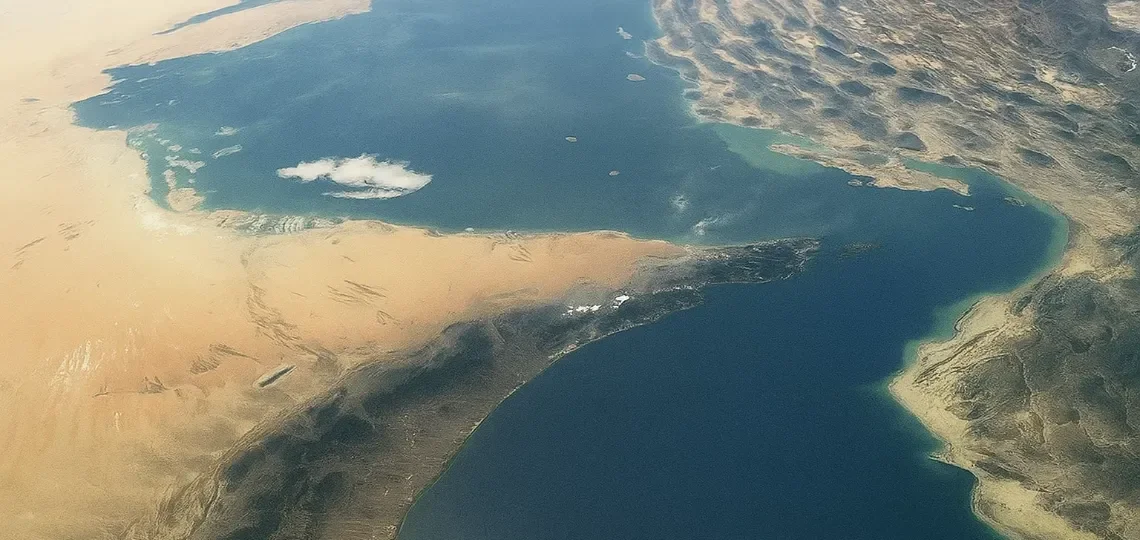
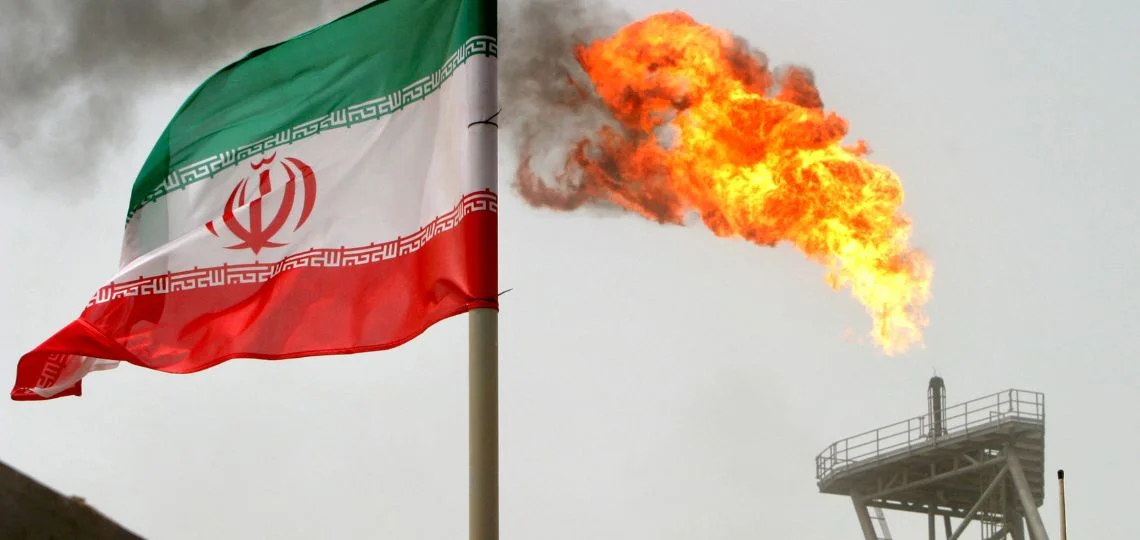
Israel's Ministry of Energy announced Friday the restart of the Leviathan platform, whose operations had been suspended as a precautionary measure since the start of the war triggered at the end of February following an Israeli-American offensive against Iran. "Following assessments of the situation (...), it has been decided at this stage to restart the Leviathan platform," the ministry said in a statement. The resumption comes as global energy markets face significant disruptions, notably due to Iran's control over the Strait of Hormuz. Israel had "relatively absorbed the shock" of these repercussions, according to the ministry.
A Field With Substantial Reserves in the Eastern Mediterranean
Discovered in 2010 and in production since 2019, Leviathan holds approximately 600 billion cubic meters of natural gas, making it one of the largest reserves in the Mediterranean, according to NewMed Energy. The platform is located approximately 130 kilometers off the coast of Haifa and serves as a crucial gas supply source for Israel, Egypt, and Jordan. It is held 45.34% by NewMed Energy (Delek Group), 29.66% by US group Chevron, and 15% by Ratio Energies. Against a broader backdrop of shifting Mediterranean gas flows, Algeria and Spain are strengthening their gas alliance around the MedGaz pipeline, highlighting the growing density of regional energy corridors.
Tamar Maintained, Karish Remains Halted
Since the start of hostilities, Israel had also suspended operations at the offshore Karish field, while keeping the Tamar field active, located further south and further from the maritime border with Lebanon. With an annual production of approximately 11 billion cubic meters, Tamar covers almost all of the country's domestic consumption, estimated at between 12 and 13 billion cubic meters. The Karish field remains halted. Geopolitical dynamics continue to reshape energy flows beyond the Middle East: Hungary is set to gradually reduce its gas supplies to Ukraine, signaling new reconfigurations in continental energy markets.