Wind and Solar Surpass Fossil Fuels in EU with 30% of Electricity Production in 2025
For the first time, the European Union produced more wind and solar electricity than fossil fuel electricity in 2025. Renewables reach 48% of the electricity mix, but rising gas pushes up the import bill by 16%.
| Countries | Allemagne, Italie, Pologne, États-Unis |
|---|---|
| Companies | Ember, AIE |
| Sector | Énergie Éolienne |
| Theme | Politique & Géopolitique |
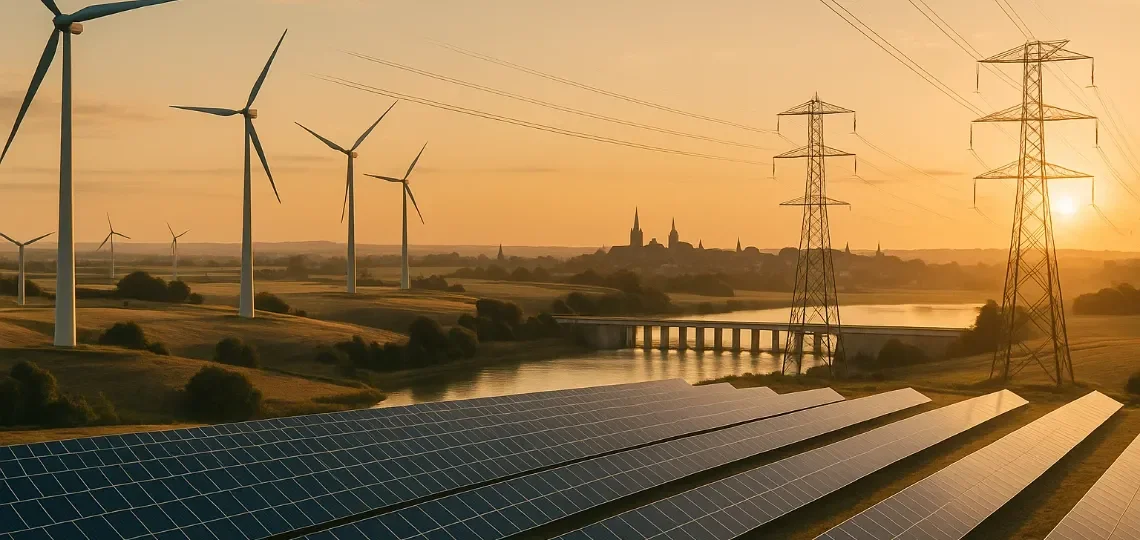
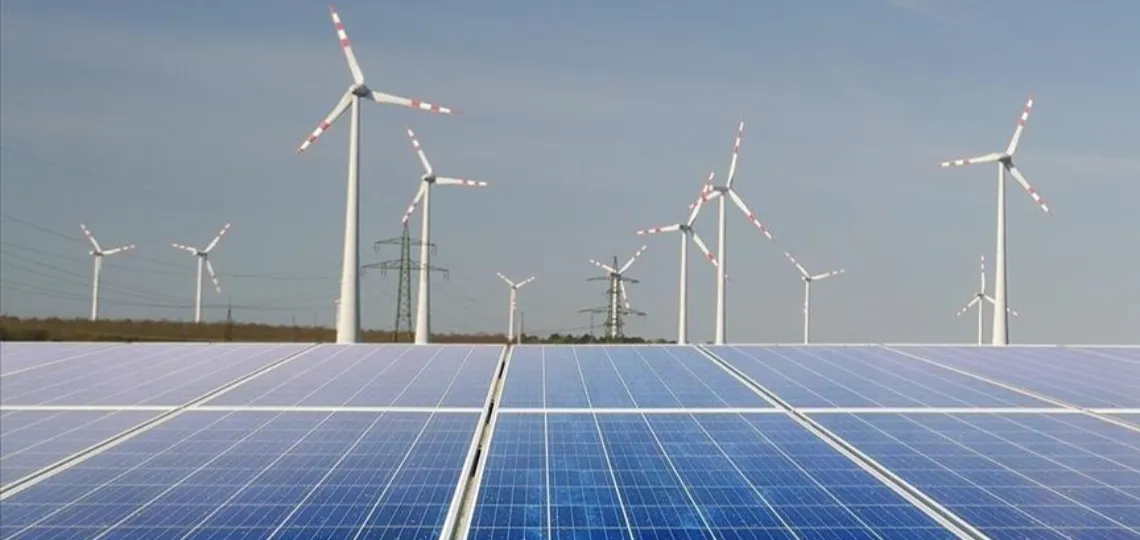
The European Union reached a milestone in 2025. According to the European Electricity Review published by think tank Ember, wind and solar energy generated 30% of electricity in the twenty-seven member states, compared to 29% for fossil fuels. This reversal marks a historic first for the European bloc. In five years, the share of wind and solar rose from 20% in 2020 to 30% in 2025, while fossil fuels fell from 37% to 29%.
Solar Grows 20% for the Fourth Consecutive Year
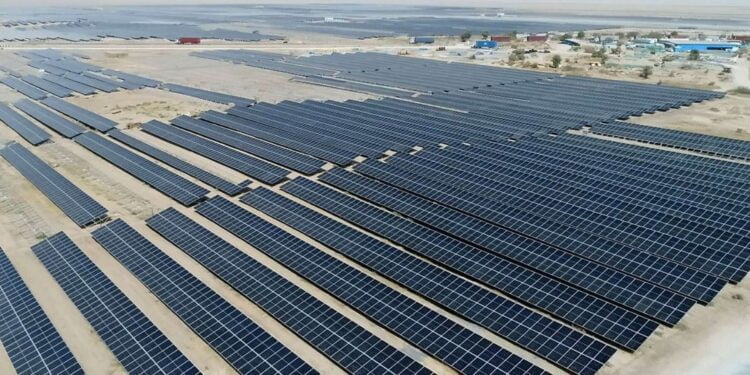
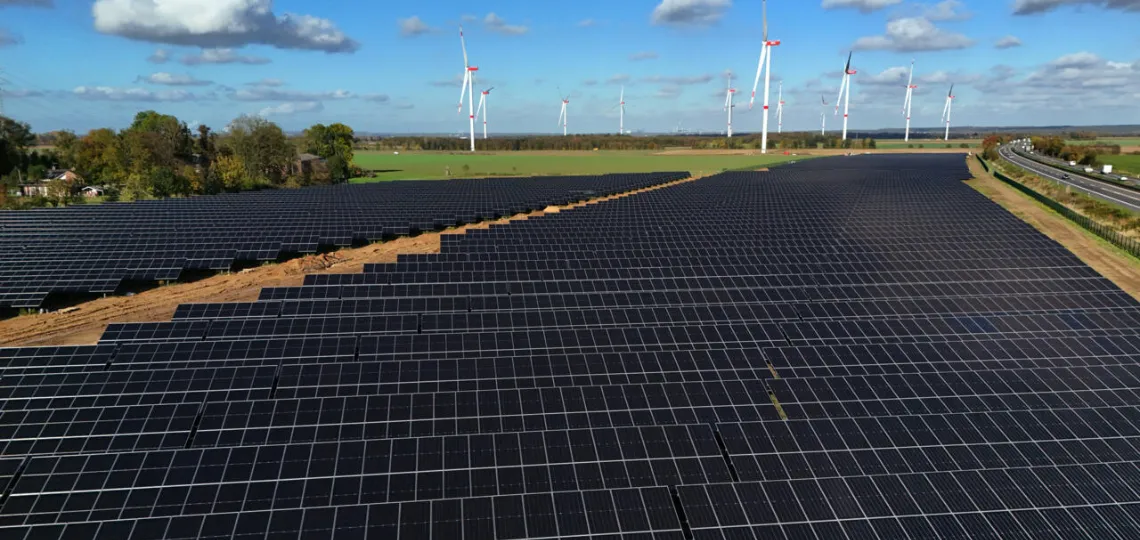
Growth is primarily driven by solar energy, which increased by 20.1% for the fourth consecutive year, according to Ember. Solar reached 13% of European electricity production, surpassing coal and hydropower. In Hungary, Cyprus, Greece, Spain and the Netherlands, this source now represents more than one-fifth of electricity produced.
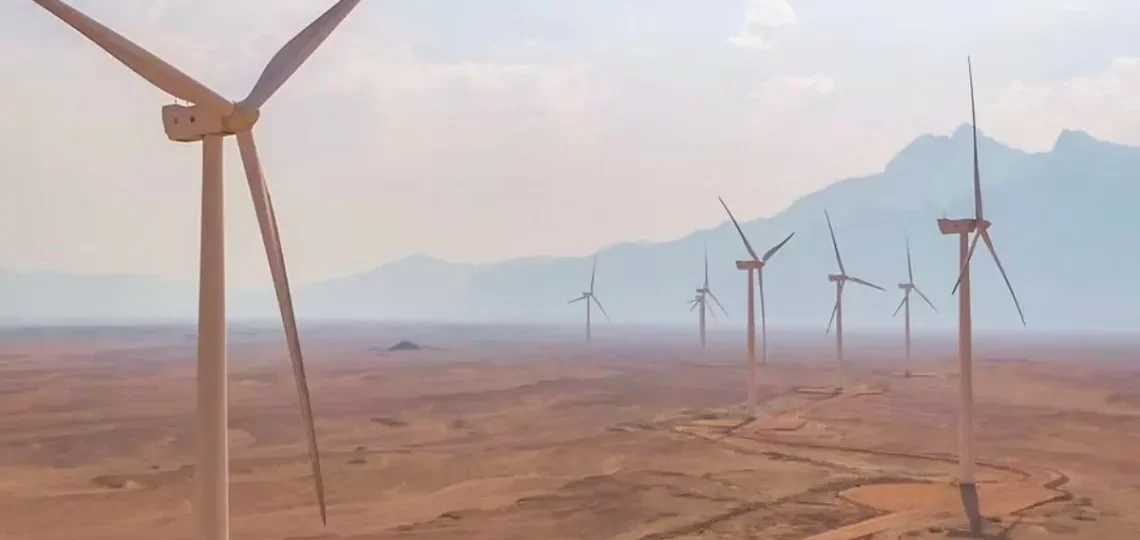
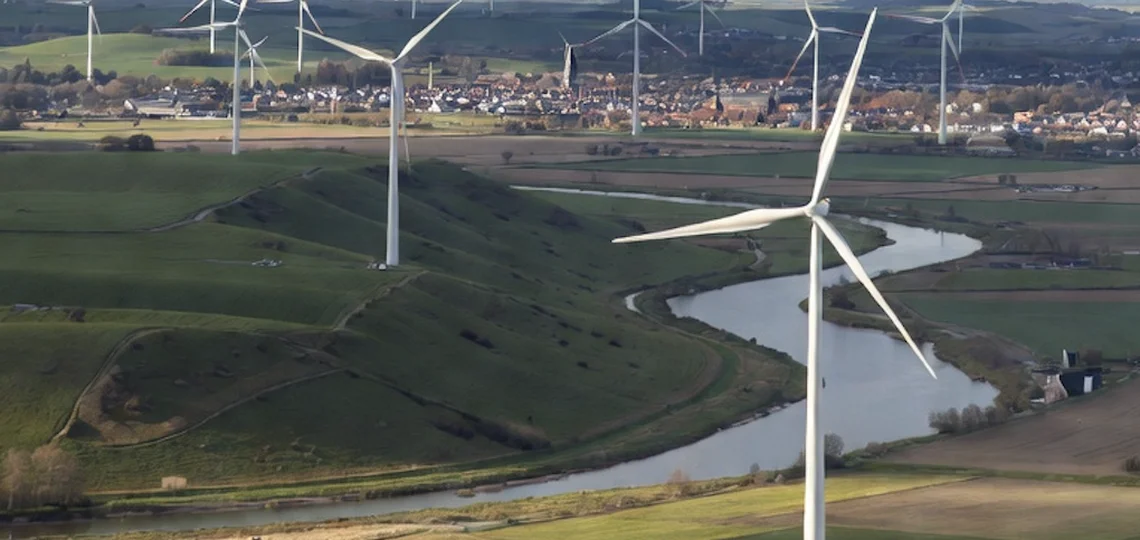
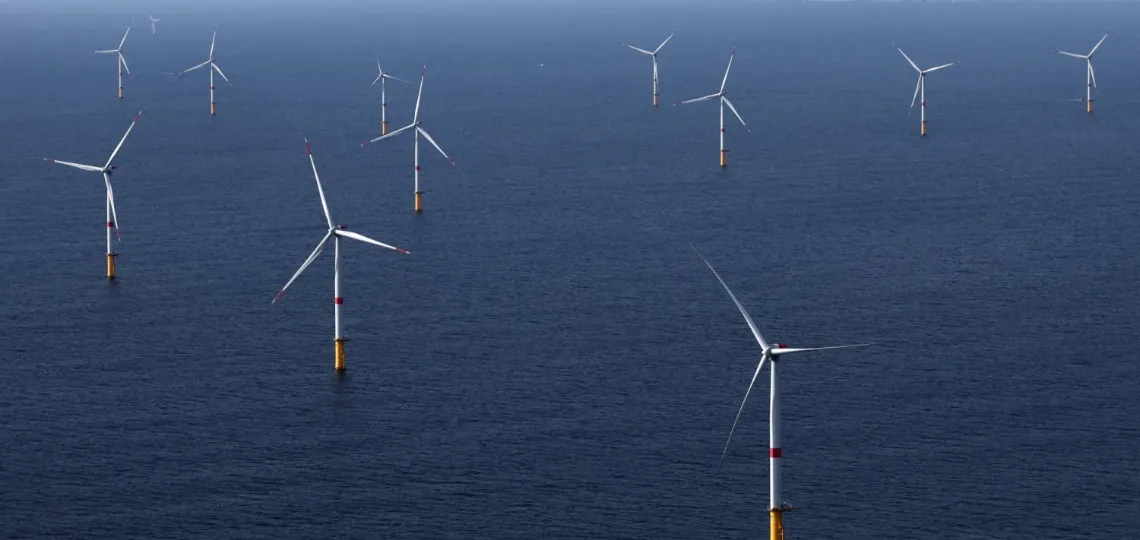
Wind fell by 2% due to less favorable weather conditions but remains the European Union’s second-largest electricity source at 17% of production, ahead of gas. Hydropower dropped by 12%. In total, renewable energies represent 48% of the European electricity mix in 2025.
Fourteen Countries Have Shifted to Wind and Solar
In fourteen of the European Union’s twenty-seven countries, wind and solar now generate more electricity than all fossil sources combined. Sweden crossed this threshold in 2010, followed by Denmark in 2015. France, Portugal, Spain and Austria shifted in 2023, then Germany in 2024 and the Netherlands in 2025. Italy, Greece, Poland and Ireland still produce more electricity from fossil fuels.
Coal continues its decline and reaches a historic low at 9.2% of production. Ten years ago, this source represented nearly a quarter of European electricity. In nineteen European Union countries, coal is now at zero or below 5%. Germany and Poland, the top European consumers, record historically low levels.
Gas Import Bill Climbs to 32 Billion Euros
Electricity production from gas increased by 8% in 2025, mainly due to falling hydropower output. Gas nevertheless remains 18% below its 2019 peak. This increase brings the European power sector’s gas import bill to €32 billion, a 16% rise compared to the previous year, according to Ember. This marks the first increase since the 2022 energy crisis. Italy and Germany bear the highest costs.
Hours of heavy gas use cause price spikes on electricity markets. The average price during these periods rose by 11% compared to 2024. The European Union remains dependent on imported gas, which supplies 16.7% of its electricity production.
Calls to Strengthen Energy Sovereignty
The think tank highlights the risks of energy blackmail from fossil fuel exporters. Dependence on Russian gas and pressure to source supplies from the United States are sources of concern amid trade tensions. Fatih Birol, Executive Director of the International Energy Agency (IEA), argued at the World Economic Forum in Davos that energy security should be elevated to a national security priority.
Beatrice Petrovich, author of the Ember report, identifies reducing dependence on imported gas as Europe’s next challenge. The think tank recommends increasing battery storage capacity, strengthening electricity grids and enhancing demand flexibility to integrate more renewable energy and offset its intermittency.