Philippines to Boost Coal Output to Contain Rising Electricity Prices
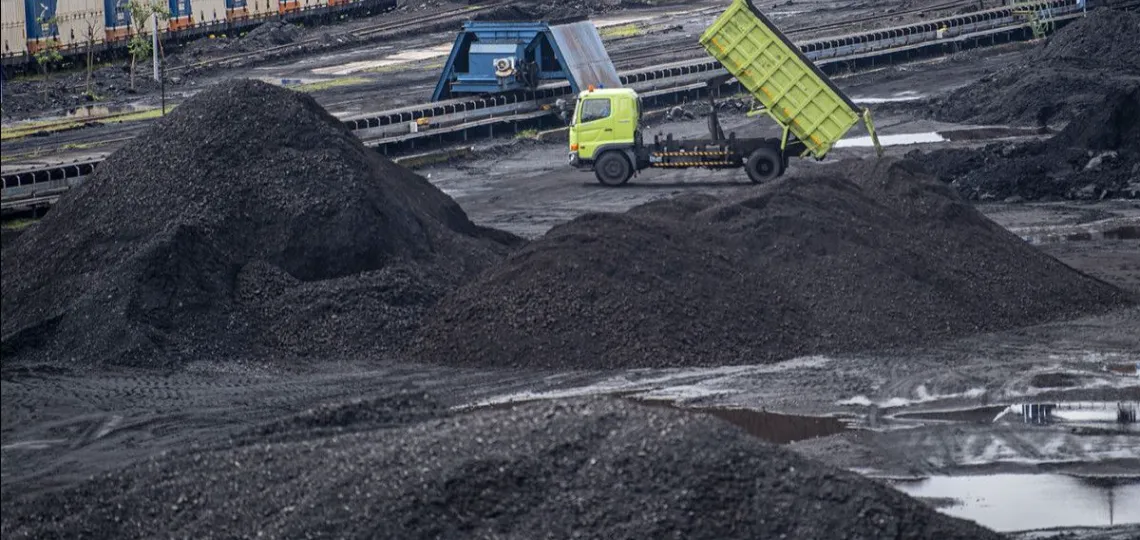
Facing surging LNG prices disrupted by the Middle East conflict, the Philippines plan to temporarily increase coal power output, with coal already accounting for 60% of national electricity production.
| Countries | Philippines, Indonésie |
|---|---|
| Sector | Charbon, Gaz, GNL |
| Theme | Politique & Géopolitique, Sécurité énergétique |
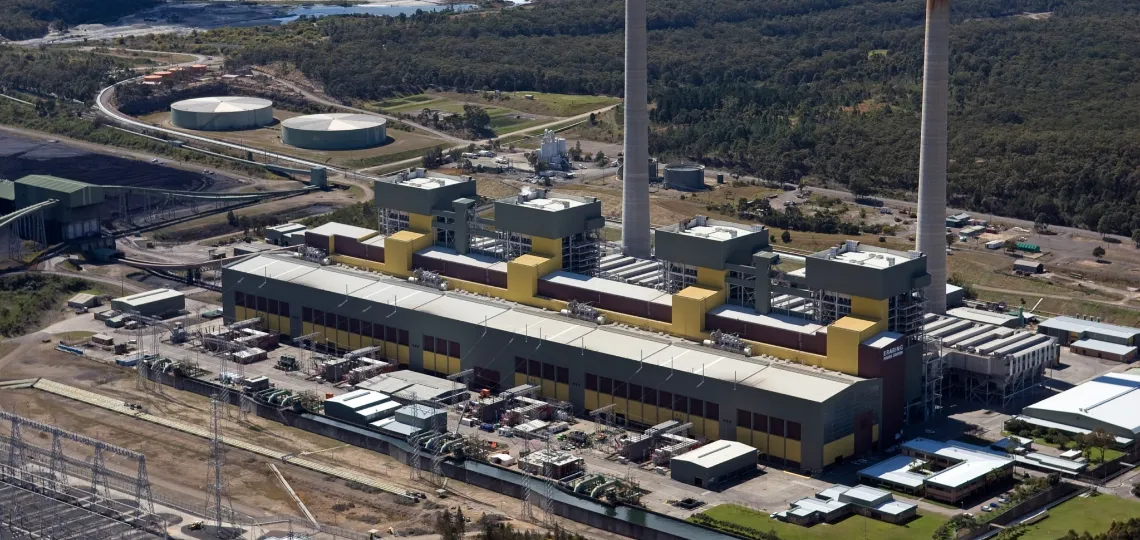
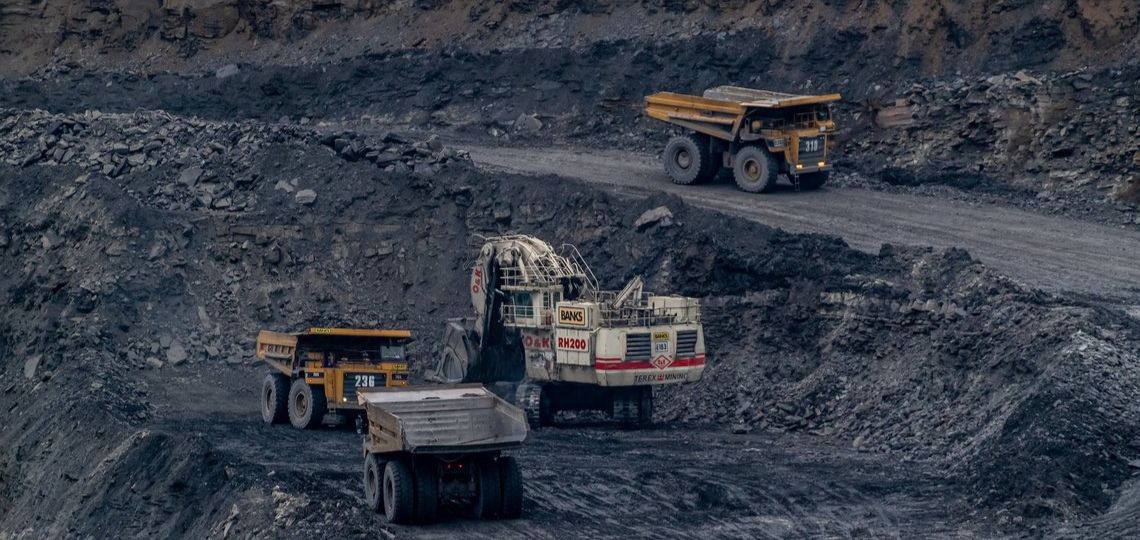
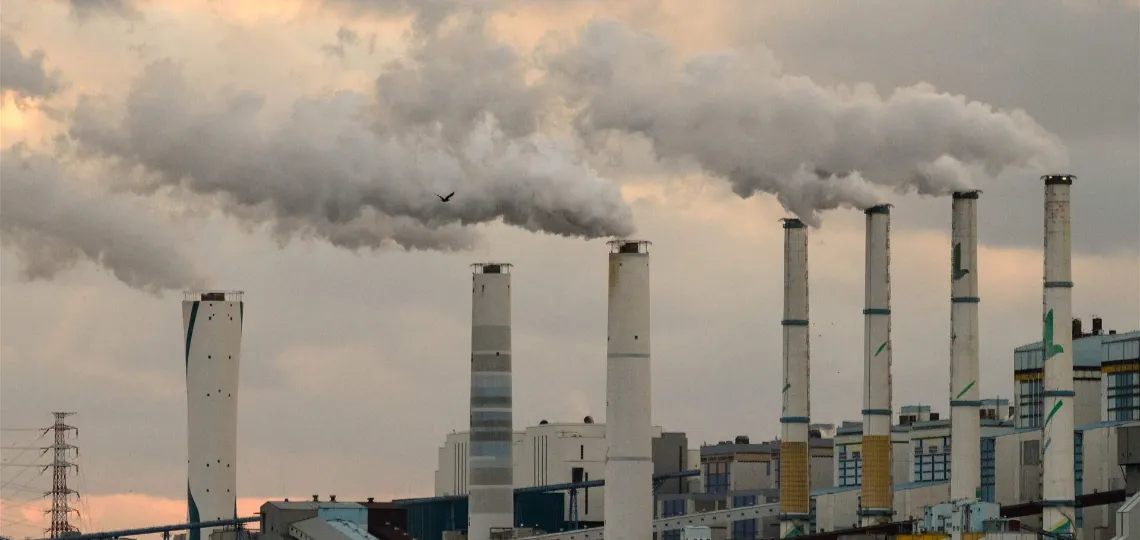
The Philippines plan to temporarily increase coal power plant output to contain rising electricity prices. Energy Minister Sharon Garin announced the move on Tuesday, responding to surging liquefied natural gas (LNG) prices disrupted by the Middle East conflict. The archipelago, home to 116 million people, already records some of the highest energy prices in Southeast Asia.
A Structural Dependence on Coal
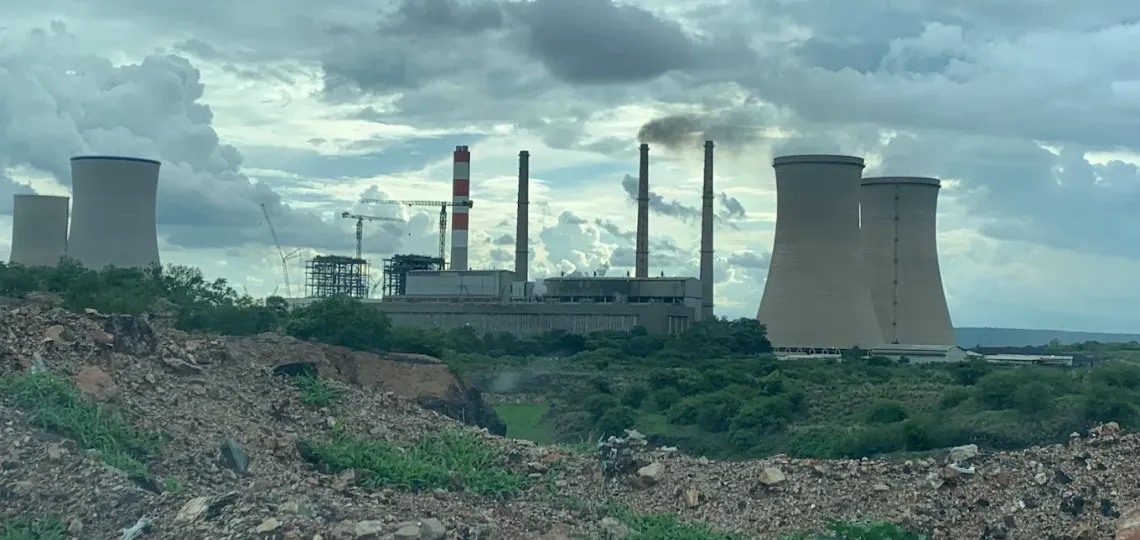
Coal already accounts for approximately 60% of national electricity production, according to official data. The country relies heavily on fuel imports to power its plants, leaving it particularly exposed to the energy market shocks triggered by escalating Middle East tensions. These disruptions are directly weighing on LNG prices reaching the archipelago.
Other countries in the region face comparable pressures: Pakistan, despite an LNG surplus, finds itself threatened by Strait of Hormuz disruptions. Gas supply route shocks are also hitting advanced economies, as illustrated by the United Kingdom's gas reserve situation. Sharon Garin says she has opened discussions with electricity producers and coal plant operators to assess their capacity to raise output.
Indonesia as a Supply Backstop
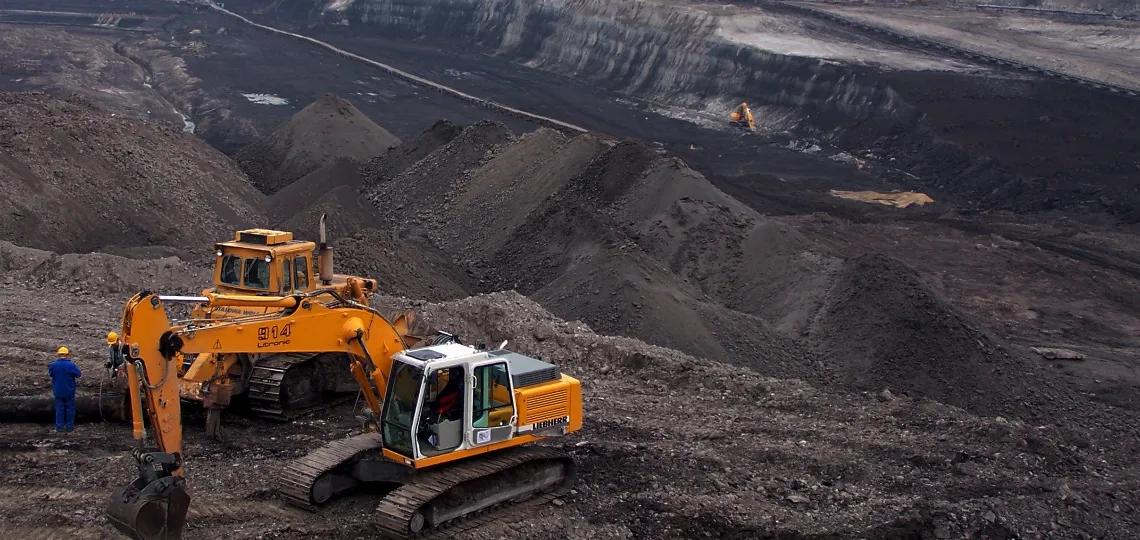
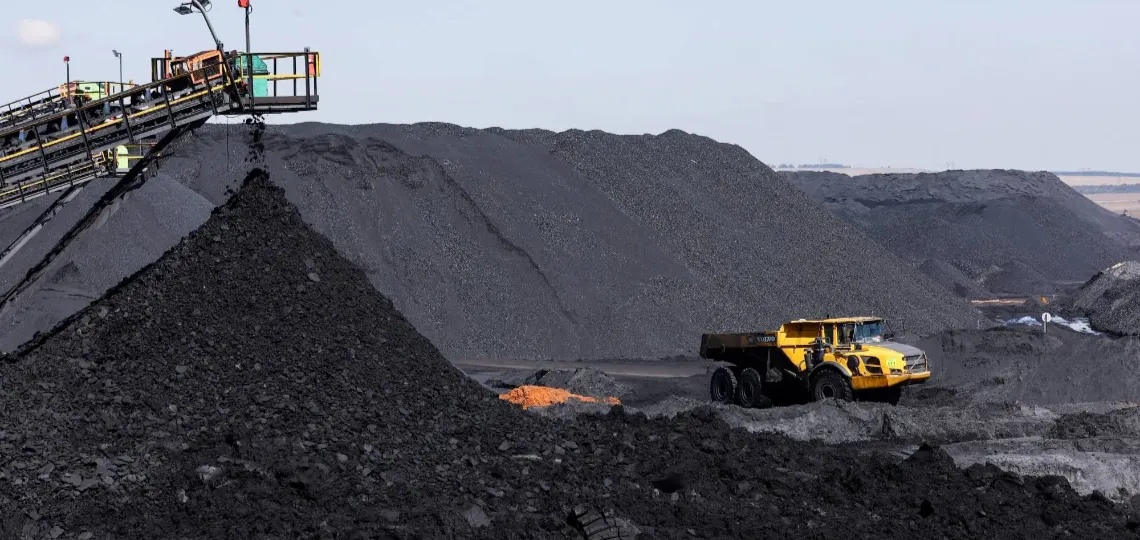
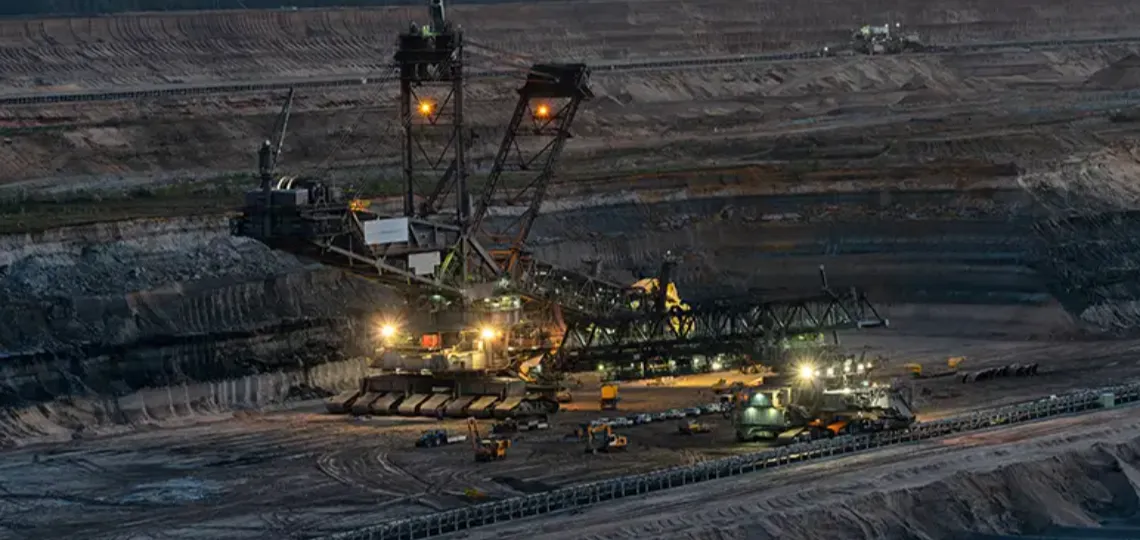
The Philippines intend to "maximize" the use of local coal, while also considering increasing purchases from Indonesia, their main supplier. Jakarta assured Manila that no limits would be placed on orders. This guarantee strengthens the government's room to maneuver amid rising LNG procurement costs.
The measure could take effect as early as April 1, according to the minister. Sharon Garin described the move as "temporary," without specifying a duration or a quantified production target. The Philippines, regularly affected by power outages, are seeking to limit the Middle East conflict's impact on electricity bills for consumers.