EU vote on banning combustion engine cars in 2035 postponed
The vote of the European Union member states on banning the sale of combustion engine cars in 2035 has been postponed indefinitely. Germany abstained, thus preventing the majority required for the adoption of this measure.
| Countries | Bulgarie, Pologne |
|---|---|
| Companies | Commission européenne |
| Sector | Carburants Alternatifs, E fuels |
| Theme | Régulation & Gouvernance, Politique publique |
The vote by EU member states scheduled for Tuesday to endorse a ban on the sale of combustion engine cars in 2035 has been postponed indefinitely, with Germany’s announced abstention preventing the necessary majority from being reached.
A historic agreement
This text, which aims to reduce CO2 emissions from new cars and vans in Europe to zero by 2035, was the subject of an agreement between Member States and European Parliament negotiators in October and was formally approved by MEPs in mid-February.
Countries opposed to the measure
Italy had long announced its opposition to the text. Poland also wanted to vote against and Bulgaria wanted to abstain. These three countries, between them, do not have the means to block the procedure.
But Berlin has indicated in recent days its intention not to give the green light immediately either. Without Germany, the qualified majority of the 27 Member States required (a favourable vote of at least 55% of the States representing at least 65% of the EU population) was no longer reached.
Unresolved issues
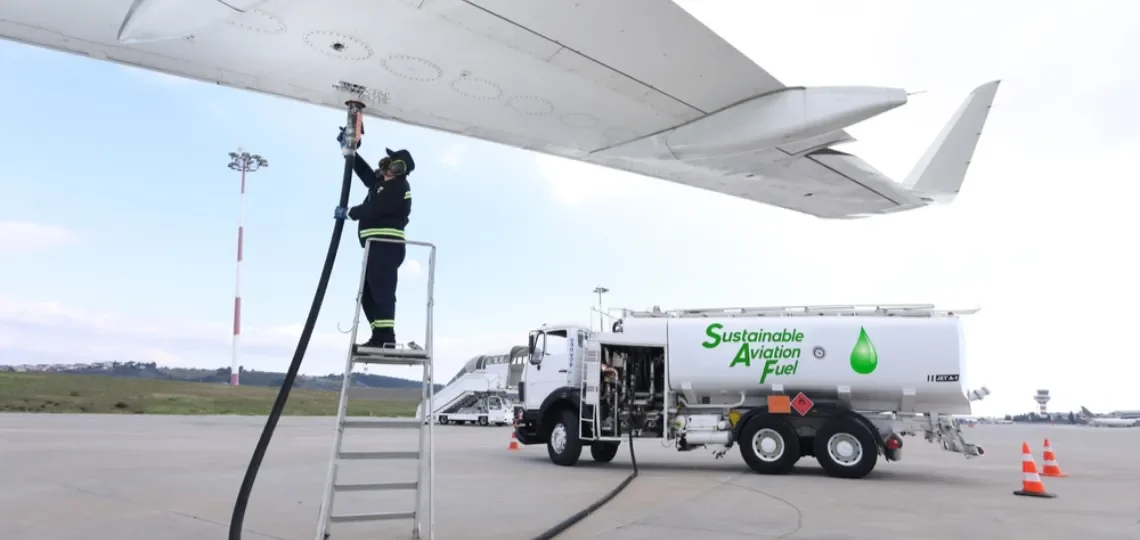
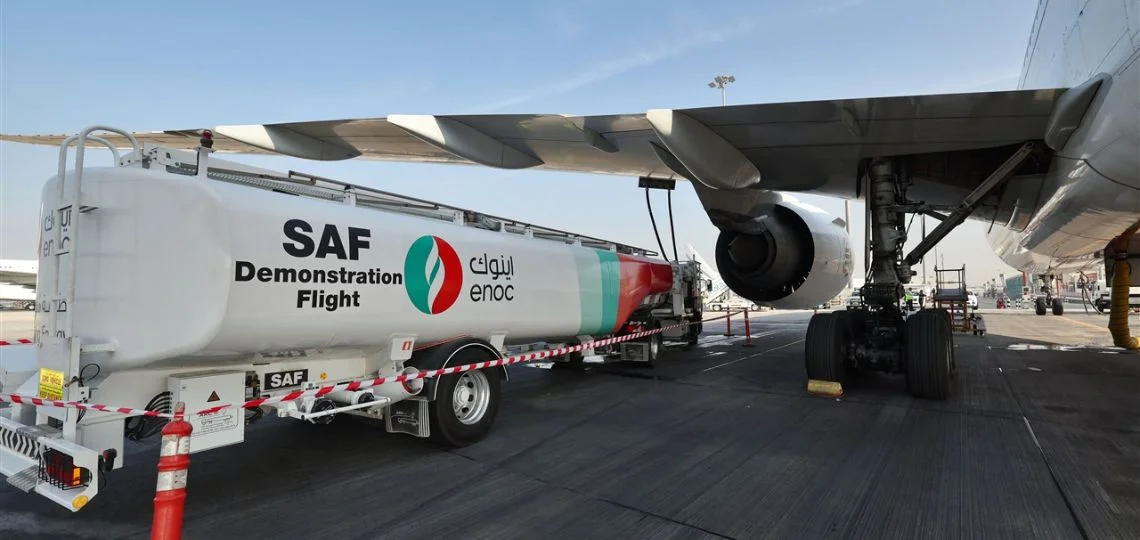
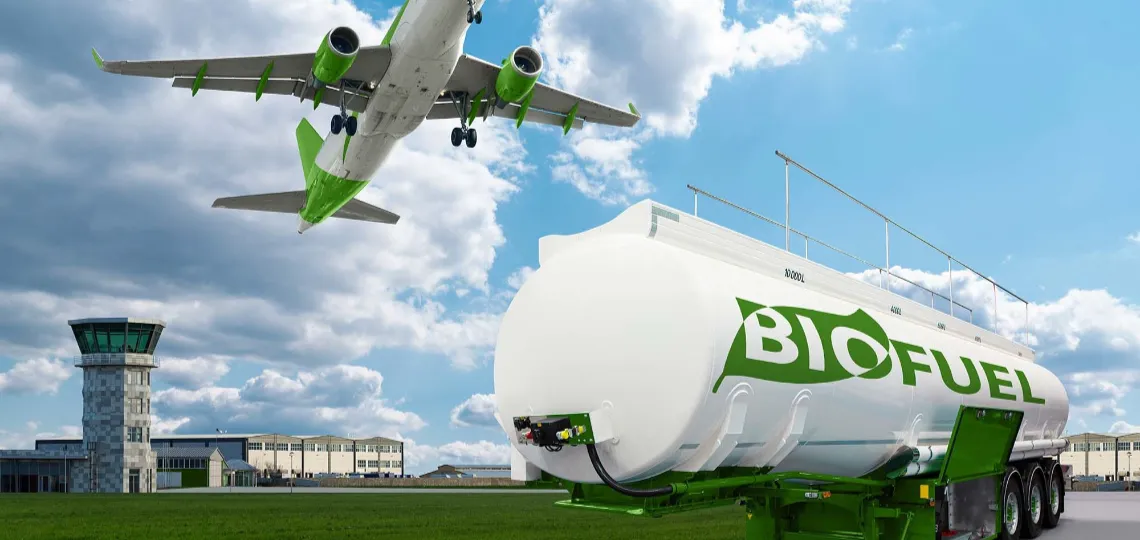
At the request of Rome and Berlin, the EU-27 had included in the text a possible green light in the future for alternative technologies such as synthetic fuels (e-fuels) if they can achieve the objective of completely eliminating greenhouse gas emissions from vehicles.
The technology of synthetic fuels, currently under development, consists in producing fuel oil from CO2 resulting notably from industrial activities by using low-carbon electricity. For the automotive industry, it would prolong the use of internal combustion engines threatened by the arrival of 100% electric vehicles. The use of this technology in cars is contested because it is very energy consuming. Berlin wants the Commission to propose additional legislation to encourage these synthetic fuels in road transport while another text on “infrastructure for alternative fuels” is being negotiated.