Wind turbine composites market projected to reach $28.85 billion by 2030
The global wind turbine composites market is forecast to grow at a 10.3% annual rate to reach $28.85 billion by 2030, driven by offshore wind expansion and Asia Pacific demand.
| Sectors | Wind Energy |
|---|---|
| Themes | Markets & Finance, Sector Analysis |
| Companies | Toray Industries, Inc., ExxonMobil Corporation, China Jushi Co., Ltd., China National Building Material Group Corporation |
| Countries | China, United States, Japan, Germany, India |
The global wind turbine composites market is projected to reach $28.85 billion by 2030, up from $17.67 billion in 2025, according to a study published by MarketsandMarkets in April 2026. This progression implies a compound annual growth rate (CAGR) of 10.3% over the period. The global transition to renewable energy and net-zero commitments from governments are identified as the main drivers of this expansion, according to the report.
Asia Pacific in a dominant position
Asia Pacific accounted for 78.2% of the global market value in 2024, reflecting the intensity of wind energy investment across the region. Government subsidies and innovations in automated manufacturing processes have supported this regional dynamic. North America represents the other significant growth area identified in the study. Manufacturers in Asia Pacific and Europe are shifting toward recyclable bio-based composites to meet sustainability standards.
Glass fiber currently dominates the market by volume, owing to its cost-performance ratio and corrosion resistance under extreme environmental conditions. Its well-established supply chain and mature manufacturing processes — including hand lay-up and resin infusion — make it the reference material for large-scale blade production. The carbon fiber segment is nevertheless expected to grow at the fastest pace, with a projected CAGR of 11.4%, driven by demand for longer blades.
Blades, the main outlet for wind turbine composites
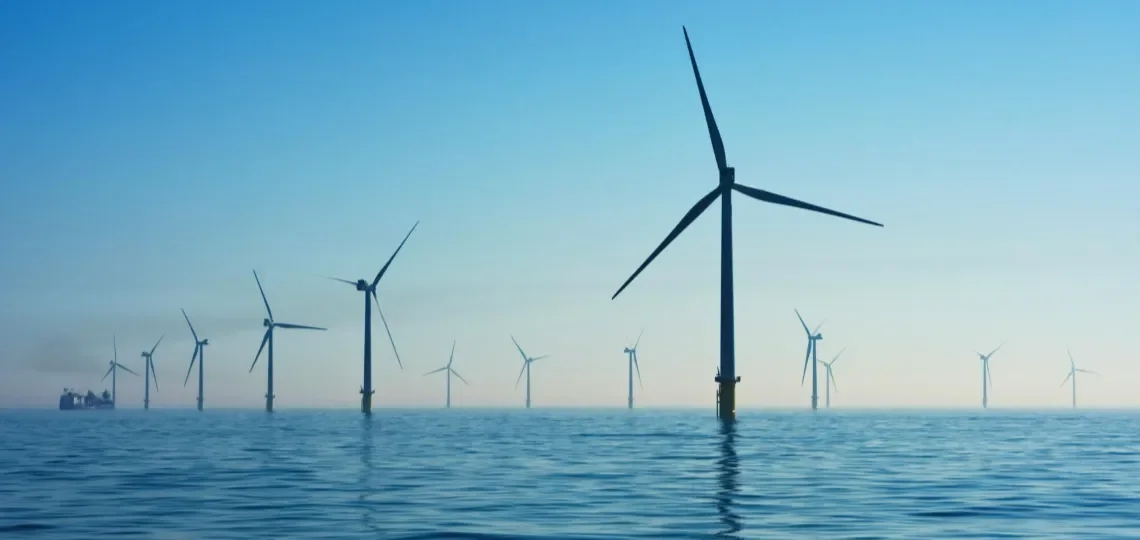
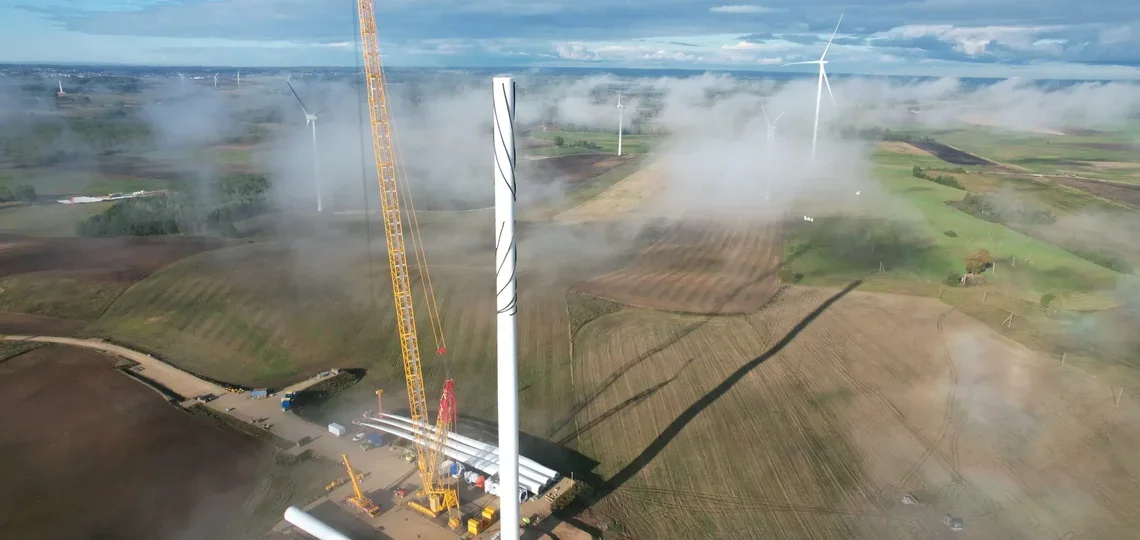
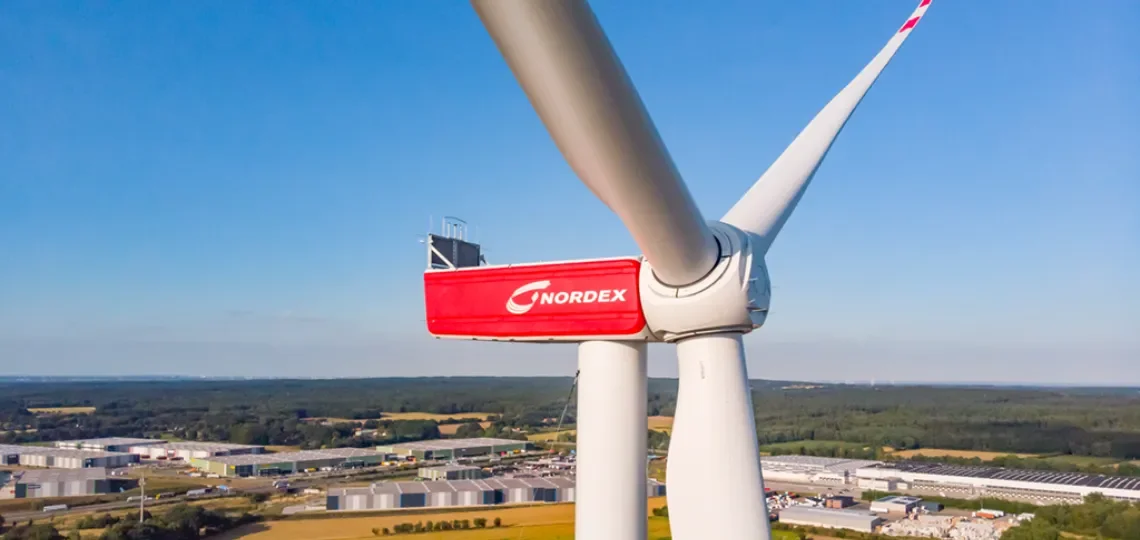
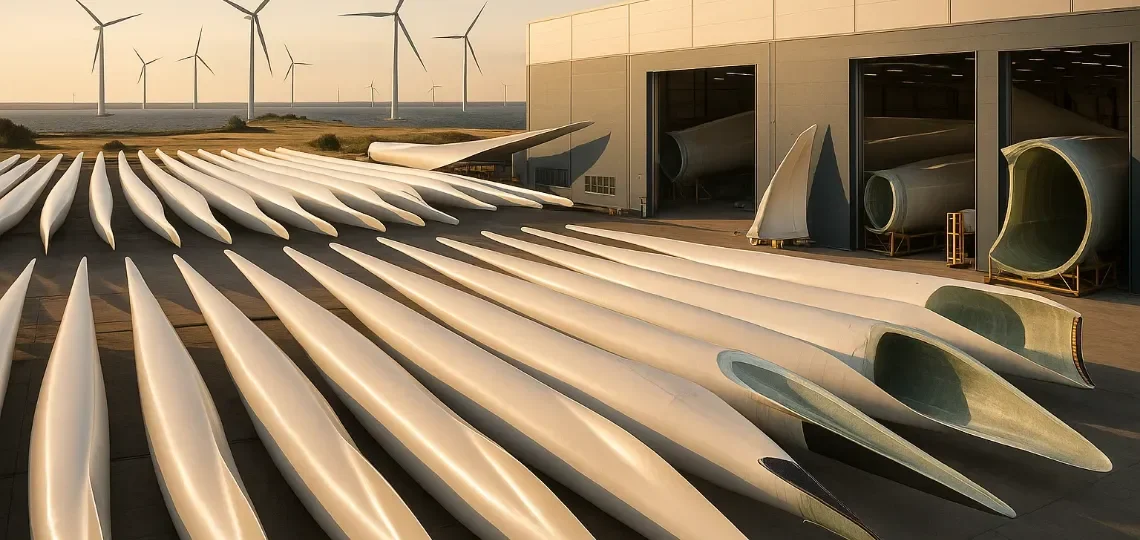
By component, the blades segment would register the fastest growth, at a CAGR of 10.6%, according to MarketsandMarkets. The development of 15 MW offshore turbines equipped with blades exceeding 100 meters in length generates structural demand for materials combining low weight and mechanical resistance. The use of glass or carbon fiber reinforced polymers delivers the required strength-to-weight ratios. Orders such as those placed with Nordex for N163 turbines at the Peckelsheim wind farm illustrate sustained demand for high-power machines requiring advanced composites.
By resin type, epoxy resin held 70.7% of market value in 2024. The VARTM (Vacuum-Assisted Resin Transfer Molding) process represents the leading manufacturing method. By application, the onshore segment retains the largest market share, although offshore concentrates the most capital-intensive projects.
Industrial players with varied profiles
Toray Industries, ExxonMobil, Evonik, China Jushi and China National Building Material Group (CNBM) rank among the best-positioned companies in the sector according to the report, owing to their broad industry coverage and financial strength. Smaller players such as HS Hysoung Advanced Material, Jiuding New Material and Reliance Industries stand out for their distribution networks and capacity to invest in product portfolio development. The report also notes that reductions in lifecycle costs contribute to strengthening supply chain resilience as investments in larger and more powerful turbine systems increase.