The EU, 70% Clean Power, Refuses Canadian Fossil Fuels Amid Global Surplus
Brussels has no plans to rely on Canadian oil or liquefied natural gas. The European Union is focusing on renewables and nuclear power to achieve climate neutrality by 2050.
| Countries | Canada, États-Unis, Russie, Chine, Inde |
|---|---|
| Theme | Politique & Géopolitique, Diplomatie |
The European Union does not plan to rely on Canadian oil or liquefied natural gas (LNG) to secure its energy supply. Belén Martínez Carbonell, Secretary General of the European External Action Service (EEAS), the EU's diplomatic corps, stated this at a press conference in Ottawa on February 27, 2025. The senior EU official was in Canada to discuss foreign policy and defense priorities with senior Canadian officials.
Europe Bets on Renewables and Nuclear
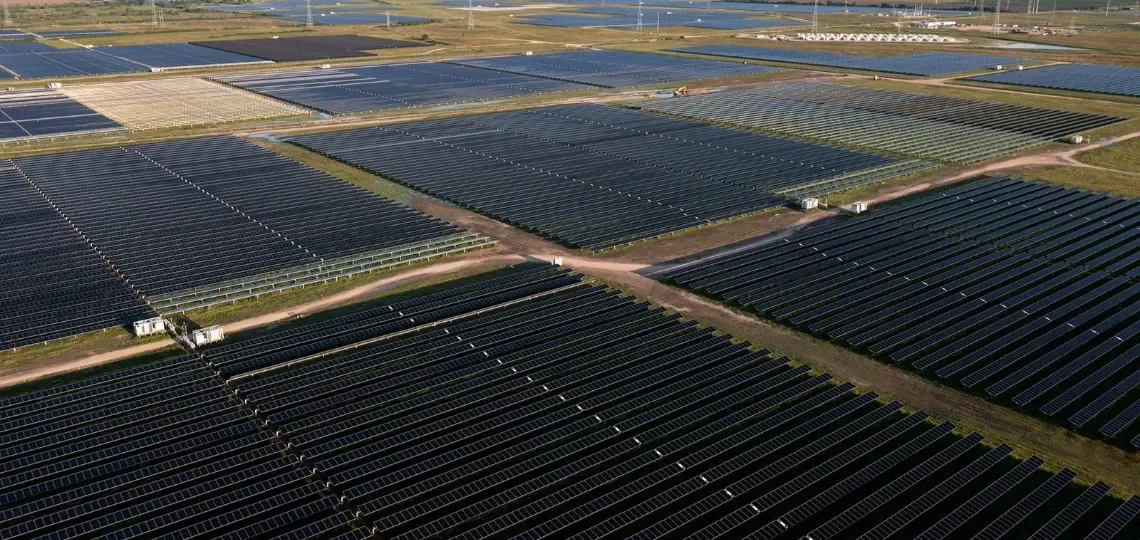
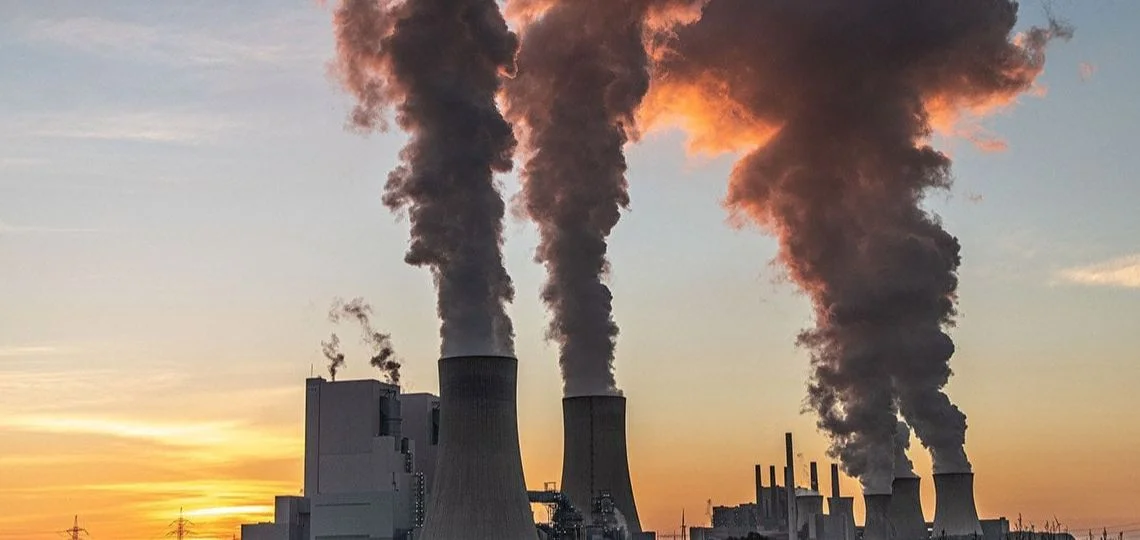
"Our policy generally prioritizes clean energy sources, as we are on track to meet our 2050 targets," Martínez Carbonell said. According to the diplomat, more than 70% of European electricity already comes from renewable energy or nuclear power. The EU has set itself the goal of becoming "the world's first climate-neutral continent" by 2050. This strategic direction makes large-scale reliance on Canadian fossil fuels unlikely.
Europe increased LNG imports from the United States following Russia's invasion of Ukraine in 2022. This shift aimed to reduce dependence on Russian hydrocarbons, whose imports have been gradually phased out. However, increased reliance on LNG, which is rich in methane, complicates the EU's climate ambitions. Brussels is seeking to balance energy security with decarbonization of its energy mix.
Canada Seeks Outlets in an Energy-Abundant Market
Canada faces a difficult environment for exporting fossil fuels amid a global energy surplus. Alberta recently released a budget showing that lower oil prices led to a $5.4 billion (CAD 7.5 billion) decline in revenues from oil sands royalties. Trade uncertainties with the United States, Canada's largest trading partner since President Donald Trump's election, have also sparked increased Chinese interest in Canadian energy.
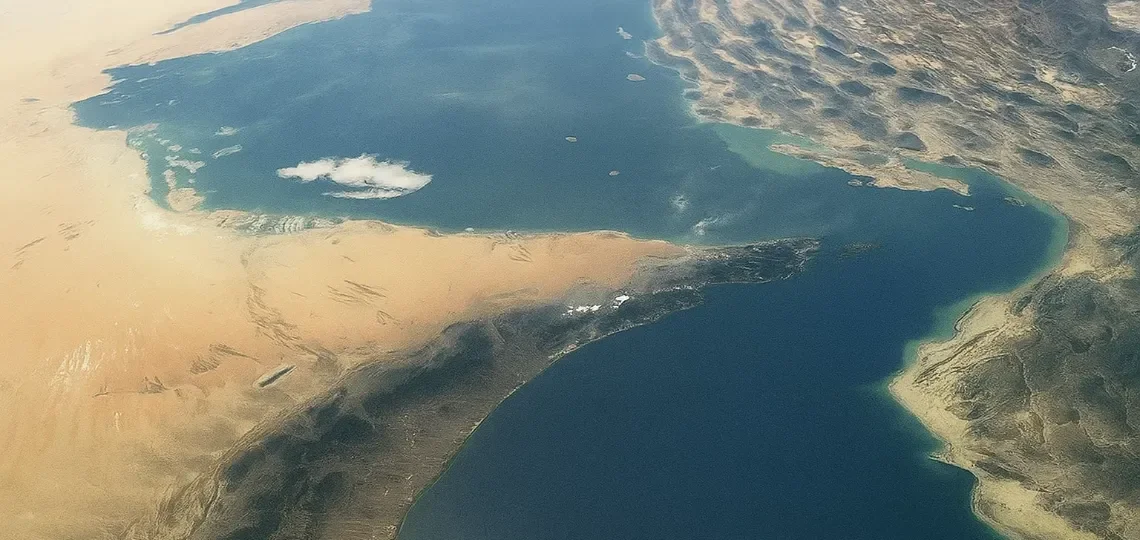
India's government has also signaled its willingness to import Canadian petroleum and natural gas products, according to statements from its High Commissioner, while Prime Minister Mark Carney was visiting the country. Recent U.S. strikes in Iran and retaliations in the region have already affected the global oil market. These geopolitical tensions could push prices higher, offering some relief to Canadian producers.
EU's Carbon Border Adjustment Mechanism Under Discussion
In January 2025, the EU implemented the Carbon Border Adjustment Mechanism (CBAM), which imposes a tax on imports of carbon-intensive products such as steel and cement. This mechanism raises the question of whether Canada's carbon pricing regime is robust enough to preserve strong trade relations with Europe. Mark Carney recently reformed this policy by removing the carbon tax for consumers and granting Alberta greater flexibility in its own system.
Discussions are underway between Ottawa and Brussels on how Europe could account for Canadian carbon pricing under the CBAM. Geneviève Tuts, EU Ambassador to Canada, confirmed exchanges between Mark Carney and Ursula von der Leyen, President of the European Commission. "The price could be adjusted," she indicated, not ruling out a modulation of tariffs based on changes in Canadian policies. The mechanism itself will not be abandoned, she clarified.