The EU Rejects Canadian Hydrocarbons, Prioritizing Renewables and Nuclear Energy
The European Union refuses to import Canadian hydrocarbons, according to a senior diplomat. Prioritizing renewables and nuclear power, Brussels aims to achieve climate neutrality by 2050, leaving Canada to seek alternative markets.
| Countries | Canada, États-Unis, Chine, Inde, Russie |
|---|---|
| Theme | Politique & Géopolitique, Sécurité énergétique |
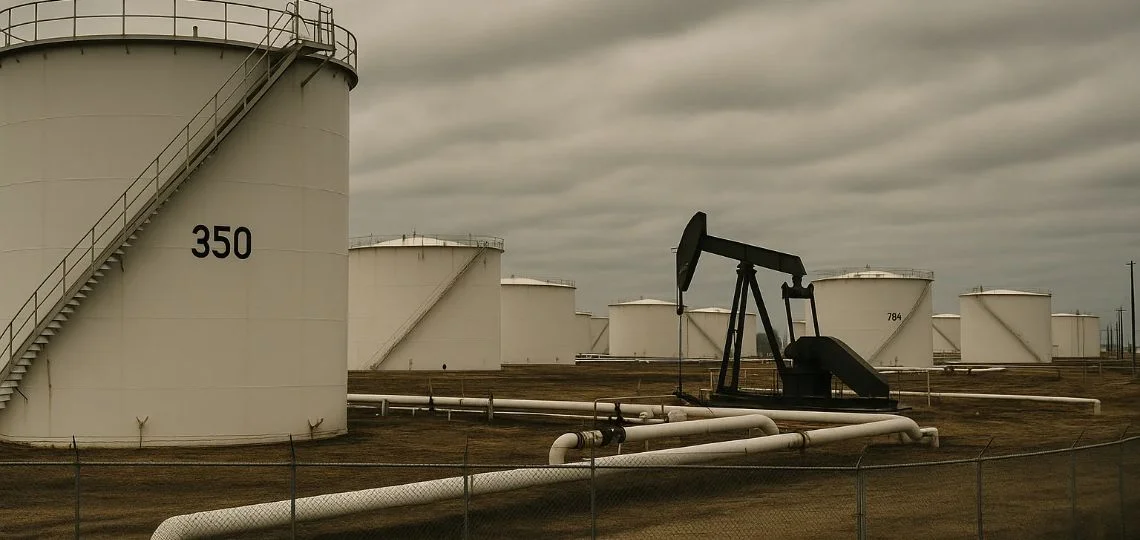
The European Union does not plan to import Canadian oil and gas. Belén Martínez Carbonell, secretary general of the European External Action Service (EEAS), the EU's diplomatic corps, said at a press conference in Ottawa on February 27 that Brussels prioritizes clean energy sources. These remarks come as Canada seeks new buyers for its hydrocarbons, facing a global surplus of fossil fuels.
Energy Policy Focused on Renewables and Nuclear
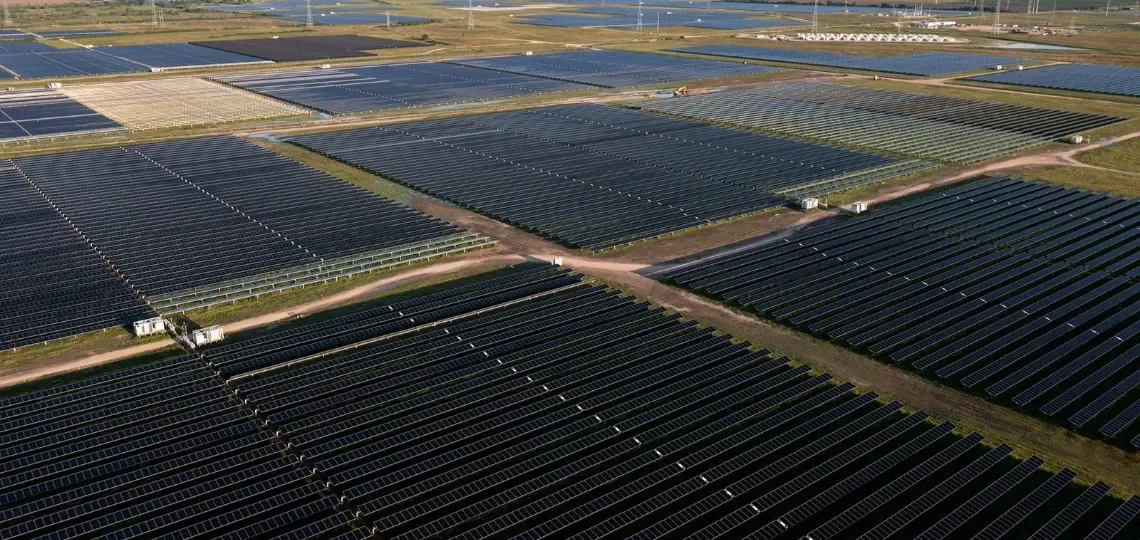
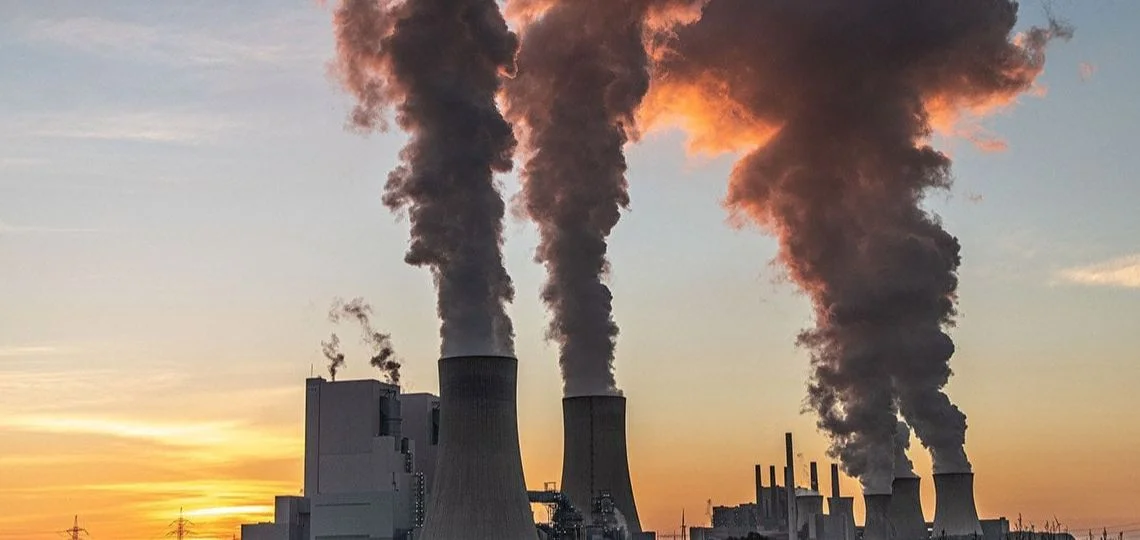
"Our policy is to prioritize clean energy sources because we are on track to meet our 2050 objectives," Martínez Carbonell said. According to the diplomat, more than 70% of European electricity already comes from renewable energy or nuclear power, including small nuclear reactors. The EU aims to become the first climate-neutral continent by 2050, an objective that directly guides its energy supply choices.
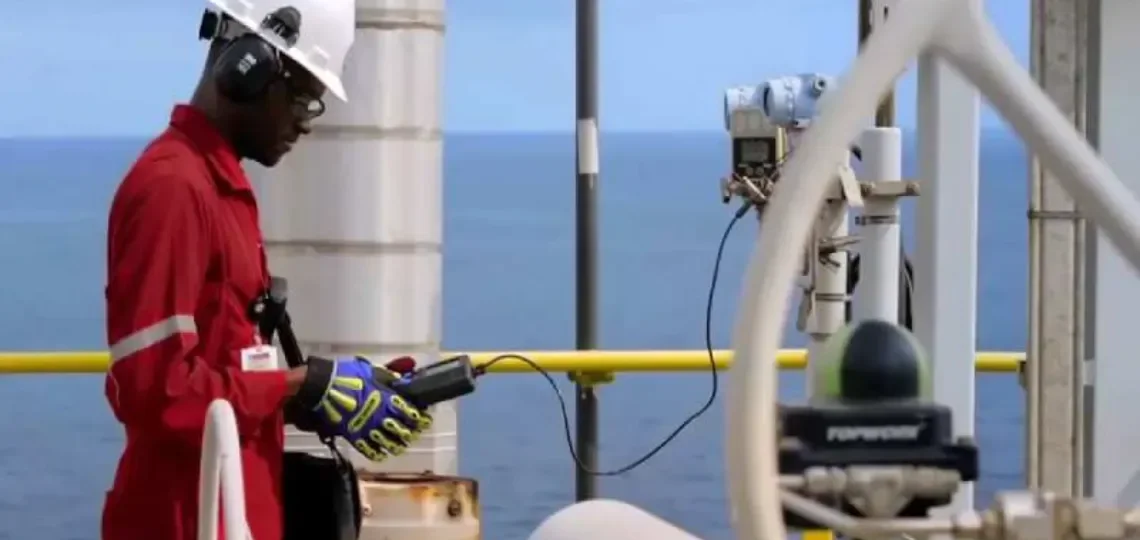
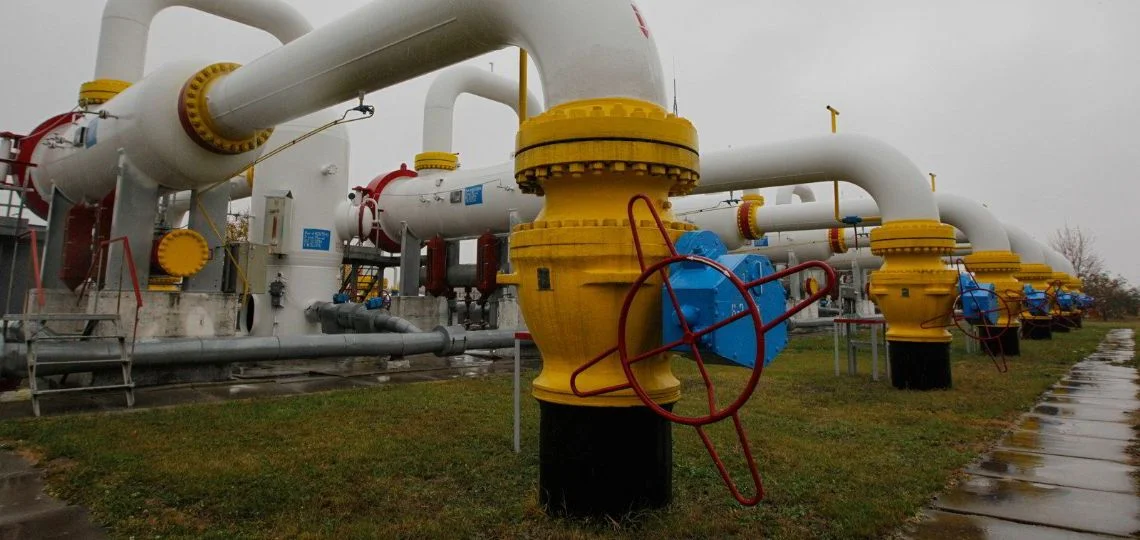
This orientation complicates Canada's export ambitions, particularly regarding liquified natural gas (LNG). Since Russia's invasion of Ukraine in 2022, Europe has increased its LNG imports from the United States, progressively substituting Russian supplies. However, dependence on LNG, a fuel with high methane content, contradicts Brussels' climate commitments for 2050.
Alberta Under Pressure, Canada Seeking New Markets
Canada's Alberta province is feeling the full impact of crude oil price pressure. Its recently released budget reveals that the decline in oil prices has resulted in a decrease of $5.4 billion (CAD 7.5 billion) in revenues from oil sands royalties. Trade tensions with the United States, Canada's main trading partner since President Donald Trump's election, are prompting Ottawa to diversify its markets.
China is showing growing interest in Canadian hydrocarbons amid this commercial uncertainty. India has also signaled its intention to import Canadian oil and gas, according to remarks by the Indian high commissioner, as Prime Minister Mark Carney undertakes an official visit to the country. Canada has been debating for several years the construction of export terminals on its East Coast to transport fossil fuels to Europe, but no final decision has been made.
European Carbon Mechanism at the Heart of Bilateral Negotiations
The European Union implemented in January its Carbon Border Adjustment Mechanism (CBAM), which imposes a tax on imports of goods with high carbon intensity, such as steel and cement. This mechanism raises the question of whether Canadian carbon pricing will be sufficient to preserve robust trade exchanges with Europe. Carney recently reformed this policy by eliminating the carbon tax for consumers and reaching a flexibility agreement with Alberta.
Discussions are underway between Ottawa and Brussels on accounting for Canadian carbon pricing within the CBAM framework. Geneviève Tuts, EU ambassador to Canada, clarified that the applied tariff could be adjusted based on these negotiations, without the EU abandoning the mechanism itself. Exchanges have also taken place directly between Carney and Ursula von der Leyen, president of the European Commission, on this matter.