The IEA Plans Record Oil Reserve Release, G7 Mobilizes

| Countries | États-Unis, Iran, France, Israël, Arabie Saoudite |
|---|---|
| Companies | ADNOC, Wood Mackenzie, Morgan Stanley |
| Theme | Politique & Géopolitique, Sécurité énergétique |
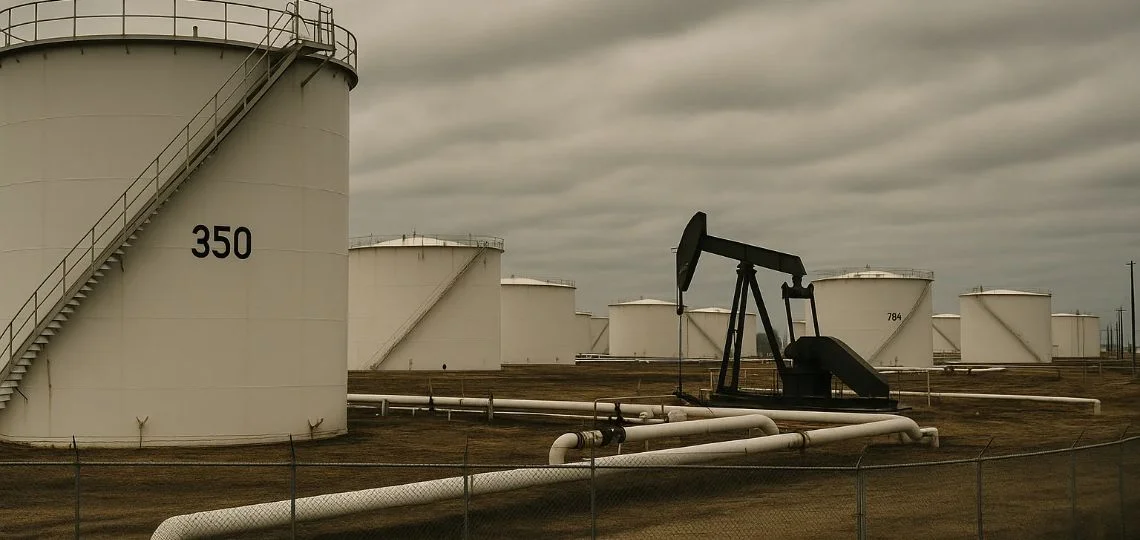
The International Energy Agency (IEA) has proposed releasing the largest quantity of oil reserves ever placed on the market, according to the Wall Street Journal. This initiative aims to counter supply disruptions caused by the conflict between the United States, Israel, and Iran. The volume being considered would exceed the 182 million barrels released during two operations conducted in 2022 following Russia's invasion of Ukraine. Neither the IEA nor the White House has responded to requests for comment.
Macron Convenes G7 on Energy Emergency
Emmanuel Macron is hosting a G7 leaders' videoconference on Wednesday focused on the impact of the Middle East conflict on energy and potential measures. G7 officials have already met online to examine the release of emergency stocks to cushion the market shock. This diplomatic mobilization comes as the stability of global oil supplies is directly at risk.
Oil markets are displaying strong volatility. Brent was trading at $87.91 per barrel at 01:29 GMT, up 11 cents, or 0.13%. West Texas Intermediate (WTI) was rising 7 cents to $83.52 per barrel, a gain of 0.08%. Both contracts had fallen more than 11%—the steepest percentage decline since 2022—after hitting a peak of $119 per barrel on Monday, their highest level since June 20, 2022, before retreating following Donald Trump's statements announcing a swift end to the conflict.
Oil Infrastructure Hit in the Region
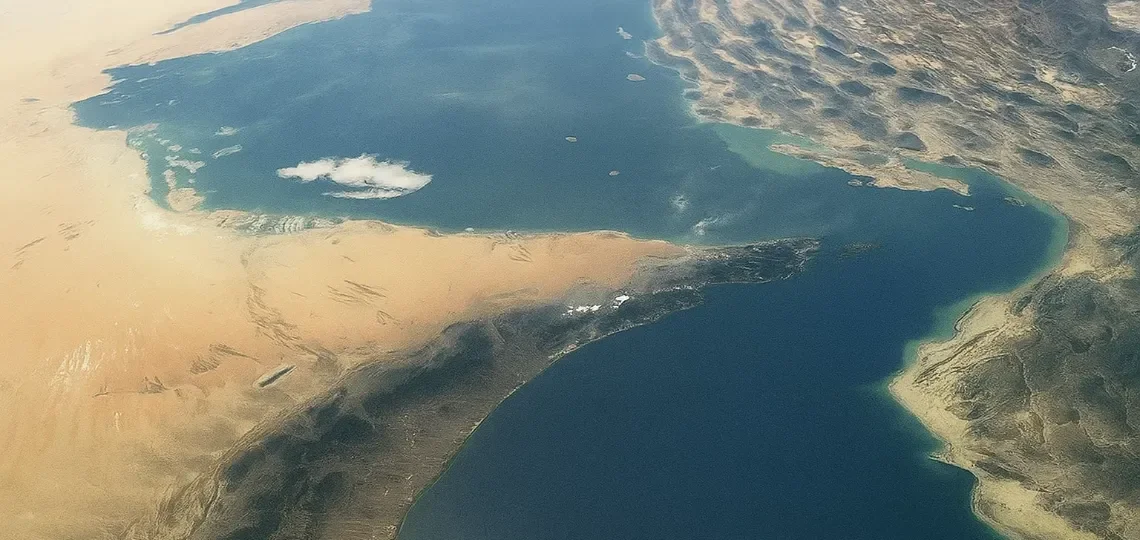
The Ruwais refinery, operated by state-owned Emirati oil company ADNOC, was shut down after a drone struck one of its facilities, marking the latest energy infrastructure disruption linked to the conflict. Iraq, Kuwait, and the United Arab Emirates have reduced their production in response to the hostilities. Saudi Arabia, the world's leading oil exporter, has increased its shipments via the Red Sea, relying on the port of Yanbu to boost its exports and avoid significant production cuts. These volumes remain insufficient, however, to offset the decline in flows from the Strait of Hormuz.
According to the Pentagon and Iranian sources, U.S.-Israeli airstrikes on Iran on Tuesday were the most intense since the conflict began. The U.S. Central Command says it eliminated 16 Iranian mine-laying vessels near the Strait of Hormuz. Donald Trump warned that any Iranian mine-laying in this strait should be immediately removed and mentioned the possibility of escorting tankers through the waterway. Sources indicate, however, that the U.S. Navy is currently refusing maritime sector escort requests, deeming the risks of attack too high.
Analysts Expect Prolonged Price Volatility
Tony Sycamore, an analyst at IG Sydney, anticipates strong crude oil volatility, with a trading range between $75 and $105 per barrel for the coming sessions. Wood Mackenzie, an energy consulting firm, estimates that the conflict could push crude prices as high as $150 per barrel if Gulf supplies were cut by 15 million barrels per day. Morgan Stanley states in a note that 'even a swift resolution likely implies weeks of disruptions to energy markets.' Data from the American Petroleum Institute (API) cited by market sources confirm that U.S. crude, gasoline, and distillate stocks fell the previous week due to increased demand.