Macron Convokes G7 Emergency Summit on Iran Crisis and Oil Volatility
Emmanuel Macron has summoned G7 leaders to an emergency teleconference on the Iranian crisis and soaring energy prices, as the Islamic Revolutionary Guards impose Mojtaba Khamenei as Iran's new Supreme Leader.

| Countries | France, États-Unis, Iran, Canada, Japon |
|---|---|
| Theme | Politique & Géopolitique, Sécurité énergétique |
Emmanuel Macron is set to chair a teleconference Wednesday with Group of Seven (G7) leaders focused on the crisis in Iran and rising energy prices. France currently holds the G7 presidency, which includes the United States, Canada and Japan. The meeting comes as the bloc seeks to coordinate its response to the surge in oil prices triggered by the U.S.-Israeli conflict with Iran.
G7 Energy Ministers Fail to Agree on Strategic Petroleum Reserves
G7 energy ministers failed to reach consensus Tuesday on releasing strategic petroleum reserves. They asked the International Energy Agency (IEA) to assess the situation before any coordinated action. Oil prices reached four-year highs Monday before falling 11% the following day after U.S. President Donald Trump said the Middle East conflict could end soon. Market volatility reflects persistent uncertainty over global supplies.
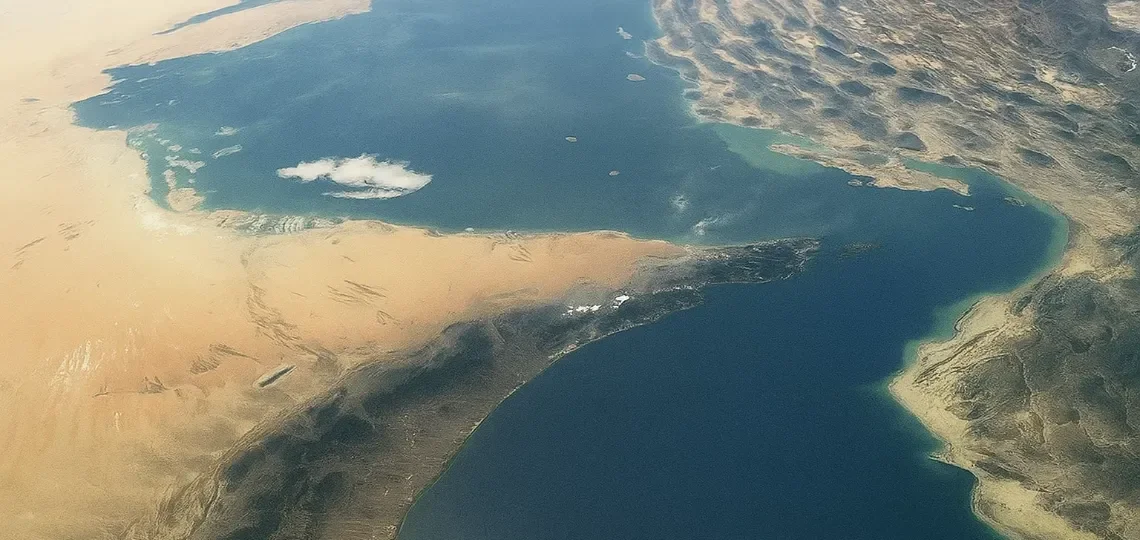
U.S. officials are also examining measures to maintain free flow of traffic through the Strait of Hormuz, the strategic shipping route through which a significant share of global oil exports pass. These options would include naval escorts for commercial vessels and war insurance for tankers. These initiatives aim to reassure shipowners and prevent further disruptions to global energy supplies. Securing the Strait remains a central issue of the crisis.
Islamic Revolutionary Guards Impose Mojtaba Khamenei as Iran's New Leader
Senior Iranian sources indicate that the Islamic Revolutionary Guards have used their full weight to ensure Mojtaba Khamenei's designation as Iran's new Supreme Leader. The Assembly of Experts announced this choice Sunday evening. According to these sources, the Guards view Mojtaba Khamenei as a successor willing to support their hardline stance, overriding reservations from political officials and clergy whose opposition reportedly delayed the announcement by several hours. The Revolutionary Guards have further strengthened their grip since the conflict began.
As of Tuesday night, Mojtaba Khamenei had not yet spoken publicly, nearly 48 hours after his designation amid a conflict that has killed more than 1,000 Iranians. Persistent rumors suggest a possible injury during the strikes that killed his father on Feb. 28. An Iranian state television presenter reportedly described him as a "janbaz," a term designating wounded war veterans, seeming to corroborate these reports. His personal security and concerns about assassination attempts could also explain his silence.
Political Hardening Feared by Iranian Sources
Three sources, including a former reformist official and an insider to the regime, believe Mojtaba Khamenei's nomination, backed by the Guards, could push Iran toward a more aggressive foreign policy and increased domestic repression. Two of them worry the Guards' domination of the state apparatus could further narrow the regime's social base, leaving less room to address the complex threats the country faces. Alex Vatanka, Senior Fellow at the Middle East Institute in Washington, notes that the late Ayatollah Ali Khamenei was able to counterbalance the Guards' influence by pitting them against political and clerical elites. According to one source, the Guards may now have the final say on major decisions.
Internal tensions illustrate the fragility of Iran's new leadership. President Masoud Peshkian, a member of the triumvirate mandated by the United Nations to ensure interim governance, was forced to apologize to Gulf states after remarks deemed offensive. Sources close to the Guards report they strongly disapproved of this act of contrition. Coexistence between the civilian executive and military-religious structures remains a structural source of tension within the Islamic Republic.