Rosatom brings Belarusian suppliers into Smolensk NPP-2 nuclear construction
Russia is integrating Belarusian firms into the Smolensk NPP-2 construction project, which plans to commission two VVER-1200 reactors in 2033 and 2035.
| Sectors | Nuclear Energy, Fission |
|---|---|
| Themes | Project Development, Construction |
| Companies | Rosatom, Titan-2 |
| Countries | Russia, Belarus |
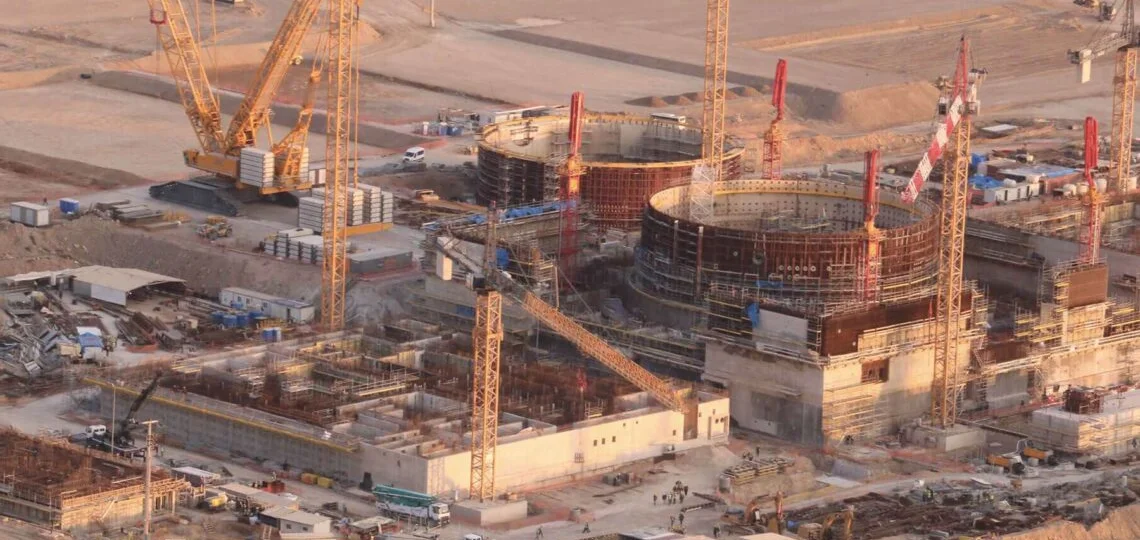
Russia has held discussions to bring Belarusian companies into the construction of the Smolensk NPP-2 nuclear power plant, which plans two VVER-1200 pressurized water reactors scheduled for commissioning in 2033 and 2035. A meeting brought together the management of the Smolensk nuclear power plant, regional government representatives, general contractor Titan-2 and several Belarusian suppliers with experience on nuclear construction sites. The Smolensk region shares a land border with Belarus. Against a backdrop of nuclear expansion in Europe, Poland has filed its first construction permit application for a nuclear power plant, while Germany's energy minister described the nuclear phase-out as a major strategic mistake.
Belarusian suppliers experienced in nuclear construction
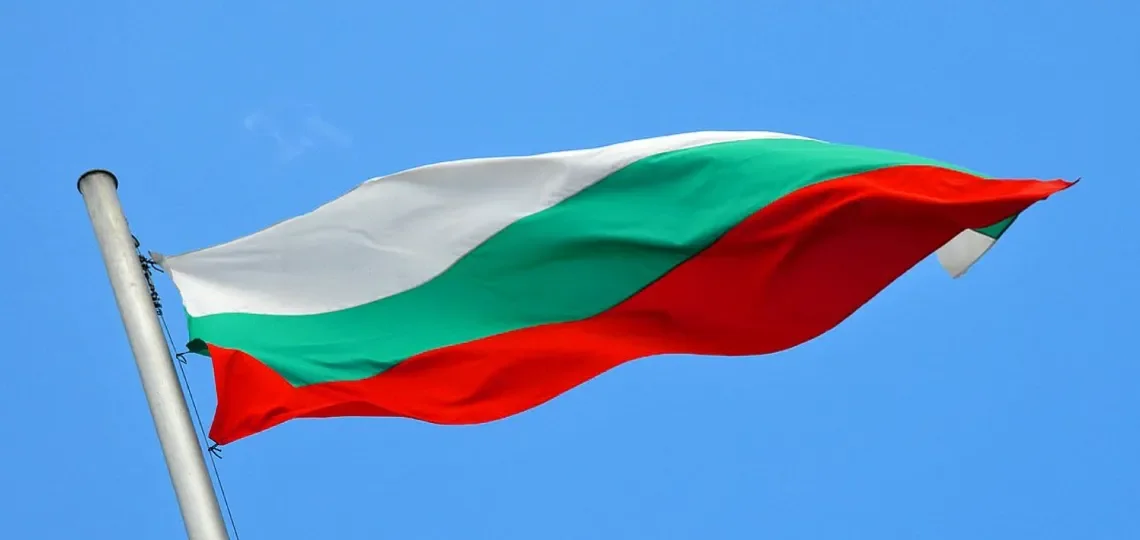
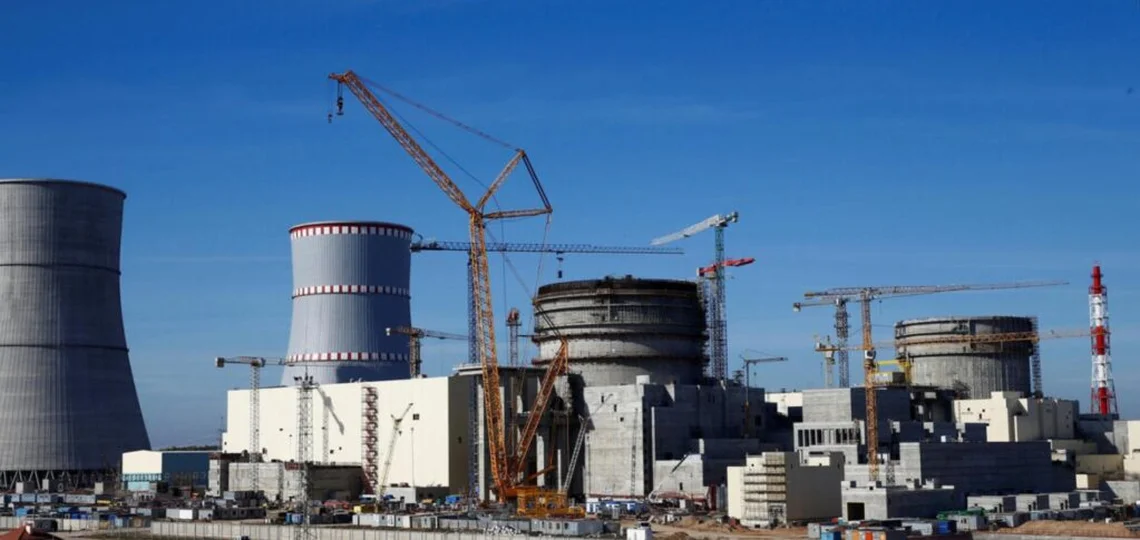
Representatives of Belarusian companies — suppliers of cable products, water purification equipment, polymer structures and cement materials — presented their results from work at the Belarusian nuclear power plant construction site, according to Rosatom, the Russian state nuclear corporation. These companies have also participated in Rosatom-led projects in Turkey, Egypt and Hungary. Ivan Sidorov, director of the Smolensk plant, stated that his facility was "well acquainted with the products used in the construction of the Belarusian NPP" and expressed interest in deeper cooperation on the Smolensk NPP-2 project. Zhanna Sharando, deputy chair of the Vitebsk Regional Executive Committee's Economics Committee, said she hoped companies would find "their niche and opportunities" in this large-scale project.
The involvement of these suppliers builds on the industrial ties established during the construction of the Belarusian nuclear power plant, itself carried out with Rosatom's support. General contractor Titan-2 is leading construction works on the Russian side. Smolensk NPP-2 forms part of Russia's proposed new nuclear programme.
Smolensk plant: three RBMK-1000 reactors in service
The Smolensk nuclear power plant, located approximately 350 km west of Moscow, currently operates three RBMK-1000 high-power channel-type reactors, connected to the grid in 1982, 1985 and 1990 respectively. Each has an electrical capacity of 1,000 MW. Their operating licences have been extended to 45 years. The new VVER-1200 units planned for Smolensk NPP-2 are designed to operate for 60 years, with potential life extensions up to 120 years, according to the Russian programme.
The Belarusian nuclear power plant, equipped with two VVER-1200 reactors, is located in Ostrovets in the Grodno region in the northwest of the country. A general construction contract was signed with Rosatom in 2011. First concrete on the first unit was poured in November 2013, with construction of the second unit beginning in May 2014. The first unit was connected to the grid in November 2020; the second entered commercial operation in November 2023.
Belarus expands its nuclear ambitions
More than a quarter of Belarus's electricity is now generated by nuclear power. In November, Belarus announced its intention to build a third reactor at the Ostrovets site and to launch preliminary surveys for a second nuclear power plant, which it believes may be needed to meet future energy demands. The cooperation between Belarusian suppliers and the Smolensk NPP-2 project fits within a broader framework of reinforced industrial ties in the nuclear sector.