NRC approves 20-year license renewal for Diablo Canyon nuclear plant
The U.S. Nuclear Regulatory Commission has granted a 20-year license renewal for PG&E's Diablo Canyon plant, which supplies nearly 20% of California's clean energy.
| Sectors | Nuclear Energy, Fission |
|---|---|
| Themes | Regulation & Governance, Regulation |
| Countries | United States |
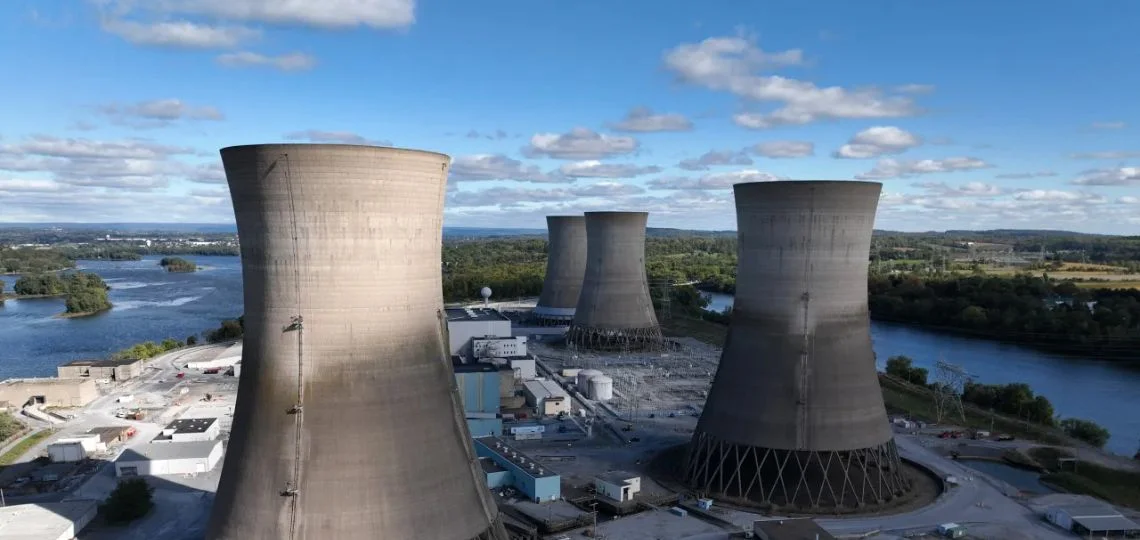
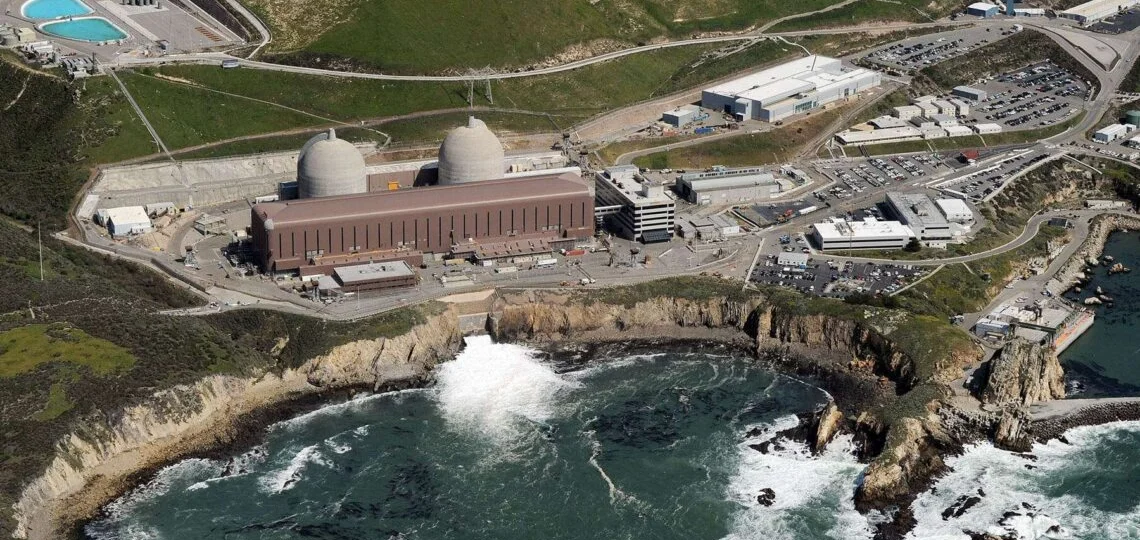
The U.S. Nuclear Regulatory Commission (NRC) approved on April 2, 2026 Pacific Gas and Electric Company's (PG&E) license renewal application for the Diablo Canyon nuclear power plant. The approval covers a 20-year period, though extending operations beyond 2030 requires action from the California Legislature. This marks the NRC's 100th renewed operating license for a U.S. nuclear plant.
A three-year process approved by multiple agencies
The renewal underwent a transparent, three-year public process, at the conclusion of which the NRC determined that Diablo Canyon is safe and environmentally sound for continued operations. Several state and regional agencies also granted approvals, including the California Public Utilities Commission, the State Lands Commission, the California Coastal Commission and the Central Coast Regional Water Quality Control Board. The extension through 2030 had been framed by Senate Bill 846, signed in 2022 following rotating power outages during a 2020 heat wave. In 2023, at the California Legislature's direction, PG&E submitted its renewal application to the NRC. As interest in nuclear power rebounds across the United States, other operators are also seeking to restart shuttered nuclear plants.
With a capacity of more than 2,200 megawatts, Diablo Canyon is California's largest source of clean energy. The plant powers some four million Californians and accounts for nearly 20% of the state's clean energy supply, according to PG&E. It operates continuously, 365 days a year, and employs nearly 1,300 people. The debate over nuclear power's role in the energy transition continues to divide industrialized nations.
Growing demand and grid reliability
A 2025 report from the California Energy Commission states that electric system reliability is expected to "continue to significantly improve" due in part to "the near-term retention of Diablo Canyon Power." The commission also projects peak electricity demand to grow by more than 20 gigawatts by 2045, the equivalent of nine Diablo Canyons.
Extended operations through 2030 generate financial benefits of $450 million annually through avoided greenhouse gas emissions, according to PG&E. The plant would also avoid annual carbon-dioxide (CO2) emissions equivalent to those from 1.6 million cars. These figures come from the company and have not been independently verified.
Executives welcome the renewal
Sumeet Singh, PG&E's chief executive officer, described the NRC approval as "an important milestone for California's energy future." Jeremy Groom, acting director of the NRC's Office of Nuclear Reactor Regulation, called Diablo Canyon "a stabilizing force for California's electric grid" at the license renewal-signing ceremony. Paula Gerfen, PG&E's senior vice president and chief nuclear officer, highlighted the company's "more than 40-year history" and its commitment to operating "at the highest levels of safety, performance and reliability."